


Luxury is no longer defined only by what consumers buy, but by the experiences, relationships, and environments that surround the purchase. Today’s luxury market trends point to a broader ecosystem where products, services, places, communities, and emotions work together to create value.
For business leaders, this changes the competitive field. A luxury fashion house is not only competing with a similar brand for a luxury client’s discretionary spending. It may be competing with a private members’ club, a wellness retreat, a fine dining destination, a Formula 1 hospitality package, a yacht charter, or a once-in-a-lifetime travel experience.
The global luxury market is still powerful, but it is becoming more selective. Bain and Altagamma estimate worldwide luxury spending reached around €1.44 trillion in 2025, broadly flat compared with the previous year, while personal luxury goods were forecast at €358 billion, slightly below 2024 levels.
These numbers do not signal the end of luxury growth. They point to a more demanding era: one where value, service, creativity, personalization, and emotional relevance matter more than price increases alone.
The Global Luxury Market Is Entering a New Phase
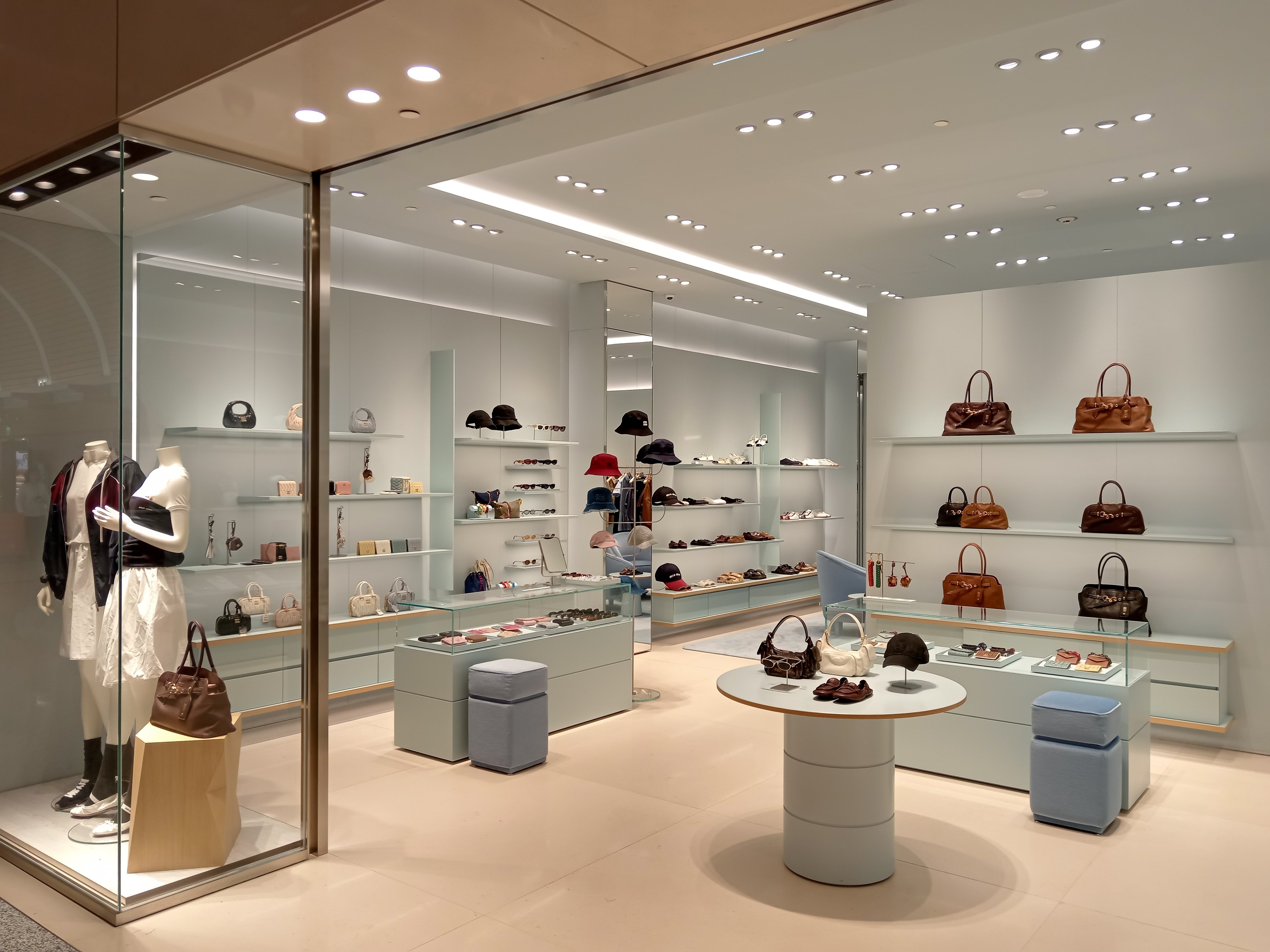
The luxury sector benefited from a powerful rebound after the pandemic. Consumers returned to travel, stores reopened, wealthy clients resumed social spending, and many brands used pricing power to lift revenues.
That phase has cooled. Emerging data shows that luxury industry growth is slowing overall, while also broadening in scope.
From post-pandemic acceleration to market normalization
McKinsey describes the luxury goods industry as facing a significant slowdown, with value creation under pressure for the first time in years outside exceptional crisis periods. The issue is not simply weaker demand, but a question of whether consumers still feel that luxury prices are justified by quality, creativity, and service.
This is an important distinction.
A market slowdown does not mean luxury has lost relevance. It means luxury businesses must work harder to earn attention, loyalty, and price premiums. The easy growth created by post-pandemic release, tourism rebounds, and aggressive price increases is giving way to a more disciplined market.
What this means for luxury businesses:
Luxury brands need to prove value through craft, service, experience, and emotional connection. Scarcity still matters, but scarcity without meaning is no longer enough.
Luxury is bigger than personal luxury goods
Many market conversations still treat luxury as a synonym for fashion, leather goods, watches, jewelry, and beauty. These categories remain central, but they are only part of the picture.
Luxury now spans a much wider ecosystem:
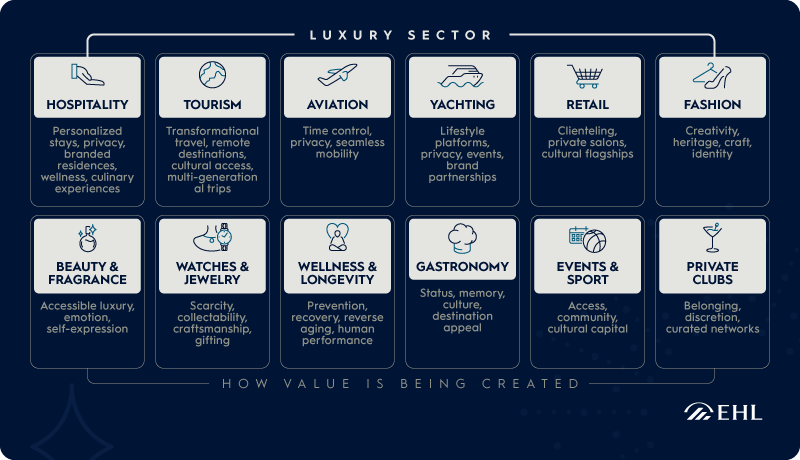
This broader view matters because luxury consumers do not organize their lives by industry category. They organize around aspiration, identity, time, access, and experience.
A client considering a high-jewelry purchase may also be investing in wellness travel, a private club membership, an art fair itinerary, or a branded residence. For luxury businesses, the competitive set is expanding.
What this means for luxury businesses:
Luxury brands need to understand share of lifestyle, not only share of wallet. The next growth opportunity may come from partnerships, services, hospitality moments, and experiences that extend the brand beyond the product.

Luxury Spending Trends Are Moving Toward Experiences
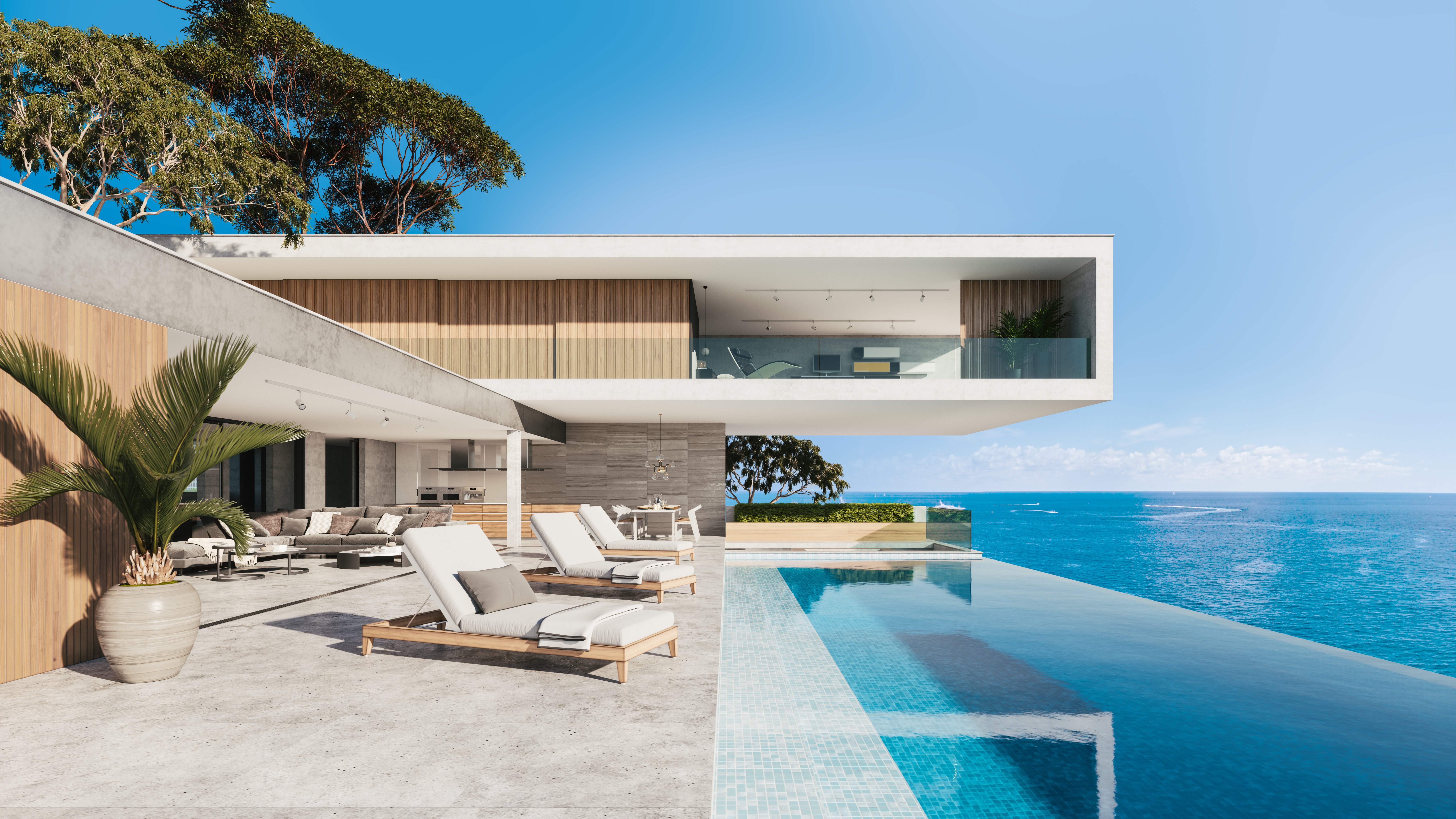
One of the clearest luxury spending trends is the rise of experiential luxury.
Affluent consumers are still buying products, but they are also spending heavily on travel, dining, wellness, culture, sport, entertainment, and exclusive access to experiences, communities, and events.
Why experiences are competing with products
A product can signal status, but an experience can create memory, identity, belonging, and transformation.
Bain and Altagamma point to a market where experiences play a larger role in the overall luxury economy due to structural consumer shifts that are reshaping luxury demand. This shift is not only about younger consumers, although generational change is part of the story. It is also about how wealthy consumers define value.
That explains the appeal of:
- A private villa stay with a dedicated culinary team
- A longevity retreat with medical-grade diagnostics
- A backstage cultural experience
- A private viewing at an art fair
- A members-only dining club
- A yacht-based brand event
- A Formula 1 hospitality weekend
- A bespoke family travel itinerary
These experiences are difficult to replicate as they create emotional value that can last longer than the purchase moment.
What this means for luxury businesses:
The product is increasingly only one part of the luxury proposition. Brands need to design the world around the product: the welcome, the service, the setting, the story, the relationship, and the aftercare.
Hospitality principles are influencing the wider luxury sector
As luxury becomes more experiential, hospitality thinking becomes more valuable.
Hospitality is not limited to hotels and restaurants. It is a discipline of anticipation, emotional intelligence, service design, and memory creation.
This matters across luxury sectors.
A jewelry boutique needs the choreography of a private salon. A fashion flagship needs the warmth of a cultural embassy. A wellness clinic needs the trust of high-touch hospitality. A private aviation company needs seamless service recovery. A luxury car brand needs to think about the full ownership journey, not only the handover moment.
The best luxury service often feels effortless, but it is highly designed. It depends on training, rituals, data, standards, empowerment, and human judgment.
What this means for luxury businesses:
Hospitality is becoming a strategic capability for luxury brands. Service excellence, personalization, and emotional intelligence are no longer “soft” differentiators. They are commercial advantages.
Luxury Consumer Trends: A More Fragmented Affluent Audience

The aspirational consumer is under pressure
For many years, luxury brands benefited from aspirational consumers entering the market through beauty, fragrance, small leather goods, entry-level accessories, and accessible ready-to-wear.
That recruitment engine is under pressure.
Prices have risen. Younger consumers are more selective. Some buyers are questioning whether the quality and creativity of certain products justify their premiums. Bain’s 2025 outlook noted that the personal luxury goods market was forecast to decline slightly in 2025, even as the broader luxury market remained resilient.
This creates a delicate challenge.
Luxury brands cannot simply chase volume without damaging exclusivity. But they also cannot ignore the next generation of clients. If entry points disappear, brands risk weakening long-term loyalty.
What this means for luxury businesses:
Luxury brands need a smarter client ladder. Entry products, services, digital touchpoints, events, and hospitality moments should introduce the brand without diluting it.
High-spending clients are more important than ever
At the top end of the market, wealthy clients remain highly influential.
McKinsey and Business of Fashion report that top-spending luxury clients are expected to drive a disproportionate share of market growth through 2027. This makes relationship depth more important than broad-reach marketing.
High-spending clients expect more than recognition. They expect memory, discretion, relevance, and access.
They want teams who understand:
- Their preferences
- Their family context
- Their travel patterns
- Their privacy expectations
- Their cultural interests
- Their service style
- Their timing
- Their definition of value
This does not mean luxury businesses should become intrusive. Quite the opposite. The best clienteling feels invisible. It uses information to create ease, not pressure.
What this means for luxury businesses:
Luxury growth increasingly depends on relationship intelligence. Brands need to invest in client advisors, service training, CRM discipline, and private experiences that deepen trust over time.
Younger affluent consumers are redefining status
Younger luxury consumers are not rejecting status. They are changing its codes.
For many, status is less about visible logos and more about taste, access, individuality, values, wellness, culture, and insider knowledge. A rare vintage piece, a discreet hotel, a chef-led experience, or a private wellness membership can carry as much symbolic value as a new handbag.
This helps explain the growth of resale, vintage, archival fashion, and collectible objects. These categories allow consumers to express personal taste rather than simply follow a brand’s current campaign.
It also explains why luxury marketing has become more culturally complex. Brands need to participate in art, music, sport, gastronomy, design, and social communities without looking opportunistic.
What this means for luxury businesses:
Luxury brands need to move from visibility to relevance. The question is not only “Will people recognize this?” but “Will the right people feel this has meaning?”
Luxury Travel Trends: The Experience Economy In Motion

Luxury travel is where many of today’s biggest luxury shifts become visible first. As affluent consumers place more value on time, privacy, wellbeing, family connection, and meaningful access, hospitality and mobility brands are being pushed to design experiences that feel both highly personal and effortlessly orchestrated. From private villas to longevity retreats, the future of luxury is increasingly being shaped by how people move, rest, recover, and connect.
Luxury hospitality as a growth laboratory
Luxury hospitality is one of the clearest places to observe the future of luxury.
Hotels, resorts, private villas, branded residences, and wellness destinations are no longer selling rooms. They are selling time, privacy, care, identity, and transformation.
Deloitte’s 2026 luxury outlook found that travel and hospitality stood out as the segment with the highest growth potential among executives surveyed, ahead of other luxury categories.
This makes hospitality a growth laboratory for the wider luxury market.
The most successful luxury hospitality concepts often combine:
- Architectural distinctiveness
- Local cultural depth
- Culinary credibility
- Wellness and recovery
- Privacy and security
- Family-friendly flexibility
- Seamless digital support
- Human warmth
- Operational precision
Guests increasingly expect stays that adapt to them. That may mean flexible arrival rituals, dietary personalization, private experiences, sleep support, children’s programming, or curated access to local culture.
What this means for luxury businesses:
Luxury hospitality shows where the market is going: toward personalization, emotional memory, cultural context, and high-touch service. Other luxury sectors can learn from this playbook.
Private aviation, yachting and ultra-personalized mobility
For wealthy consumers, mobility is not only transportation. It is control.
Private aviation, yacht charters, helicopter transfers, chauffeured mobility, and seamless airport services are all part of the luxury experience architecture. They protect time, privacy, comfort, and continuity.
Yachting is a particularly strong example. A yacht can be a floating hotel, private club, wellness space, event venue, and family retreat. It can also become a platform for brand experiences that combine fashion, beauty, gastronomy, sport, and destination marketing.
This is why luxury mobility often sits at the intersection of hospitality, logistics, security, and lifestyle design.
What this means for luxury businesses:
Luxury travel brands should not treat mobility as a separate service. The journey is part of the experience. Every transfer, arrival, and transition can either reinforce or weaken the brand promise.
The rise of wellness, longevity and recovery
Wellness has moved from spa menu to strategic growth pillar.
Affluent consumers are increasingly interested in sleep, nutrition, diagnostics, recovery, mental performance, preventive health, and longevity. The luxury wellness market is shifting from pampering to measurable wellbeing.
This creates opportunities for hotels, resorts, clinics, private clubs, fitness brands, nutrition experts, and real estate developers. It also raises the bar. Consumers will expect credible expertise, not vague wellness language.
Luxury wellness concepts now need to balance:
- Medical credibility
- Hospitality warmth
- Data privacy
- Personalization
- Comfort
- Emotional reassurance
- Long-term habit formation
What this means for luxury businesses:
Wellness should not be treated as an amenity. It is becoming a core expression of modern luxury: helping clients feel better, live better, and perform better.
Luxury Retail Trends: From Storefronts To Relationship Spaces
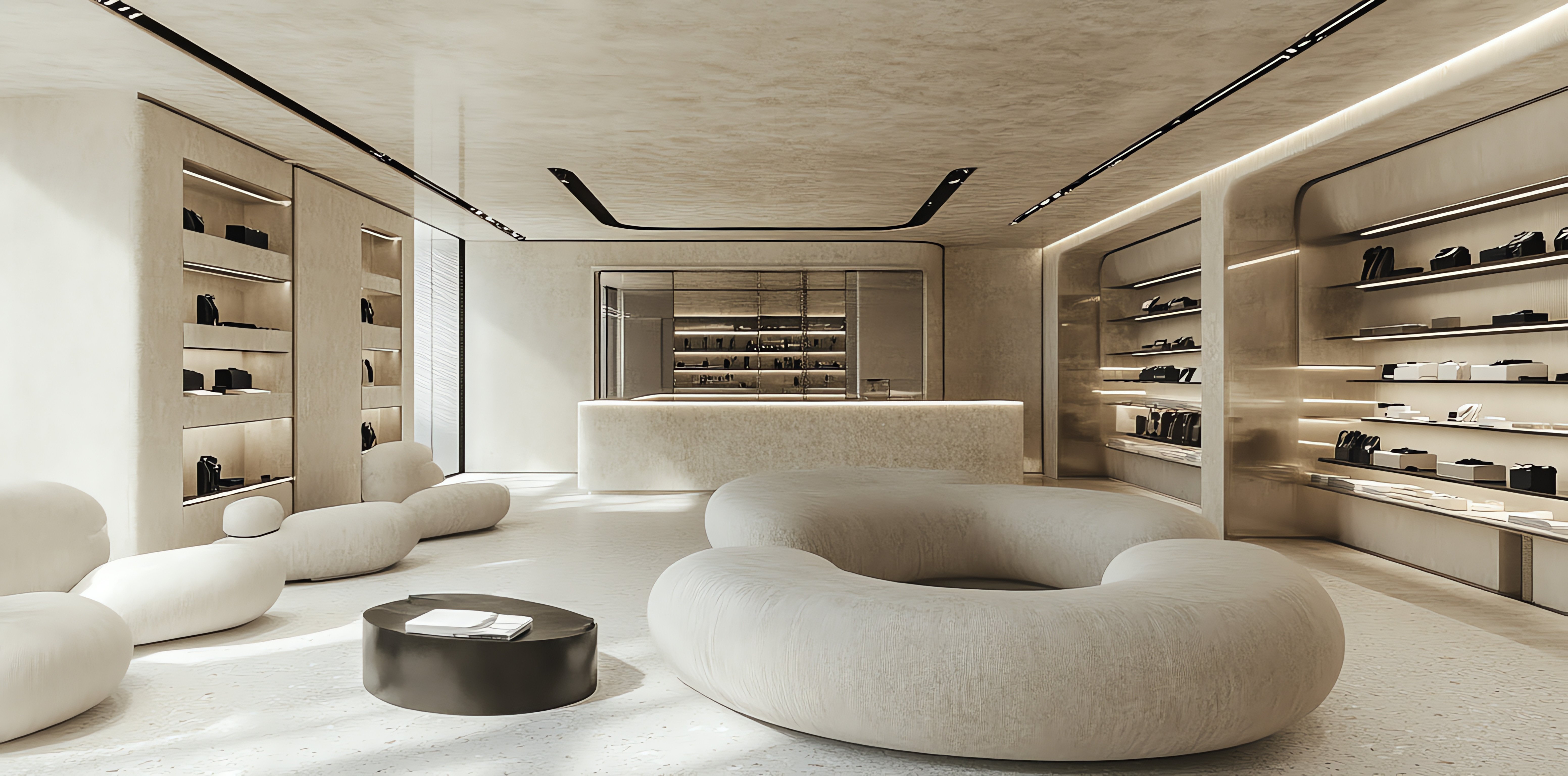
Luxury retail is moving beyond the logic of display and transaction. As consumers become more selective, stores need to offer something richer than product access alone: atmosphere, expertise, memory, service, and a sense of belonging. The most successful luxury retailers are turning physical spaces into relationship environments, where clients can discover the brand, feel recognized, and build a deeper connection over time.
The Store as a brand embassy
The luxury store concept remains a place to buy, but it must now also host, educate, entertain, and deepen client relationships. The flagship is becoming a brand embassy: a physical expression of the world, values, and emotional promise behind the brand.
Recent openings show how quickly this idea is becoming concrete. Louis Vuitton’s “The Louis” in Shanghai, opened in June 2025, is a 30-meter-high, ship-shaped destination with retail floors, an exhibition space, and a café on Nanjing Road. The point is not only to sell products, but to make the store feel like a cultural visit.
Dior is moving in a similar direction. Its renovated New York flagship, reopened in 2025, includes the brand’s first permanent U.S. Dior Spa and a Dior Maison home boutique, turning the store into a broader lifestyle address rather than a single-category retail space.
In a more selective market, physical retail has to justify itself. Convenience alone is no longer enough, especially as digital sales grow, city centers become harder to navigate, and extreme weather makes shopping trips less automatic. The store must offer what digital cannot: atmosphere, human service, sensory richness, and emotional connection.
At its best, the luxury store becomes an oasis in the city: calm, immersive, and carefully composed. Like a private garden hidden from urban intensity, it gives clients a reason to pause, explore, and feel looked after.
What this means for luxury businesses:
Luxury retail spaces need to perform three roles at once: transaction, theater, and relationship-building. The most successful stores will not simply display products; they will create a world clients want to enter, remember, and return to.
Clienteling and data-enabled personalization
Luxury personalization has always depended on memory. Today, it also depends on data.
CRM systems, digital clienteling tools, AI-assisted recommendations, and integrated service records can help teams understand clients better. LVMH, for example, describes client development as a way to equip sales associates and store managers with deeper insight into client preferences, supported by advanced analytics, AI, and clienteling tools.
The strongest uses of technology are often invisible. Recent reporting on AI in luxury retail points to tools such as AI-generated customer profiles, smarter CRM systems, and store technologies that help teams personalize service without disrupting the human encounter.
But luxury businesses must be careful. Personalization that feels automated, excessive, or invasive can damage trust.
The highest standard is not “we know everything about you.” It is “we remembered what matters, and we used it with discretion.”
What this means for luxury businesses:
Data is valuable only when it improves the human experience. Luxury brands should use technology to enhance anticipation, not replace intuition.
Resale, vintage and the new meaning of exclusivity
Resale is no longer a fringe behavior. It is part of the luxury conversation.
BCG and Vestiaire Collective estimate that the global secondhand fashion and luxury market is growing around 10% annually and could reach up to $360 billion by 2030. Their 2025 research also found that resale already represents a meaningful share of surveyed wardrobes, especially in handbags.
For some consumers, vintage and pre-owned pieces offer individuality, access to discontinued designs, and a more personal relationship with style. For others, resale provides a lower-risk entry point into high-end categories.
This creates both opportunity and tension for brands.
On one hand, resale can strengthen archive value and product longevity. On the other hand, unmanaged resale can result in quality issues, pricing inconsistencies, or overproduction.
Rolex shows one way brands can take more control. Its Certified Pre-Owned program authenticates secondhand watches through official retailers, with Rolex verifying the watch and providing a two-year international guarantee.
What this means for luxury businesses:
Resale should not be dismissed as a threat. Managed carefully, it can become a brand equity channel that reinforces durability, heritage, and scarcity.
Luxury Goods Market Trends: Craft, Scarcity And Value Scrutiny

Luxury goods are entering a more demanding phase. Consumers are still drawn to craft, heritage, and rarity, but they are also looking more closely at value, quality, and long-term meaning. In this environment, the strongest categories are those that can defend their price through scarcity, expertise, emotional significance, and lasting cultural relevance.
Watches and jewelry remain resilient status categories
Watches and jewelry continue to hold strong appeal, especially among high-spending clients.
These categories combine craftsmanship, emotion, gifting, scarcity, and collectability. They also benefit from a clearer sense of intrinsic value than some fashion categories, particularly when precious metals, stones, and mechanical complexity are involved.
Recent Reuters reporting noted that Rolex raised gold watch prices for a second time in 2026, with wealthy buyers remaining resilient despite broader luxury softness. The increase followed another rise in January and reflected sustained demand for scarce, high-end models.
That resilience does not mean every watch or jewelry brand can raise prices without consequence. It means the strongest brands can still command premiums when scarcity, trust, and desirability are aligned.
What this means for luxury businesses:
Scarcity works best when it is supported by craft, discipline, and credibility. Artificial scarcity without emotional or material value is easier for consumers to challenge.
Fashion and leather goods face value pressure
Fashion and leather goods remain essential to the luxury market, but they face sharper scrutiny.
The wider personal luxury goods market stabilized but remained under pressure in 2025. Bain and Altagamma forecast personal luxury goods sales of €358 billion for 2025, a mild decline from €364 billion in 2024.
Part of the pressure comes from price fatigue. McKinsey’s 2025 luxury analysis noted that price increases accounted for more than 80% of market growth from 2019 to 2023, but that this lever has now reached a ceiling for many aspirational consumers.
The result is a more questioning consumer.
A handbag is no longer desirable simply because it is expensive. The consumer wants to understand why it is expensive: the design, the leather, the making, the heritage, the service, the rarity, and the cultural relevance.
What this means for luxury businesses:
Luxury fashion brands need to rebuild desire through creativity, product excellence, and storytelling. Pricing power must be earned, not assumed.
Beauty, fragrance and accessible luxury
Beauty and fragrance play a special role in luxury.
They offer a more accessible entry point into prestigious brands while still carrying emotional power. A fragrance can be deeply personal. A lipstick or skincare product can create daily connection. Beauty also allows younger consumers to participate in luxury without making a major financial commitment.
The category remains resilient. Circana reported that U.S. prestige fragrance grew 5% in dollars in 2025, while mass fragrance grew 15%, making it one of beauty’s strongest accessible luxury categories.
Brands are also turning fragrance and beauty into experience-led recruitment tools. Dior’s recent restaurant opening in St. Tropez and spa expansions show how beauty, wellness, dining, and retail can sit within one lifestyle ecosystem, giving clients more ways to enter the brand world.
The risk is over-distribution.
If beauty becomes too available, too promotional, or too detached from the brand’s core codes, it can weaken the aura of luxury. The most successful luxury beauty brands balance access with aspiration.
What this means for luxury businesses:
Accessible luxury can recruit future clients, but it must be managed carefully. Entry points should feel generous, not mass-market.
Regional Luxury Market Outlook
Luxury growth is becoming more geographically uneven. While global demand remains significant, each region faces a different mix of opportunities and pressures, from tourism flows and local spending power to cultural relevance, pricing, and regulatory expectations. For luxury businesses, the next phase of growth will depend less on applying one global playbook and more on understanding how luxury is evolving market by market.
Europe: heritage strength, tourism dependence and local pressure
Europe remains central to global luxury because of its heritage, craftsmanship, fashion capitals, cultural institutions, and tourism flows.
Paris, Milan, London, Geneva, Florence, and other European cities continue to shape luxury imagination. But Europe also faces pressure from high operating costs, tourism volatility, changing tax dynamics, and competition from newer luxury hubs.
For European luxury businesses, heritage is an advantage only if it remains alive. Museums, archives, craftsmanship, and historic maisons need to be translated into experiences that feel relevant to global clients.
What this means for luxury businesses:
European luxury brands must protect heritage while modernizing service, retail, hospitality, and digital engagement.
The United States: resilient wealth, selective spending
The United States remains one of the most important luxury markets because of its concentration of wealth, entrepreneurial culture, and strong domestic consumption.
Yet even in resilient markets, spending is becoming more selective. Affluent consumers may still have purchasing power, but they are comparing categories more carefully. A luxury purchase competes with travel, property, wellness, education, events, and investment in lifestyle.
This makes segmentation essential. Income level alone is not enough. Brands need to understand lifestyle, geography, values, family structure, and occasion.
What this means for luxury businesses:
In mature markets, growth depends on deeper client understanding rather than broad assumptions about affluence.
China and Asia: recalibration, not disappearance
China remains vital to the future of luxury, even as the market has become more complex.
Consumer sentiment, property-market pressures, youth unemployment concerns, and shifting travel patterns have affected luxury demand. China’s personal luxury goods market contracted in 2025 after a sharper decline in 2024, while also showing signs of stabilization and a possible modest rebound in 2026.
But the long-term importance of Chinese luxury consumers remains clear. The real shift is not disappearance. It is recalibration.
Luxury brands also need to look beyond mainland China alone. Chinese luxury spending increasingly takes shape across a regional network of destinations, digital channels, and cultural influence points. South Korea is a particularly important example. Seoul’s luxury retail, beauty, fashion, hospitality, and duty-free ecosystem has long attracted Chinese shoppers, while Korean cultural influence continues to shape taste, aspiration, and discovery across Asia.
Yet here too, the picture is changing. Korea’s duty-free sector has faced pressure despite the recovery of inbound tourism, with foreign tourists shifting away from traditional duty-free luxury shopping toward more trend-led, local, and experience-driven retail. This matters because Chinese consumers are not simply buying luxury abroad in the same way they did a decade ago. They are comparing prices, experiences, cultural relevance, service quality, and brand meaning across markets.
For luxury businesses, this means treating China not as a single market, but as part of a wider Asian luxury landscape. Mainland China, Hong Kong, Macau, South Korea, Japan, Singapore, and Southeast Asian travel hubs each play a different role in how Chinese consumers discover, evaluate, and experience luxury.
What this means for luxury businesses:
Luxury brands need patience, localization, and regional intelligence. China should not be treated as a short-term growth lever, and South Korea should not be viewed only as a tourist shopping destination. Both are part of a more complex luxury journey shaped by travel, culture, hospitality, entertainment, and digital influence.
Middle East and India: growth, hospitality and experience demand
Deloitte identifies China, Japan, the Middle East, and India as influential growth engines for 2026, shaped by domestic demand, tourism, retail investment, and expanding affluent populations.
The Middle East is especially important for luxury hospitality, retail, aviation, real estate, events, and wellness. High service expectations, family travel, privacy, and hospitality culture create strong demand for elevated experiences.
India is also drawing increased attention as wealth creation, luxury awareness, and domestic premium consumption expand. Recent Reuters reporting on BMW’s MINI described India as a high-potential emerging market, supported by rising affluence and growing awareness of global luxury trends.
What this means for luxury businesses:
Growth markets require more than distribution. They require local understanding, service adaptation, family-aware experiences, and long-term brand building.
Industry Challenges Facing Luxury Businesses
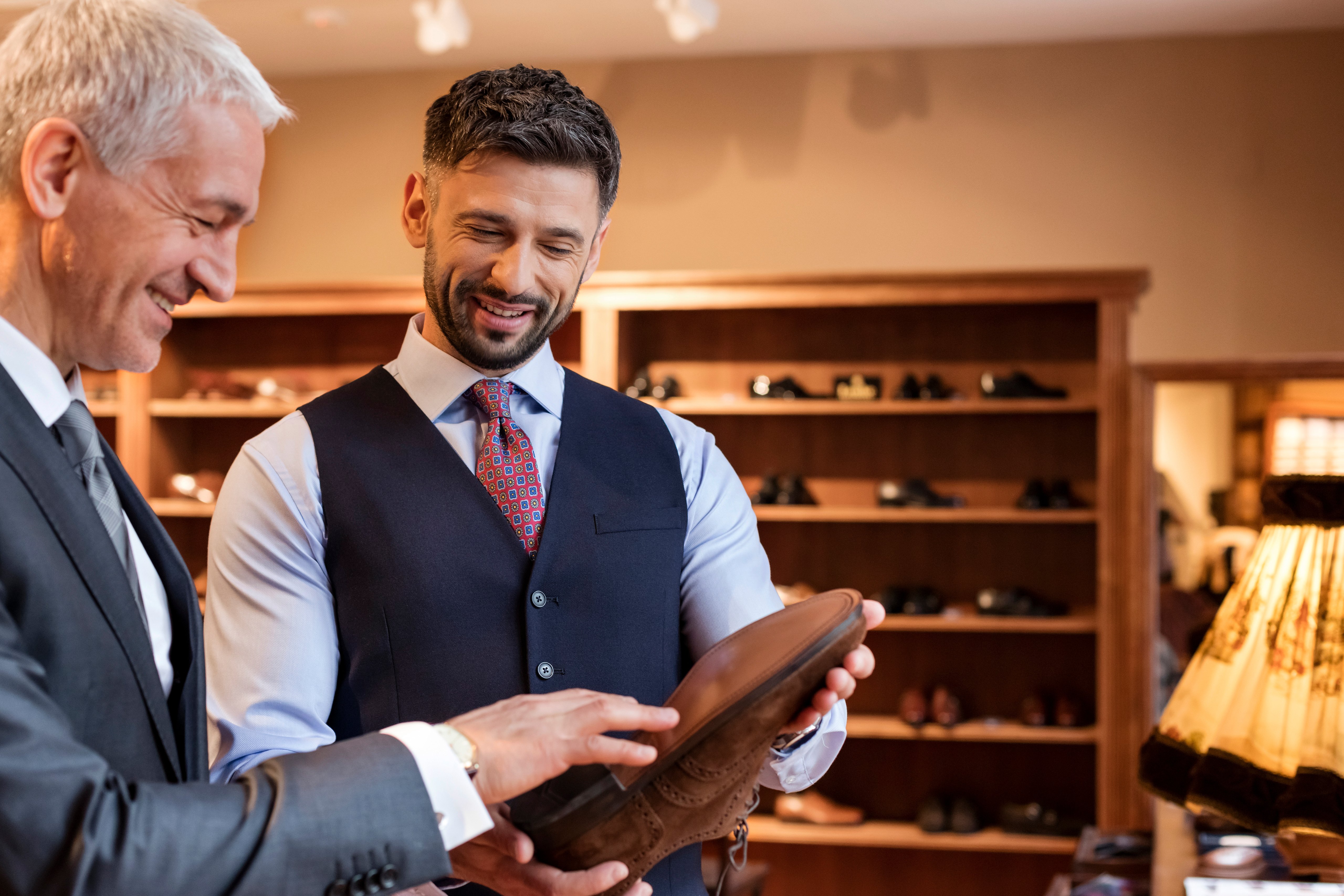
Luxury businesses are navigating a more cautious and critical market. After several years of price increases, consumers are paying closer attention to whether products, services, and experiences truly justify their cost. This creates pressure on brands to defend value not through prestige alone, but through quality, creativity, service, scarcity, and trust.
The price-value tension
Luxury prices have risen significantly across many categories. For a time, consumers accepted this because demand was strong, supply was controlled, and brands had momentum.
That tolerance is weakening.
Consumers are more informed. They compare quality, resale performance, service, and brand behavior. They notice when prices rise faster than product improvement. They also notice when brands cut corners.
This is not anti-luxury sentiment. It is value scrutiny.
Luxury consumers do not necessarily want lower prices. They want the premium to make sense.
What this means for luxury businesses:
The premium must feel earned. Brands need to connect price to craft, rarity, service, creativity, and long-term value.
Talent, service, and operational excellence
Luxury depends on people.
A beautiful hotel, boutique, restaurant, yacht, or wellness retreat can fail if service feels cold, inconsistent, or poorly trained. Conversely, a thoughtful service recovery can strengthen loyalty after a problem.
This is one of the most underestimated luxury market trends: hospitality operational excellence is becoming brand equity.
Luxury businesses need teams who can read guests, adapt tone, manage complexity, protect privacy, and recover gracefully when something goes wrong. That requires training, culture, leadership, and empowerment.
What this means for luxury businesses:
Luxury growth is a people challenge. Brands that invest in service capability will be better positioned than brands that focus only on product and marketing.
Technology without losing the human touch
Technology is entering luxury at every level: CRM, AI, inventory, personalization, virtual appointments, digital payments, service automation, predictive operations, and content creation.
The opportunity is clear. Technology can reduce friction and improve relevance.
The risk is also clear. Poorly used technology can make luxury feel generic, automated, or invasive.
Luxury brands need to ask a simple question before adopting new tools: does this make the client feel more understood, more comfortable, more inspired, or more in control?
If not, it may be efficiency disguised as innovation.
What this means for luxury businesses:
The future is not digital versus human. It is digitally enabled, human-led luxury.
Sustainability, traceability and responsible luxury
Luxury faces growing expectations around sustainability, sourcing, circularity, and social responsibility.
This is especially important because luxury often sells objects and experiences with high symbolic value. Consumers may expect these brands to show leadership in materials, repair, craft preservation, labor standards, and environmental responsibility.
But responsible luxury must be credible. Vague claims are not enough. Overly moralizing messages can also feel disconnected from the pleasure, beauty, and aspiration that make luxury compelling.
The strongest approach is specific and operational:
- Traceable materials
- Repair and restoration services
- Responsible sourcing
- Circular design
- Reduced waste
- Craft preservation
- Transparent supplier standards
- Local community contribution
What this means for luxury businesses:
Responsible luxury should be built into the business model, not added as a campaign.
Future Luxury Market Trends to Watch
The next phase of luxury will be shaped by access, community, and continuity. Consumers are not only looking for products or one-off experiences; they are seeking closer relationships with brands, curated networks, and ongoing privileges that feel personal and hard to replicate. This is pushing luxury businesses to think beyond the sale and design models built around membership, belonging, and long-term engagement.
Luxury as a membership economy
Access is becoming one of luxury’s strongest currencies.
Private clubs, invitation-only events, members’ lounges, owner communities, and client circles are growing because they offer belonging, privacy, and curation. In a noisy digital world, controlled access feels valuable.
This trend extends beyond hospitality. Fashion houses, watchmakers, car brands, wellness companies, and real estate developers can all build community models around shared values and high-touch experiences.
But luxury brands need to be precise about the difference between curation and exclusion.
A community can feel selective without becoming alienating. It can offer privacy without reinforcing social bias. It can create belonging without making other clients feel lesser, overlooked, or unwelcome. This matters because “exclusive” environments can easily reproduce old hierarchies around race, class, gender, age, nationality, body type, or perceived spending power.
The strongest luxury communities are not built on who they keep out. They are built on the quality of the experience, the relevance of the access, and the emotional intelligence of the service.
Business implication:
Luxury brands should think carefully about what kind of community they are creating, who belongs, who feels invited, and what members can access that others cannot. Exclusivity should signal discernment and care, not discrimination or social closure.
Luxury hospitality brands moving into lifestyle ecosystems
Luxury hospitality brands are expanding into residences, yachts, wellness clubs, retail collaborations, culinary concepts, and branded experiences.
This reflects a larger shift: the most powerful brands are not only selling products or rooms. They are shaping lifestyles.
A hotel brand can become a home. A fashion brand can become a restaurant. A wellness retreat can become a daily health platform. A private club can become a business network, cultural calendar, and social identity.
Business implication:
Luxury brands need ecosystem thinking. The strongest brands will create coherent worlds, not isolated touchpoints.
Longevity and human performance
Longevity is likely to become one of the defining luxury categories of the next decade.
For wealthy consumers, health is increasingly viewed as the ultimate asset. This creates demand for preventive diagnostics, recovery programs, sleep science, nutrition, mental performance, and medical hospitality.
The challenge is trust. Luxury brands entering this space must avoid superficial wellness language and partner with credible experts.
Business implication:
Longevity requires a higher standard of evidence, privacy, and care than traditional wellness.
Cultural capital as the new status signal
Luxury consumers increasingly use culture to signal taste.
Art fairs, design weeks, film festivals, gastronomy, music, sport and private cultural access all function as luxury spaces. They offer visibility, community, and insider status.
This creates opportunities for luxury brands to move beyond advertising into cultural participation. But the participation must feel authentic. Consumers can quickly sense when a brand is borrowing cultural credibility without contributing to it.
Business implication:
Luxury brands need a cultural enhancement strategy, not just a sponsorship growth strategy.
AI-enabled, human-led luxury
AI will reshape luxury operations, but the winning model will not be fully automated luxury.
Instead, the most valuable applications will require an innovative approach led by luxury service professionals, which translates behind the scenes:
- Preparing client advisors before appointments
- Predicting service needs
- Supporting inventory visibility
- Personalizing itineraries
- Improving service recovery
- Translating preferences across properties or markets
- Reducing operational friction
The client should feel the benefit without feeling processed.
Business implication:
The next luxury advantage will come from combining intelligence, taste, and care.
Executive Takeaways: What Luxury Businesses Should Do Next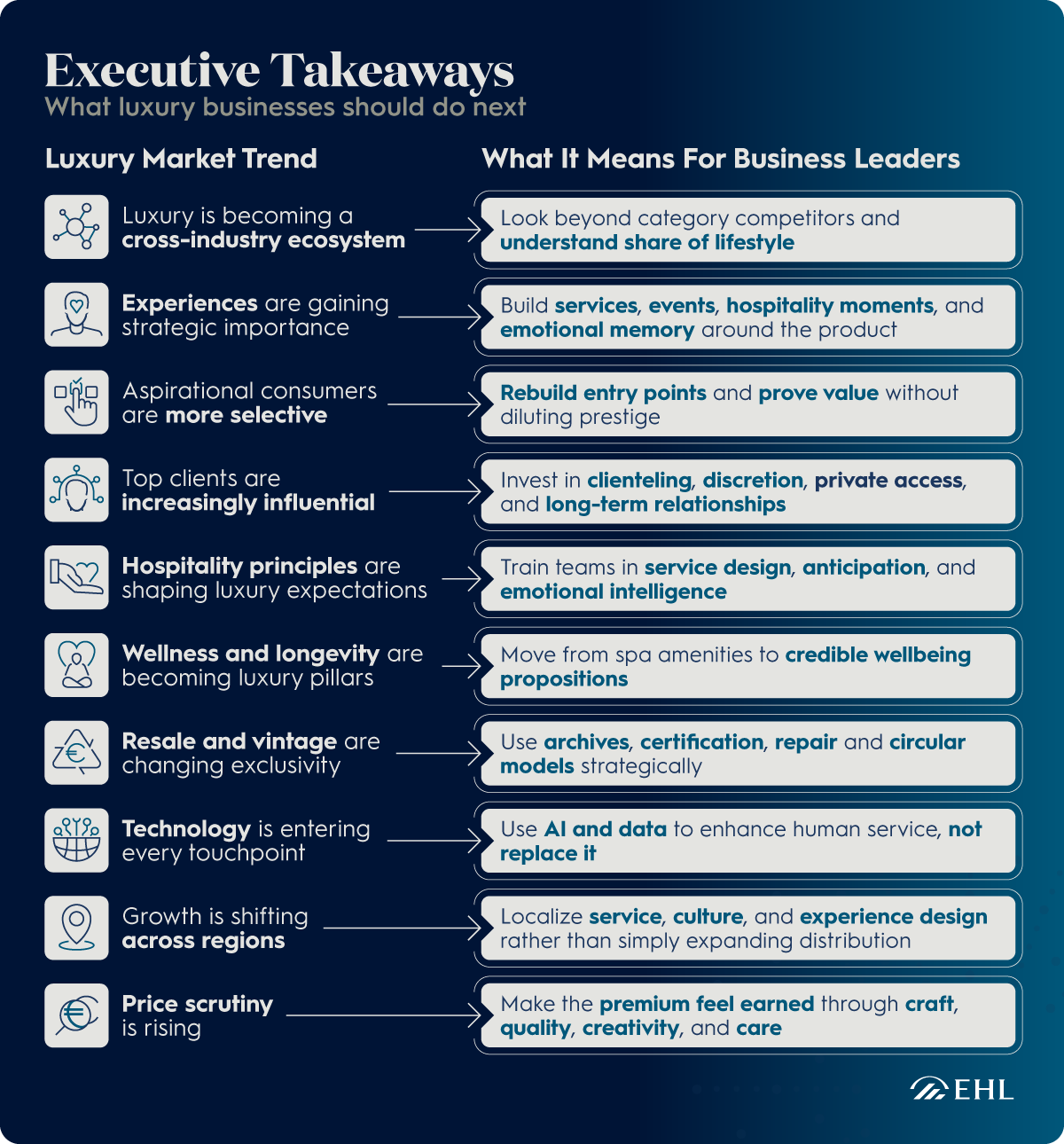
Conclusion: The Future of Luxury Is Experience-Led
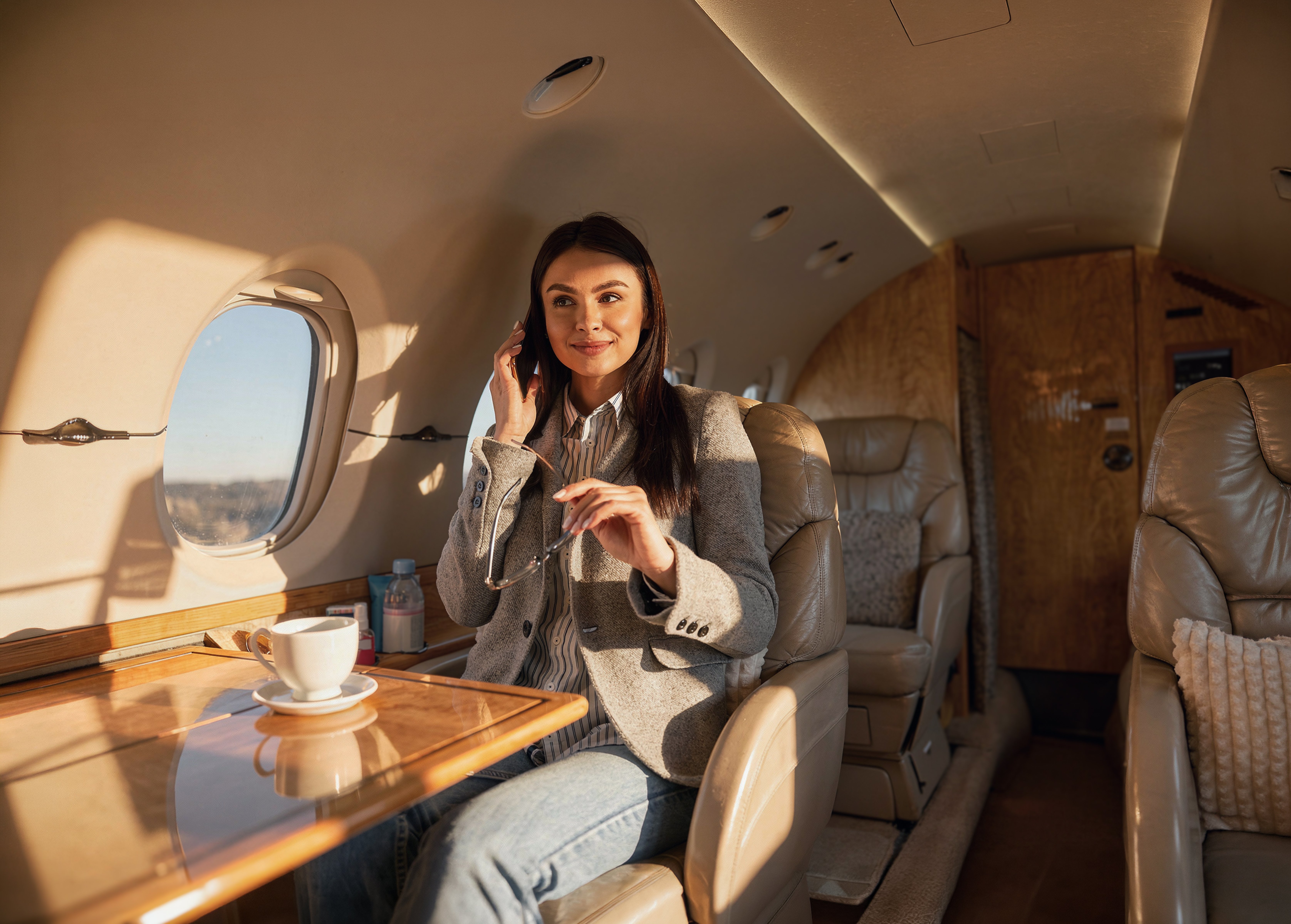
The latest luxury market trends do not point to a simple story of decline or acceleration. They point to a market becoming more mature, selective, and experience-driven.
Luxury consumers still value beauty, rarity, and craft. But they are also looking for time, privacy, wellness, access, belonging, and meaning.
For luxury businesses, this is both a challenge and an invitation. The next era of luxury will reward brands that can connect product excellence with human experience. It will favor companies that understand service as strategy, culture as value, and personalization as a disciplined craft.
In the future of luxury, desirability will not be built by products alone. It will be built by the quality of the world surrounding them.