



Walk into a Bulgari hotel in Milan or grab a table at Gucci Osteria in Florence, and you’ll notice something right away: neither experience requires you to buy a physical product. There’s no traditional sales floor and you won’t find the latest seasonal collection on display. Instead, you're consuming the brand itself: its aesthetic, its, and expression of how a space should feel.
This is a calculated business move now commonplace amidst luxury outfits. As these brands get bigger and reach more people, the fashion paraphernalia that made them famous runs the risk of becoming way too common.
If there is one thing a luxury brand cannot afford, it’s looking ordinary. High-end hospitality gives them a way out of that trap. A restaurant or a hotel can be curated, priced, and managed in a way that keeps the brand feeling incredibly exclusive, even while the company grows behind the scenes.
The brands making big moves here are doing it because they have to. Their valuations are skyrocketing and the pressure to keep growing without losing their significance is heavier than ever.
Hospitality has become their best answer to that problem. In this article, we take a look at how this is playing out, what it means for the luxury brands leading the charge, and how hospitality operators can smarten up their partnerships to match.
Dilution of Modern Luxury
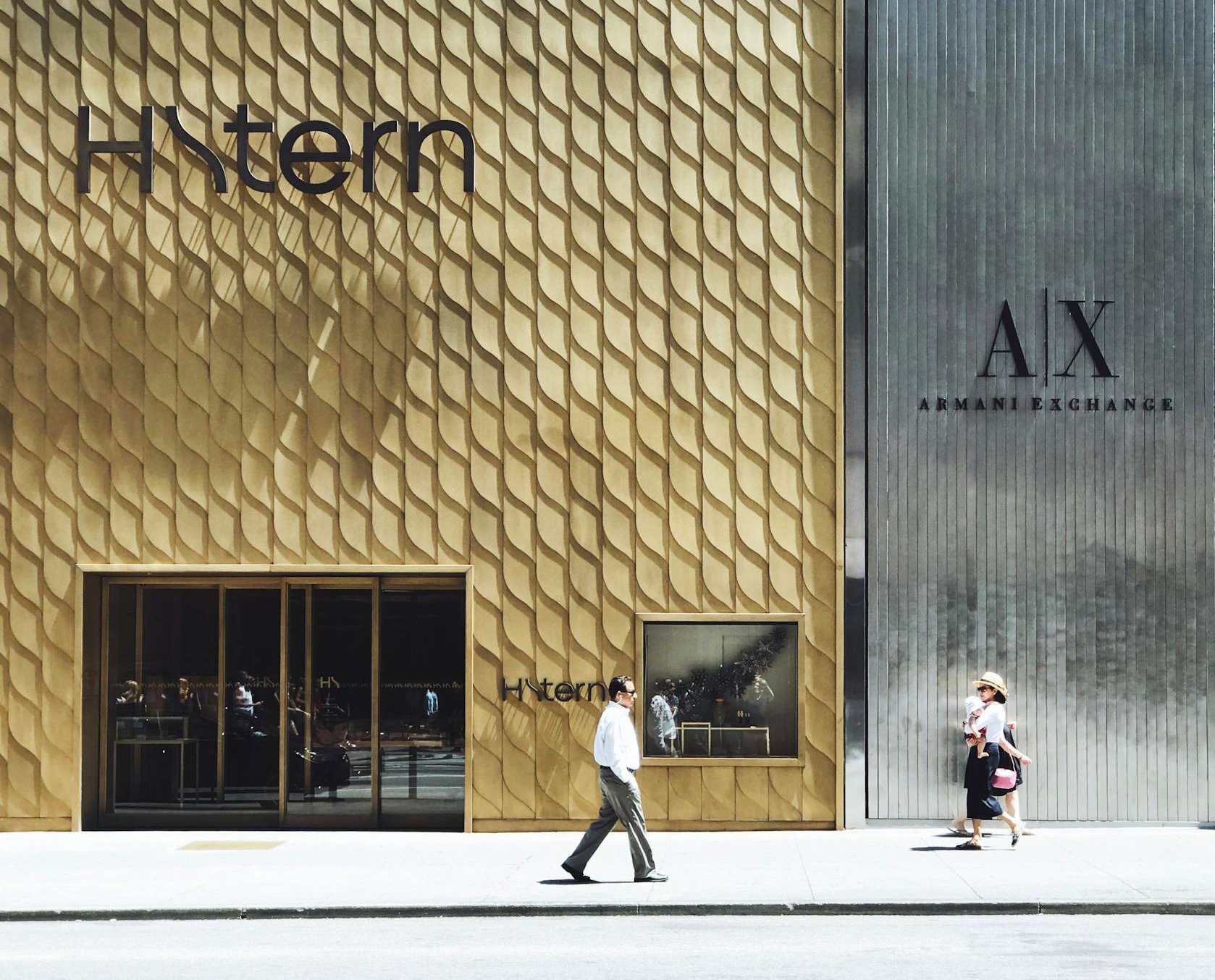
For generations, luxury brands stayed on top by sticking to a pretty straightforward playbook: make beautiful things, slap a massive price tag on them, and make sure they are incredibly hard to get.
But these days, how people spend their money has changed. Affluent buyers are shifting their focus away from just hoarding physical status symbols and are putting it toward unforgettable, high-end experiences instead. This leaves legacy brands stuck in a tough spot.
How do you keep growing your revenue and reaching new people without ruining the rarity that makes you special in the first place? To see just how massive these luxury businesses have become, look at the French fashion house Hermès. In early 2025, its market value climbed to around $250 billion.
To put that in perspective, that is more than double the $107 billion valuation of Nike: a massive, beloved brand, but one built on the idea that pretty much everyone has a Nike T-shirt or pair of sneakers in their closet. It is proof that luxury is reaching a wider audience than ever before.
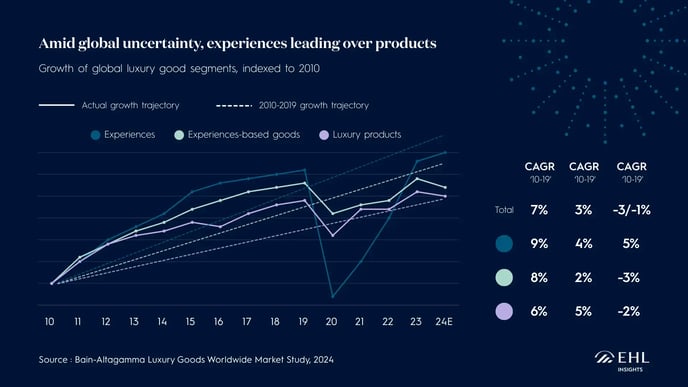
Two big economic trends are driving this rapid growth:
- A Much Younger Crowd: The people buying luxury goods are getting younger by the minute. By 2030, Gen Z and Gen Alpha are expected to make up a whopping one-third of all spending across the entire luxury market.
- The Lipstick Effect: Even when the economy hits a rough patch, people still want to treat themselves. They might hold off on buying a house, but they will still splurge on smaller luxury items like high-end cosmetics, watches, or designer fashion.
As The Economist put it: "When mortgages and pensions become unaffordable, people buy luxury goods instead."
The problem is, when a luxury logo is suddenly everywhere, it starts to lose its magic. If anyone can buy it, it’s not really a luxury anymore. To fix this, smart luxury brands are changing their strategy to focus heavily on personalization and tailored experiences.
By using hospitality to offer something completely unique and personal, luxury leaders can keep their competitive edge, protect their reputation, and build a tighter relationship with their customers than a product on a retail shelf ever could.
Exclusivity Can't Scale, But Experiences Can
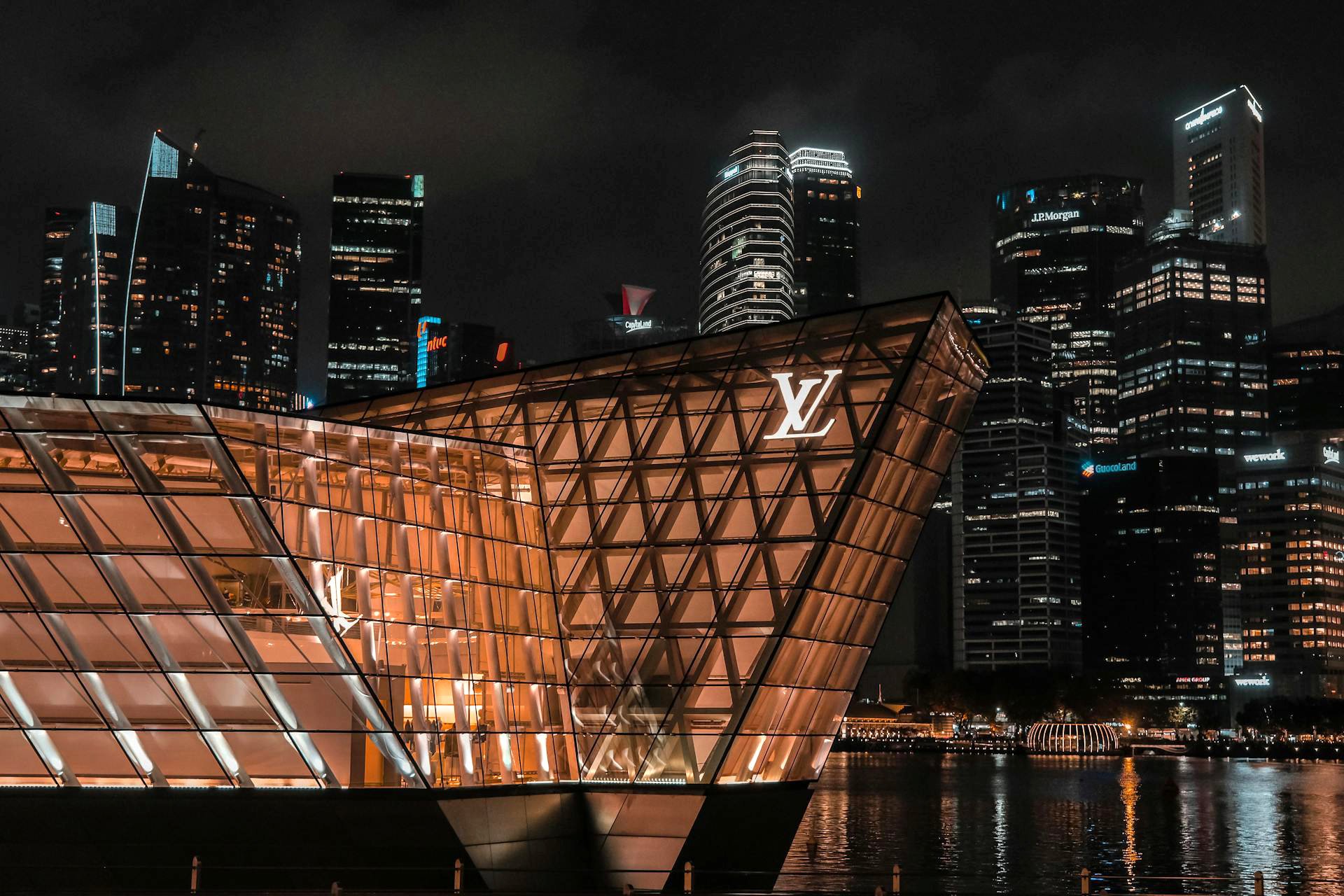
There's a ceiling to how far a product-led exclusivity strategy can stretch. Once a handbag or a pair of shoes reaches a certain level of market penetration, the exclusivity fizzles out. Luxury brands know this.
On the contrary. a hotel, a restaurant, or a private spa can be curated and priced at whatever level the brand requires. Availability can be controlled, the space can be designed from the ground up to reflect exactly what the brand wants people to feel. None of that is possible with a product sitting on a shelf in a department store.
It also opens the brand up in a different way. A Dior spa or a Porsche Experience Center isn't necessarily cheap, but it's a more attainable entry point than the flagship products. Someone who can't yet justify a $10,000 handbag might spend a weekend at a branded hotel or book a table at a brand restaurant.
They leave having spent real time inside the brand's world, which does more for long-term loyalty than a transaction ever could. This is why the biggest names in luxury are treating hospitality less like a lifestyle extension and more like a core part of how they build and protect their brands.
LVMH's acquisition of Belmond (a collection of luxury hotels, trains, and river cruises) wasn't a vanity move. It was a deliberate expansion of the group's ability to deliver immersive brand experiences at the highest level.
Architecture of Personalization: Notes from Hospitality
When you look closely at why this experiential move works so well, it all comes down to psychology. Modern luxury consumers aren't just looking for high-quality service anymore; they are looking for recognition.
To understand just how much this mindset dominates the market, look at a 2024 Forbes survey. It found that 81% of customers prefer brands that deliver personalized experiences.
On top of that, 70% highly value interactions where company employees actually recognize them and understand their history with the business, whether that means knowing their past purchases, their previous support conversations, or their overall buying habits.
This is exactly where the hospitality playbook comes in. Think about how a 5-star luxury hotel operates: the staff greets each guest by their name on arrival and leaves thoughtful, personal touches right in their room.
Today, luxury brand experiences have to become synonymous with that exact same level of personalized care.
Delivering these kinds of tailored moments addresses a psychological need in customers to feel recognized and relevant, which naturally boosts their engagement, strengthens their loyalty, and turns them into lifelong advocates for the brand.
By leveraging customer data, luxury brands can build these bespoke experiences from scratch, offering everything from tailored product recommendations to exclusive, invitation-only services. We are already seeing major luxury houses use emerging technology to bridge this gap:
- Gucci: Rolled out digital tools that let customers completely design and personalize their own sneakers.
- Burberry: Uses artificial intelligence to serve up highly personalized shopping recommendations to online buyers.
- Cartier: Developed hyper-realistic augmented reality (AR) technology so customers can try on incredibly expensive rings virtually before making a purchase decision.
Shifting to this experiential model also changes how brands think about profitability. In traditional retail, every square foot of a store is expected to turn a profit immediately.
But hospitality operates on a different timeline. In fact, some hospitality businesses willingly take a loss on certain high-touch services.
They do it because they know the offering is so exquisite it will completely delight their best customers. That upfront investment pays off massively down the road, driving huge profits from subsequent interactions and drastically lifting the customer's overall lifetime value.
Ultimately, hospitality acts as the ultimate collector of "zero-party data." A single dinner or a weekend hotel stay reveals more about a client's lifestyle, tastes, and preferences than online tracking cookies ever could.
What This Means for Business Leaders
The widespread adoption of values borrowed from hospitality isn't just a passing trend. Thankfully. It's what's expected; it's what the competition is doing. And as we've seen this play out in many industries: competition drives progress.
It doesn't mean that luxury brands can't survive without it. They sure can, but there's a difference between keeping the lights on and being adored by loyal customers. Here is exactly what this means for your strategy, depending on your seat at the table.
Luxury Brand Leaders: Think Like a Host, Not a Manufacturer
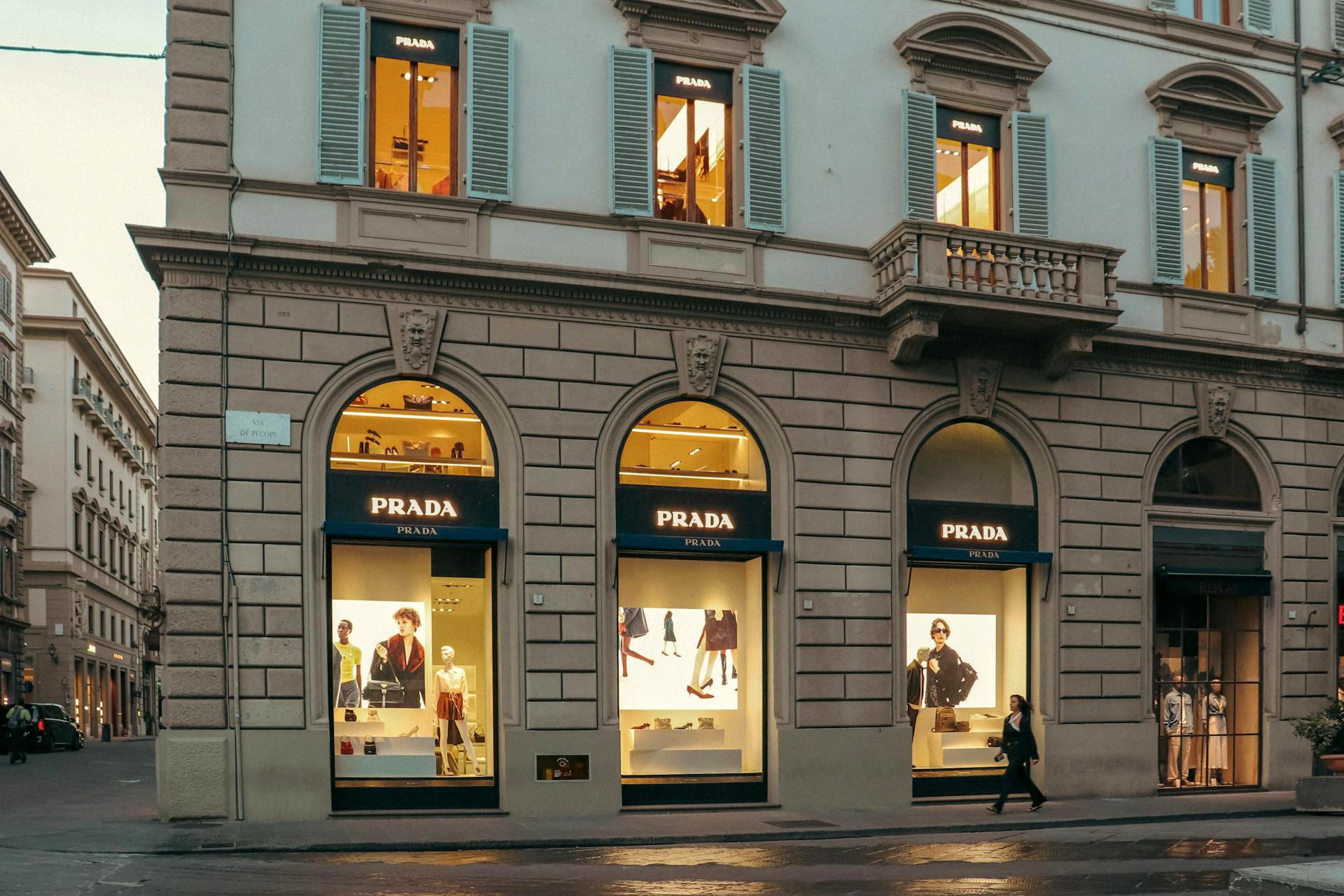
If you are running a luxury brand, avoid viewing hospitality as a licensing sideshow or a simple PR stunt. It is time to treat it as a core organizational capability.
Move past the boutique mindset. Your retail flagships shouldn't just be places where transactions happen. They need to look, feel, and operate like five-star luxury lounges.
Train for hospitality; traditional retail training focuses heavily on product knowledge and closing deals. You need to cross-train your front-line teams in hospitality standards, teaching them how to read a room, anticipate a guest's comfort, and handle high-touch pacing.
If a customer spends two hours in your space, the quality of the coffee and the warmth of the greeting matter just as much as the stitching on the leather.
Hospitality Operators: You're Managing Multi-Billion-Dollar Equity
For hotel management companies, chefs, and restaurant groups, partnering with a fashion house is an incredible opportunity—but it comes with massive operational pressure.
Operational perfection is non-negotiable. When you partner with a legendary brand, you are no longer just selling room nights or covers. You are managing the physical, real-world manifestation of a legacy brand's reputation.
A single bad service experience doesn't necessarily result in a bad Yelp review, but it does undermine the prestige of a brand that took a century to build. Hospitality operators must elevate their quality control to match the hyper-strict standards of a haute couture atelier.
Tech and CRM Strategists: Bridge the Boutique and the Dining Room
The ultimate value of this trend lies entirely in the data, but most companies are completely wasting it because their systems don't talk to each other.
Break down the data silos: True luxury personalization cannot happen if your retail point-of-sale system is completely disconnected from your restaurant's reservation software.
Create a unified guest profile: Your data architecture needs to ensure that when a top-tier client walks into your brand’s cafe or checks into your boutique suite, the host already knows their clothing size, their recent runway purchases, and their preferred drink before they even sit down.
Hospitality is the best way to collect high-value "zero-party data," but it only works if your backend is built to use it seamlessly in real time.
FAQs
Luxury experiences have become a major focus for brands across hospitality, travel, retail, and lifestyle sectors. Increasingly, consumers are placing greater value on memorable moments than on ownership alone.
As a result, businesses are investing heavily in personalization, service quality, and experiential offerings that create stronger emotional connections. These frequently asked questions explore how luxury experiences are defined and why they continue to shape consumer behavior.
What makes an experience feel luxurious?
Luxury experiences are often characterized by exceptional attention to detail, personalization, exclusivity, and outstanding service. While premium products or surroundings can contribute to the experience, luxury is frequently shaped by how well individual needs are understood and addressed.
Small details, thoughtful interactions, and seamless execution often leave lasting impressions. What feels luxurious can also vary between individuals, with some valuing privacy and convenience while others prioritize access, customization, or unique opportunities that are difficult to replicate elsewhere.
Why are consumers spending more on experiences than products?
Many consumers increasingly view experiences as more meaningful and memorable than material possessions. Experiences can create personal stories, emotional connections, and lasting memories that continue to provide value long after they occur.
Social and cultural shifts have also influenced purchasing behavior, particularly among younger consumers who often prioritize travel, dining, wellness, and unique activities. While luxury products remain important, experiences allow people to engage more deeply with brands and create a stronger sense of personal fulfillment.
How do brands create memorable luxury experiences?
Successful brands typically focus on understanding customer expectations and delivering consistent excellence across every interaction. This often involves personalization, attentive service, thoughtful design, and a clear understanding of what customers value most.
Memorable experiences are rarely created through a single feature or offering. Instead, they emerge from multiple elements working together seamlessly. Brands that consistently exceed expectations while maintaining authenticity are often better positioned to create experiences that customers remember and share with others.
Are luxury experiences only for wealthy consumers?
Although luxury experiences are often associated with affluent consumers, the concept extends beyond price alone. Many people seek elevated experiences in ways that align with their budgets and priorities.
Consumers may choose to spend more on a particular meal, weekend getaway, wellness treatment, or special event because they value the experience it provides. As a result, many brands now offer different tiers of luxury experiences that appeal to a broader audience while maintaining high standards of quality and service.
What industries benefit most from experiential luxury?
Experiential luxury influences a wide range of industries. Hospitality and travel are among the most obvious examples because they naturally revolve around customer experiences. However, sectors such as retail, automotive, wellness, entertainment, and financial services are also investing heavily in experiential strategies.
Businesses increasingly recognize that memorable experiences can strengthen customer relationships, encourage loyalty, and differentiate brands in competitive markets. As consumer expectations continue to evolve, experience-driven approaches are becoming increasingly important across numerous industries.
Closing Thoughts
The definition of what makes a brand "luxury" has always been slippery, but for most of the industry's history it came down to the object: the craftsmanship, the materials, the scarcity. What's shifting now is that the object alone isn't enough to hold the relationship together.


The prime example of luxury meets hospitality is AP House by Audemars Piguet on Zurich’s most popular shopping street
A hotel stay, a dinner, a personalized fitting: these are the moments that turn a customer into someone who genuinely identifies with a brand, and that kind of loyalty is a lot harder to poach than someone who just likes the product.
Hospitality gave luxury brands a way to grow without getting ordinary. The ones that treat it as a core capability rather than a nice addition to the portfolio are the ones best positioned for what the market looks like in 2030 and beyond.



.jpeg?width=403&height=266&name=luxury-retail%20(1).jpeg)