


At a Glance
-
Luxury watch brands have developed a customer experience model built around exclusivity, personalization, storytelling, and long-term relationship building.
-
The industry's approach turns purchasing into a highly curated experience rather than a simple transaction.
-
Five core pillars underpin this model: access control, clienteling, immersive environments, purchase rituals, and after-sales engagement.
-
Hotels, restaurants, and other experience-led businesses can adapt these principles to strengthen loyalty, differentiation, and customer lifetime value.
Walk into a Patek Philippe boutique on a Tuesday afternoon and you'll notice something most retail environments have trained out of themselves: there’s no hard sell.
There's no promotional signage, no rack of discounted straps, no sales associate trailing you with a pitch. It's quiet and serene, with seated areas and refreshments if you'd like any. Timepieces are displayed with tons of negative space around them, drawing your eye in with no visual distractions.
It's one of the most complete customer experience frameworks in luxury retail, and we see why it's setting benchmarks across other luxury sectors facing identical commercial pressures. These include high transaction values, infrequent purchases, and revenue dependent almost entirely on long-term relationship quality.
This article unpacks what the watch industry gets right, broken into the five pillars that hold its CX model together, and what hotels, F&B operators, and experience-led brands can realistically take from it.
Key Experience Pillars of Luxury Watch Retail
To understand why watch retail holds such a pull globally, we have to look past the physical timepieces themselves and focus on what goes on under the metaphorical caseback.
The following pillars work together seamlessly to elevate retail spaces into something more special; a sanctuary brand heritage, if you will. Just being welcomed there feels validating, triggering an emotional connection that people seek out time and again.
Exclusivity & Access Control (The Velvet Rope)
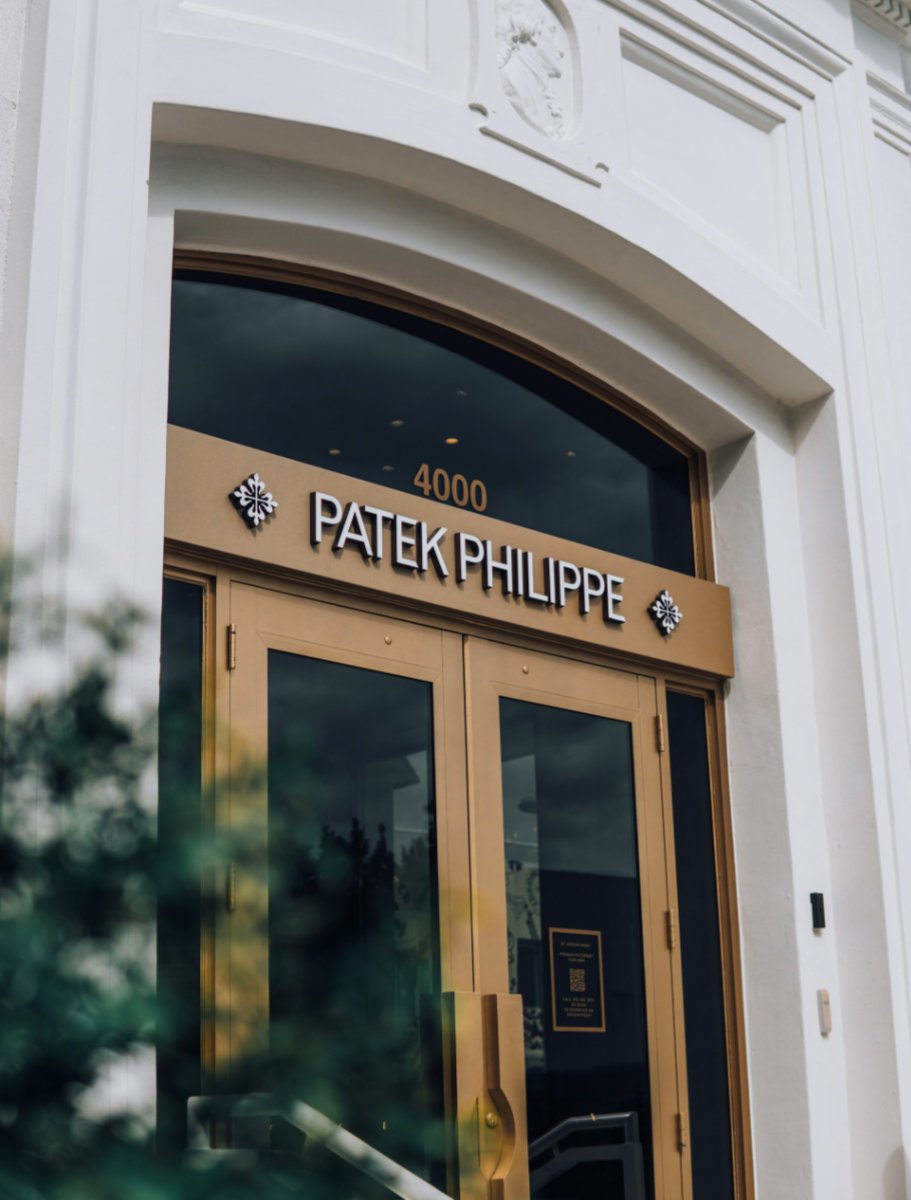
The journey into high-end watch retail almost always begins with a closed door. Unlike traditional department stores or premium retailers that rely on open, sprawling floor plans to pull in casual foot traffic, watch boutiques use physical and psychological barriers to filter intent. This is the velvet rope strategy in its purest form.
For instance, Hermès is famous for its strict purchase history requirement. Customers are required to build a profile and spend thousands before you're allocated the chance to buy a Birkin bag.
Many respected brands operate on a strict appointment-only model; Ferrari and Rolls Royce are the clearest examples. When a client books a slot, they're committing to engage with the brand's world on its own terms.
Access control turns ad-hoc visits into intentional, highly anticipated events. The rationale behind this isn't as simple as weeding out tire kickers. It flips the power dynamic in the brand's favor. Many people call this a dirty trick, but ask anyone who's worked in retail and there's a good chance they'll favor it.
Immersive Physical Environment
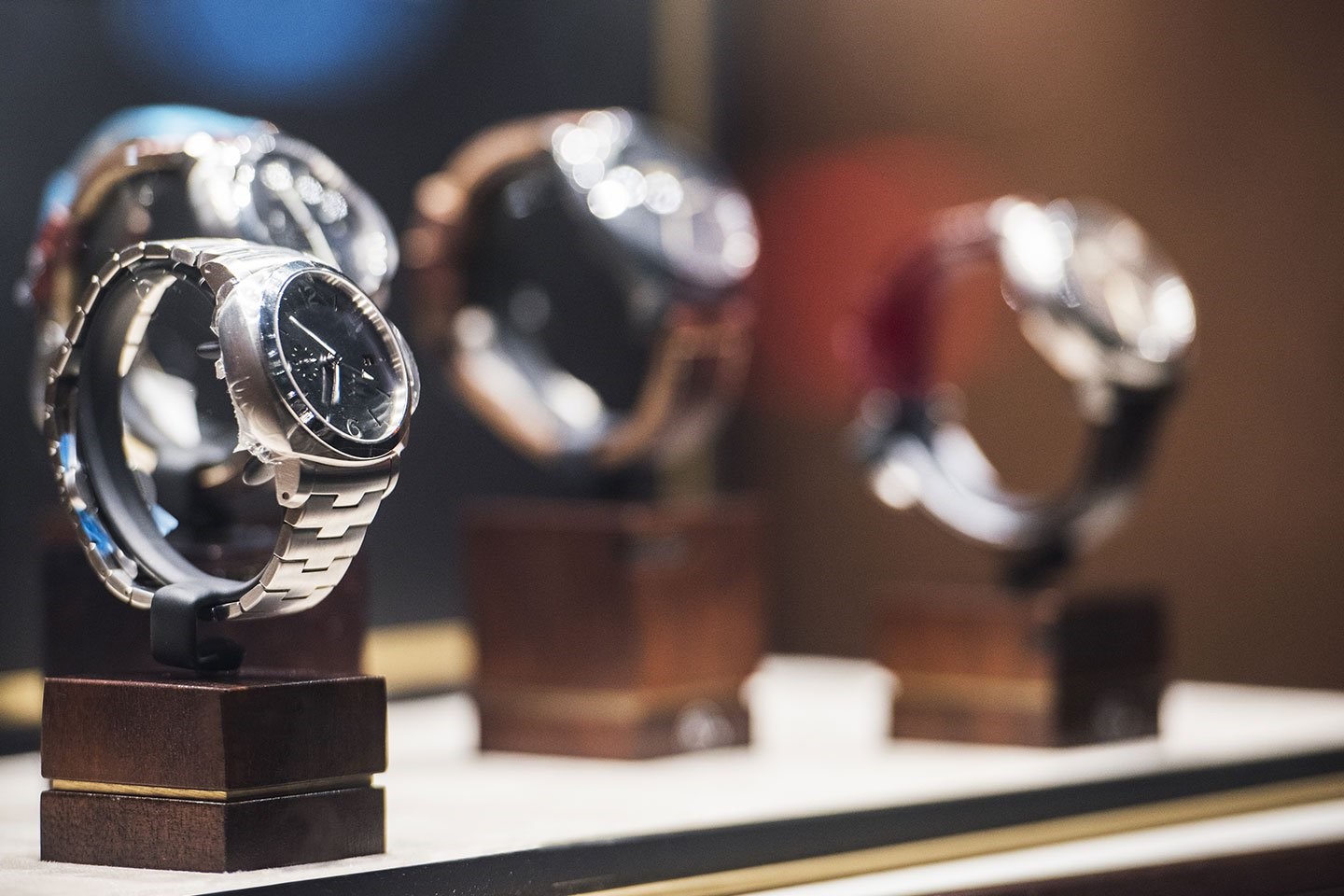
A luxury watch boutique is carefully engineered to feel like a cross between an intimate private library, a high-end art gallery, and a welcoming living room.
Every single element within the space is adjusted to slow down the human nervous system. Neuroaesthetics has long been employed in retail, for good reason.
The frantic, hurried energy of the outside street is completely blocked out the moment the front door clicks shut. The air is often delicately scented with custom wood and leather tones, and the ambient noise is reduced to a soft, comforting hum that allows for conversation.
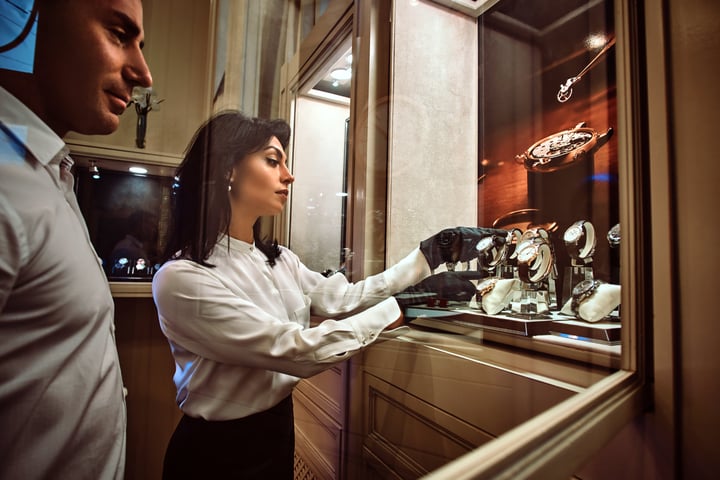
The crown jewel of this spatial design is the private viewing room, often referred to as the VIP salon. Instead of forcing clients to stand over a glass counter on a busy sales floor, advisors quickly escort them to a secluded, comfortable seating area lined with plush armchairs and low walnut tables.
This design strategy serves an important psychological purpose: it validates the significant premium of the brand before a watch even touches the client's wrist. The physical environment acts as a silent guarantee of quality and prestige.
It tells the customer that their comfort, privacy, and time are valued above all else, creating a safe, unhurried space where deep emotional attachments to luxury objects can naturally grow.
Personalization & Clienteling
In watch retail, a sales professional isn't referred to as a clerk or a representative; they are called Client Advisors, Brand Historians, or Relationship Managers. This terminology is a reflection of a business model that rejects the quick, transactional sale.
They don't care if you don't buy it, and they won't treat you any differently if you vocalize your lack of inclination to make a purchase.
Because the supply of luxury watches is naturally constrained by production limits, advisors are trained to play the long game. They understand that a customer standing in front of them today might not actually take home a watch for another 2 years.
Consequently, the focus shifts entirely from closing a deal to building a relationship, with no expectations or corrupt motivations. This slow-burn engagement model means that if and when an allocation finally opens up, the transaction is handled between two people who have built genuine mutual trust.
Storytelling, Heritage & The Ritualization of Purchase
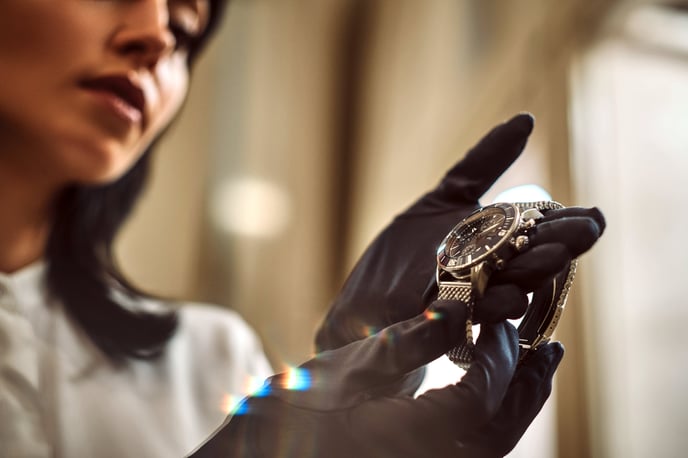
Nobody buys timepiece simply to find out what time it is; a basic smartphone does that with far greater accuracy. People buy these because they want to wear a piece of art on their wrist.
Advisors do not bore clients with dry spec sheets about gear dimensions or mainspring alloys (unless asked). Instead, they talk about the legendary watchmakers who built the complications, the deep historical expeditions that relied on the brand's instruments, and the decades of meticulous hand-finishing required to polish a single watch case.
This narrative style culminates in the highly choreographed ritualization of the final purchase. The moment of conversion is never treated casually. It is turned into an unforgettable rite of passage. The watch is presented on an immaculate velvet tray and fitted to the client's wrist with the precision of a fine tailoring session.
Champagne is poured, heavy wooden boxes are unboxed, and the warranty card is stamped and dated by hand. This beautiful ritual serves to firmly anchor the purchase in the buyer’s memory.
After-Sales Experience & Continuity
For elite watchmakers, the customer journey does not hit a dead end when the credit card clears; that moment is simply the opening chapter of a lifelong relationship. A timepiece requires periodic servicing, cleaning, and calibration to run perfectly across decades.
The watch industry has brilliantly turned this technical necessity into a primary customer touchpoint. When a client brings a timepiece back for service, it is treated with the exact same reverence as a fresh purchase.
The watch is carefully inspected, logged, and sent off to master watchmakers for a complete restoration process that is often described to the client as a luxurious spa retreat for their timepiece.
Throughout this multi-month service window, the brand keeps the client closely connected to the inner circle. Owners receive detailed updates on the health of their watch, and they are regularly invited to exclusive brand experiences that money simply cannot buy.
These might include private collector dinners, intimate lectures with head watchmakers, or behind-the-scenes tours of the historic manufacturing facilities in Switzerland.
By extending the experience far past the initial sale, watch brands successfully turn one-time buyers into deeply passionate brand ambassadors. They ensure that when the client decides it is time to purchase another timepiece, there is only one brand they will ever consider.
Cross-Industry Applications
While the unique mechanics of the luxury watch industry are deeply rooted in its horological history, the underlying emotional triggers are completely universal. Customers everywhere respond powerfully to feeling recognized, respected, and exclusive.
The core pillars of watch retail can be seamlessly adapted by any premium business. Let's explore how three distinct, experience-driven industries can adopt these high-touch principles to elevate their own customer journeys.
Luxury Hospitality
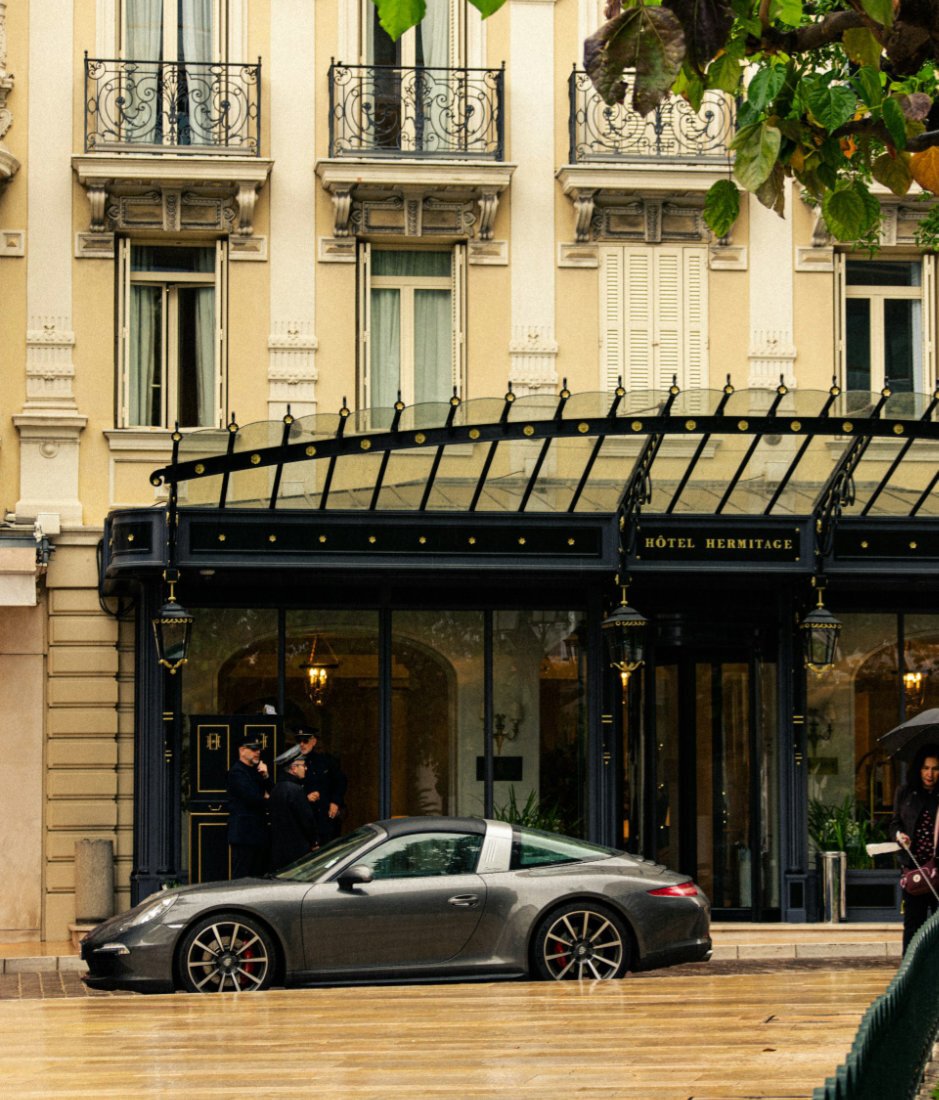
Modern luxury hospitality has leaned into technological convenience, using mobile check-ins and digital room keys to remove human contact.
While this works beautifully for standard business travel, it strips away the distinction required by true luxury properties. To reverse this, elite hotels can borrow the watch industry's concepts of access control strict ritualization to make stays feel genuinely exclusive.
Instead of relying on an automated app or a standard front desk counter, hotels can transition to an appointment-style pre-arrival curation model.
A dedicated Guest Experience Advisor can connect with a traveler a week before arrival to map out their stay, uncovering preferences, dining desires, and the intent behind their trip so they can be served better.
The arrival itself can be turned into a welcome ritual: bypassing the busy lobby entirely to escort the guest directly to their room, where a personalized welcome drink is poured while check-in details are handled on a comfortable couch.
To mirror the watch allocation model, hotels can establish highly restricted, unlisted suites or hidden private lounges that cannot be booked online.
Access to these spaces can be reserved exclusively for returning guests or managed through personal relationships with the General Manager, creating a powerful incentive for long-term brand loyalty.
Food & Beverage (F&B)
The high-end dining sector often struggles with a frantic operational cycle, focusing on table turnover and maximizing seat capacity. This transactional pressure can make even expensive dining experiences feel rushed.
By embracing the watch industry's focus on clienteling and immersive storytelling, premium restaurateurs can transform an ordinary evening meal into a theatrical event.
Establishments can move away from traditional public reservation platforms toward a more intimate, relationship-driven booking system. A customer shouldn't just secure a table online; they should connect with a reservation curator who actively learns about their palate, culinary history, and favorite vintages over time.
When the guest arrives, the service can be grounded in rich, narrative-driven storytelling. Staff can share the deep historical lineage of a rare ingredient, describe the unique journey of a small-scale winemaker, or detail the artisan craftsmanship behind the hand-forged steak knives presented at the table.
Every major course can be turned into a micro-ritual, such as a chef table-side presentation or an exclusive guided cellar visit between courses. By treating dining as an intentional, slow-paced journey rather than a meal, restaurants can build an obsessed base of regulars who view the establishment as a home away from home.
Experience-Led Brands
Whether operating in premium automotive, high-end lifestyle electronics, or artisan fashion, experience-led brands frequently make the mistake of pushing for an immediate digital checkout.
This rush to close the sale skips the vital emotional steps required to build true brand devotion. These brands can elevate their standing by intentionally introducing human-centric friction and robust after-sales continuity into their customer journeys.
Brands should resist the urge to place a prominent "Buy Now" button on flagship, high-value products. Instead, they can invite customers to "Request an Invitation" or "Schedule a Private Consultation."
This simple detail change changes the entire psychology of the transaction, turning a standard online purchase into an exclusive, high-touch consultation.
The delivery of the product should always be accompanied by a memorable unboxing ritual, whether that happens in a beautiful, private flagship salon or through a premium home-delivery service where a trained expert walks the client through every detail of setup and personalization.
Finally, the after-sales journey must be elevated to keep clients emotionally invested. Brands can create private owners' clubs, launch exclusive forums for product feedback, and offer complimentary maintenance checkpoints that make the customer feel like an appreciated lifelong member of an exclusive club rather than just a name on a sales receipt.
FAQs
While luxury watch retail may seem like a niche subject, the customer experience principles behind its success have broad relevance across hospitality, dining, and premium consumer sectors.
The industry's approach offers useful insights into relationship building, loyalty, service design, and brand positioning. The following questions explore both the broader customer experience concepts that drive luxury retail and the practical lessons businesses can apply in their own customer journeys.
What is customer experience in luxury retail?
Customer experience in luxury retail encompasses every interaction a customer has with a brand before, during, and after a purchase. Unlike traditional retail, luxury brands place significant emphasis on emotional engagement, personalization, and relationship building.
The goal is not simply to complete a transaction but to create a memorable journey that reinforces the brand's values and identity. Elements such as service quality, environment, communication, exclusivity, and post-purchase engagement all contribute to how customers perceive the experience and whether they choose to remain loyal over time.
Why is customer experience important for luxury brands?
Luxury brands compete on more than product quality alone. In many categories, customers can find comparable craftsmanship, materials, or technical specifications from multiple providers. Customer experience becomes a key differentiator because it shapes emotional connections and influences long-term perceptions of value.
Exceptional experiences can strengthen loyalty, encourage referrals, and justify premium pricing. As consumers increasingly seek meaningful interactions rather than purely transactional relationships, customer experience has become one of the most important drivers of success across luxury industries.
What can hotels learn from luxury watch boutiques?
Luxury watch boutiques demonstrate how thoughtful customer experience design can elevate perceived value. Hotels can apply similar principles by creating more personalized guest journeys, developing stronger one-to-one relationships, and introducing memorable rituals throughout the stay.
Rather than focusing exclusively on operational efficiency, hospitality brands can benefit from designing experiences that feel intentional and emotionally engaging. Elements such as personalized welcomes, exclusive access, and long-term relationship management can help transform a standard stay into an experience guests remember and actively seek out again.
How does exclusivity influence customer perception?
Exclusivity often increases perceived value because it creates a sense of rarity, recognition, and significance. When customers feel they have access to something limited or carefully curated, the experience can become more meaningful. However, effective exclusivity is not simply about restricting access.
The most successful brands use it to deepen engagement and make customers feel appreciated. Whether through private events, appointment-only experiences, or personalized invitations, exclusivity can strengthen emotional connections and encourage customers to invest more deeply in a brand relationship.
How can businesses build stronger long-term customer relationships?
Long-term relationships are typically built through consistency, trust, and ongoing engagement rather than one-time transactions. Businesses that stay connected after a purchase often create more opportunities for loyalty and advocacy. This can involve personalized communication, exclusive experiences, customer communities, educational content, or proactive service.
The objective is to continue delivering value even when no immediate sale is taking place. Organizations that view customer relationships as ongoing partnerships are often better positioned to increase retention and strengthen customer lifetime value over time.
Winding Down
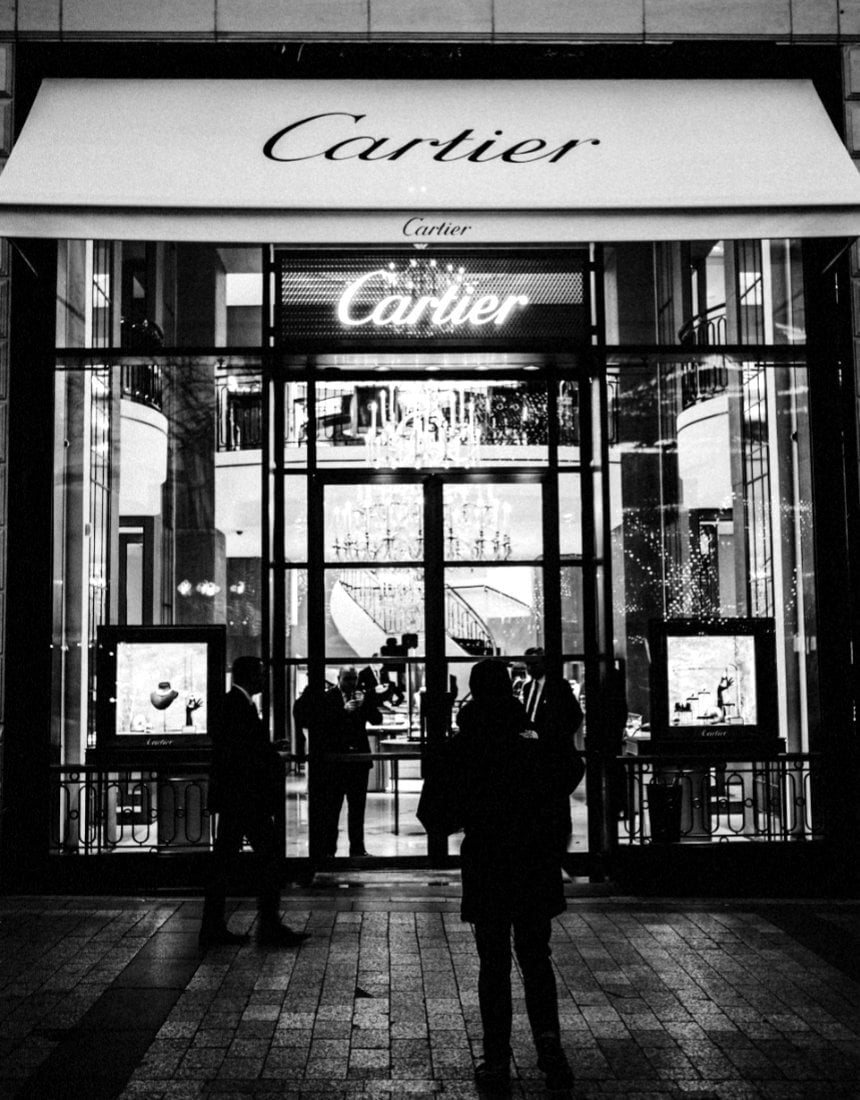
The luxury watch retail model provides undeniable proof that the most impactful customer journeys are rarely the fastest or the most automated.
By integrating these timeless pillars of exclusivity, personalization, immersion, ritual, and lifelong after-sales care into your own business model, you can elevate your brand above the noise of the market, turning ordinary customers into a passionately loyal community that will stand by you for generations.