





Key Takeaways
- Be open-minded: Be able to challenge assumptions and avoid quick judgements, stereotyping and being affected by inherent biases.
- Self-awareness: Know your own cultural values, norms and attitudes and your conscious and unconscious feelings towards other specific cultures.
- Application of cultural dimensions: Based on your culture, identify where you are on specific cultural dimensions (for example, Hofstede and Hall’s dimensions) and be able to recognize similarities and differences with cultures different to your own.
- Conscious and aware of non-verbal communication: Be attentive to non-verbal signs, such as changes in posture, gestures, facial expressions and vocalic, as well as spatial rules...and, be aware of your own non-verbals.
- Interpreting non-verbal communication: Think about what is being implied, the cultural meaning of what is being “said”; be cognizant of the individual and the situation or context as a basis for forming an appropriate and informed response.
- Learn from experience: Manage your own verbal and non-verbal communication and behavior in real-time based on the situation or context and by applying cultural understanding and learning from previous experience.
Guest experience in hospitality is shaped by far more than amenities or service efficiency. At its core, it is a deeply human exchange, one where cultural context influences how guests communicate, what they expect, and how they feel throughout their stay.
For hospitality professionals, understanding those differences is not an optional refinement but a practical necessity.
This article explores how cultural intelligence can be applied to create more meaningful, personalized guest interactions, drawing on frameworks like Hofstede's cultural dimensions and Hall's communication theories to ground the discussion in something actionable.
Respect: A Cornerstone of Acknowledging Cultures
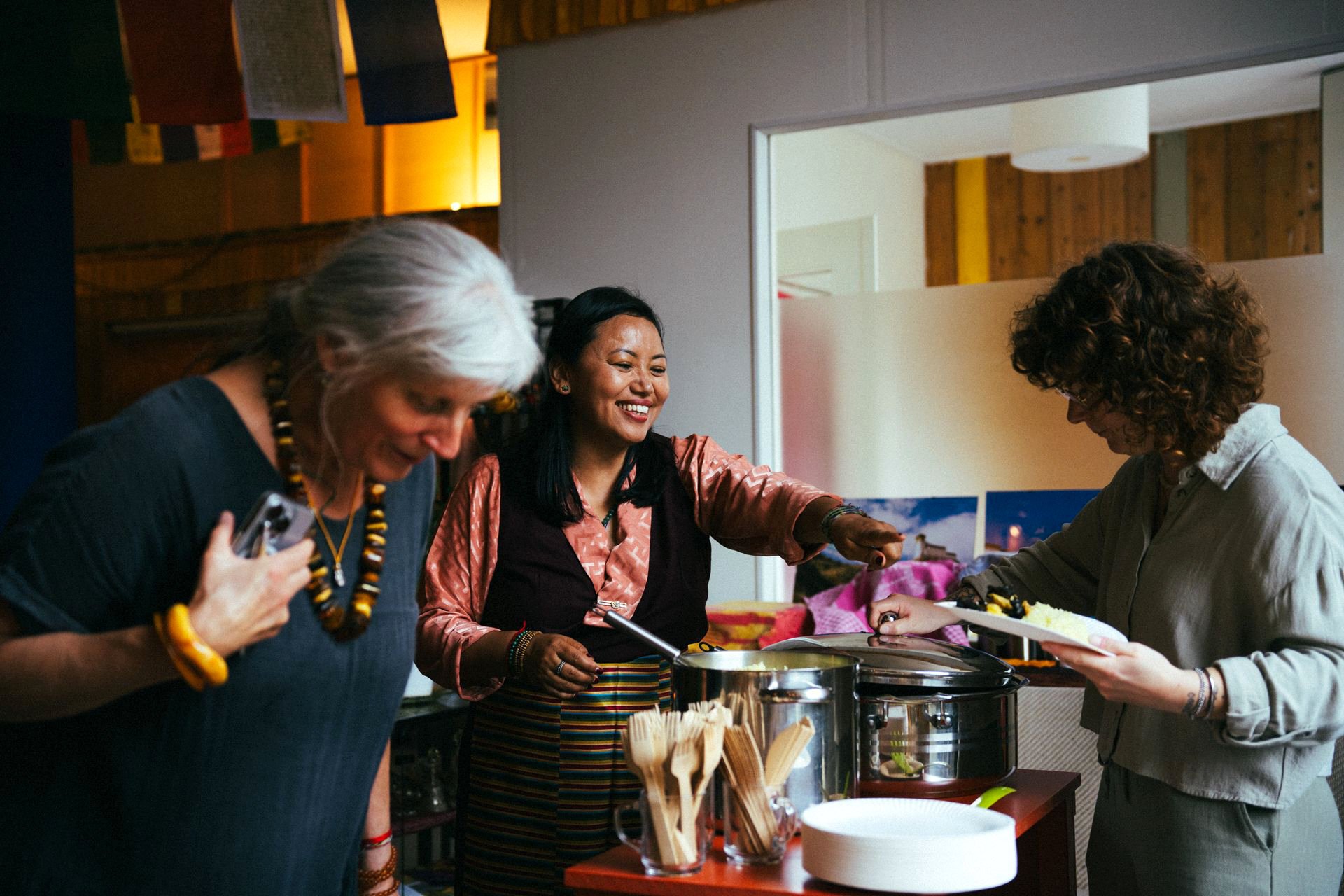
Culture plays a vital role in hospitality, where the experience is everything. That includes time spent at the property, interactions with people, and everything else the place has to offer.
Unlike going into a store to buy a tangible product and walking out when done, guests may very well choose to stay indefinitely. For the entirety of their stay, your venue is their “home”, and the “stay” is the product.
Interestingly, “home” is where a lot of culture is played out, whether it’s about hygiene, cuisine, routine, rest, or relaxation. It’s always exciting to see how those proclivities fit into a totally new setting. That’s part of the appeal for travelers wanting to immerse themselves in a different culture.
However, for seasoned and uninitiated travelers alike, the feeling of dépaysement eventually catches up, which can be quite jarring… Culture shock, if you will.
For hospitality employees, understanding where guests are from and showing respect for their culture is a one way to ease that transition. It is also a great way to personalize and emotionally engage with the guest in ways that enrich their experience, making them feel “at home”.
Accommodating different cultures doesn’t necessarily require significant deviations from the way you do things. Who you are as a brand and where you’re operating from is important too. It’s all about balance and doing what you can, when you can. This recognition of culture is more subtle.
It influences how you interact with certain guests before, during and after their stay. It involves little things that show respect and prevent you from making a cultural faux pas.
Where Culture and Guest Experience Intertwine

In simple terms, culture is an accumulation of shared meaning within a group that creates a level of conformity. It defines the collective perceptions, core values, habits, and expectations that affect individual behavior within said collective.
Culture provides a context or lens through which we view the world and what’s important to us. Think of it as adjacent to artistic expression, but extended to a place, race, region, commune, country, or even cult. Fun fact: “cult” and “culture” have shared etymologies.
Several models and concepts have been developed to provide frameworks for understanding cultures and identifying their differences.
If you’re from a business background, chances are you’ve probably heard of these before. For instance, Hofstede’s Cultural Dimensions and Trompenaar's Seven Dimensions of Culture. They can also carry over to the context of hospitality and provide insights to fine tune guest experiences.
Using Hofstede’s dimension as a reference point, how a guest responds to uncertainty depends on the extent of their uncertainty avoidance. This will define their need for systems, process, and order, as well as reassurance; their reliance on tangible evidence versus intangibles; and their concern for health and safety.
It also affects their openness to new experiences and propensity to seek novelty. A guest’s attitude to service may also depend on whether they are from an individualistic or collectivistic society, their tolerance for risk or ambiguity, and their attitude to power distance; their acceptance or not of inequality in society.
Similarly, it affects complaining behavior. Better understanding a guest based on their cultural values, and their expectations as a result of these values, can help to engage and create a better guest experience. Hall’s Cultural Theories and Dimensions also deal with a culture’s attitude toward punctuality, their need for personal space, and reliance on context in communication.
The latter reflects cultural differences in communication styles: direct (low context) versus indirect (high context) and how messages are interpreted (through words and the literal meaning versus considering the context and what is being implied that goes beyond the information conveyed through words alone).
So, while speaking the same language can help create emotional engagement, linguistic ability isn’t always enough. Communication competence, that is, being able to interpret not only what is being “said”, but also what is “unsaid” is also required.

This includes understanding the context and the non-verbal communication, such as outward expression of emotions and use of display rules, interpreting facial expressions, gestures and changes in vocalics.
Having the knowledge and skills to respond in a way that is appropriate and understood is vital. Failure to recognize different communication styles can result in misunderstandings on both sides.
Based on cultural values and norms guests may also have different attitudes toward, or expectations of, hospitality itself. Take, for example, the Japanese, a culture steeped in the philosophy of omotenashi: a holistic approach to hospitality derived from sado, Japan's tea ceremony.
Omotenashi is based on caring and anticipating, sincerity and mutual respect. It’s about not expecting anything in return, which includes tipping. This sets standards and expectations for the Japanese when they travel abroad.
It is also important to remember that everyone is different! So, while culture may be important in the context of understanding a guest, there are also individual differences to consider based on:
- Personality,
- Background,
- Family environment
- Upbringing, and
- The specific situation or context: who they are traveling with and for what reason etc.
So, knowing the individual guest beyond their culture and appreciating specific cultural nuances is also important and this can take time.
Developing Cultural Intelligence
Gaining knowledge and insights into how to create emotional engagement during inter-cultural encounters and interactions requires developing cultural intelligence, also referred to as cultural quotient or CQ, which includes empathy.
Similar to emotional intelligence but in a cultural context, CQ is the ability to understand not only other people’s culture but also one’s own. It encompasses respecting, appreciating and managing the differences in inter-cultural situations. Acquiring this intelligence should be essential to fulfilling the promise, as a host, of “hospitality” to a guest.
CQ can be taught but is also enhanced through experience with intercultural situations and familiarity with a culture. For example, we may “identify” with a specific culture having lived and/or worked in the culture, having a long-term partner and/or have been brought up in a family with a parent of that culture.
A propensity for understanding that can also arise from cultural proximity where there is a similarity to one’s own culture based on history, ethnicity, religion, language, and/or geography.
Developing CQ can help overcome the assumptions, biases, and stereotypes that can consciously or sub-consciously arise in inter-cultural situations, which can lead to misunderstandings.
Appreciating and respecting cultural differences can also help overcome ethnocentrism: cultural or ethnic bias that results from using one's own culture as a frame of reference. This can affect our ability to truly engage with a guest and build a relationship with them.
While we have no influence over how guests may respond to employees from other cultures due to their own biases; we can manage our own, whether conscious or unconscious, and also those of our teams.
FAQs
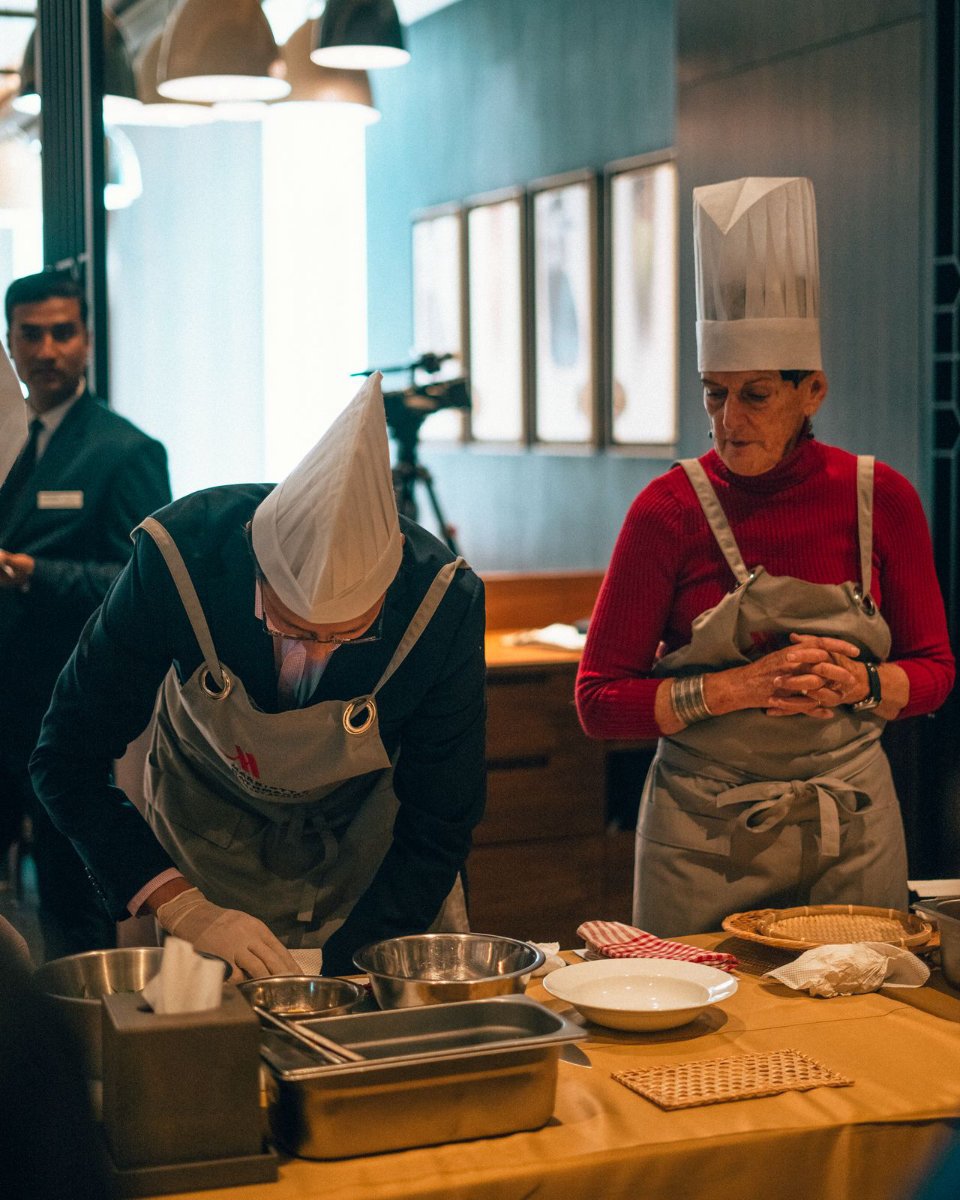
These are some of the most common questions around this subject, and why it matters for guest experience in hotels.
Why are cultural experiences important in hotels?
They give guests a reason to feel connected to where they are, not just where they are staying. For many travelers, the chance to engage with local customs, cuisine, and traditions is a core part of why they chose a destination in the first place.
In a profiling study by Grand Hyatt, guests cited relaxation and cultural immersion as primary motivations for travel, expressing a desire to participate in cultural rituals, eat local food, and visit historic landmarks.
Hotels that create meaningful access to those experiences position themselves as an extension of the destination itself, rather than a neutral backdrop to it.
What is the importance of guest experience in hotels?
Guest experience shapes everything from satisfaction scores to long-term loyalty. It goes well beyond clean rooms and efficient service. Guest experience encompasses interactions with staff, the physical environment, and both tangible and intangible elements that shape a stay, including cultural sensitivity.
Guests tend to remember how a hotel made them feel rather than just the services they received. A culturally aware team contributes directly to that feeling. When guests sense that their backgrounds and customs are understood and respected, they are more likely to feel at ease, engage more openly, and return.
How does cultural sensitivity affect hotel guest experience?
Cultural sensitivity determines whether a guest feels genuinely welcomed or simply accommodated. Small missteps, such as assigning a family with religious dietary restrictions a table near an alcohol-focused bar, or misreading communication styles, can undermine an otherwise solid stay.
Culturally fluent teams tend to earn higher guest satisfaction scores, stronger reviews, and greater loyalty, because guests notice when they are treated with informed consideration rather than generic hospitality. It also shapes staff dynamics. Teams with strong cross-cultural awareness tend to collaborate more effectively and are better equipped to adapt when guest expectations shift.
What makes a cultural experience meaningful for hotel guests?
Authenticity is the deciding factor. Guests increasingly look for direct engagement with a destination's culture rather than a curated, surface-level version of it.
The role of hotel concierges has evolved, with guests now looking to hotels as trusted experts on authentic local experiences, often beginning within the property itself. A meaningful cultural experience respects individual differences too.
Frameworks such as Hofstede's cultural dimensions can help staff understand how guests from different backgrounds approach novelty, uncertainty, and interaction, allowing for a more thoughtful, personalized approach that goes beyond broad cultural assumptions.
How to develop cultural intelligence within an organization?
Start by identifying a culture ambassador within your property, someone responsible for building cultural awareness and sensitivity across teams and, where possible, across multiple properties.
Draw on the cultural diversity already present in your workforce. Employees with firsthand knowledge of a particular culture are a practical and often underutilized resource, especially when they can share insights relevant to your key guest demographics.
Beyond that, create structured opportunities for staff to immerse themselves in the cultures most represented among your clientele, including national, ethnic, and religious contexts, alongside clear channels for sharing what they learn.
Formal training in cultural sensitivity and CQ development rounds out the approach, but it works best when it is reinforced by the informal knowledge that circulates naturally within a diverse, culturally engaged team.
Looking Ahead

Hospitality has always been a deeply human industry, and the guests checking in today reflect a more connected, more mobile world than ever before.
Cultural intelligence is not a fixed skill to acquire and move on from; it develops through sustained curiosity, real exposure, and a genuine willingness to see the world through someone else's frame of reference.
Properties that invest in that capacity, at every level of the team, will be better placed to meet whatever that world brings through the door next.