


While craft brewing, home brewing and beer tasting have exploded in popularity in recent years, beer ultimately consists of a few basic styles. In this complete guide on the main types of beer, you'll brush up your knowledge about common and popular styles of beer to increase your familiarity with one of the world's oldest drinks.
Where Did Beer Originate From?
Many countries have tried to stake their claim as the first creators of the amber nectar, however, the first barley beer production dates back to the period of the Sumerians, around 4,000 BCE. Sumerians were the earliest known civilization from what is now known as Iraq.
Although many believe that Germany was in fact the birthplace of beer, it was in Germany, a country renowned for its beer drinking, deeply rooted in its cultural identity, that modern and popular beer styles were developed in the Middle Ages. However, history shows there were many ancient civilizations, from the Sumerians, Babylonians, Egyptians, Greeks, Romans, Chinese, and more, who were involved in the development of the refreshing beverage we enjoy today.
The Current Beer Market
According to Statista, revenue in the beer market amounts to US$675.71bn in 2026, with an expected consumption of 177.63bn liters.
For any entrepreneurs looking to enter the F&B industry, beer would be the most sensible bet. A Statista analyst said, "Beer is the most important segment in the global Alcoholic Drinks market, both by volume and value. In comparison to other segments of the Alcoholic Drinks market, this segment is already quite concentrated, with the top 5 players accounting for roughly 60% of global volume – half of which is attributable to market leader AB InBev alone."
The 2 Main Types of Beer: Lager and Ale
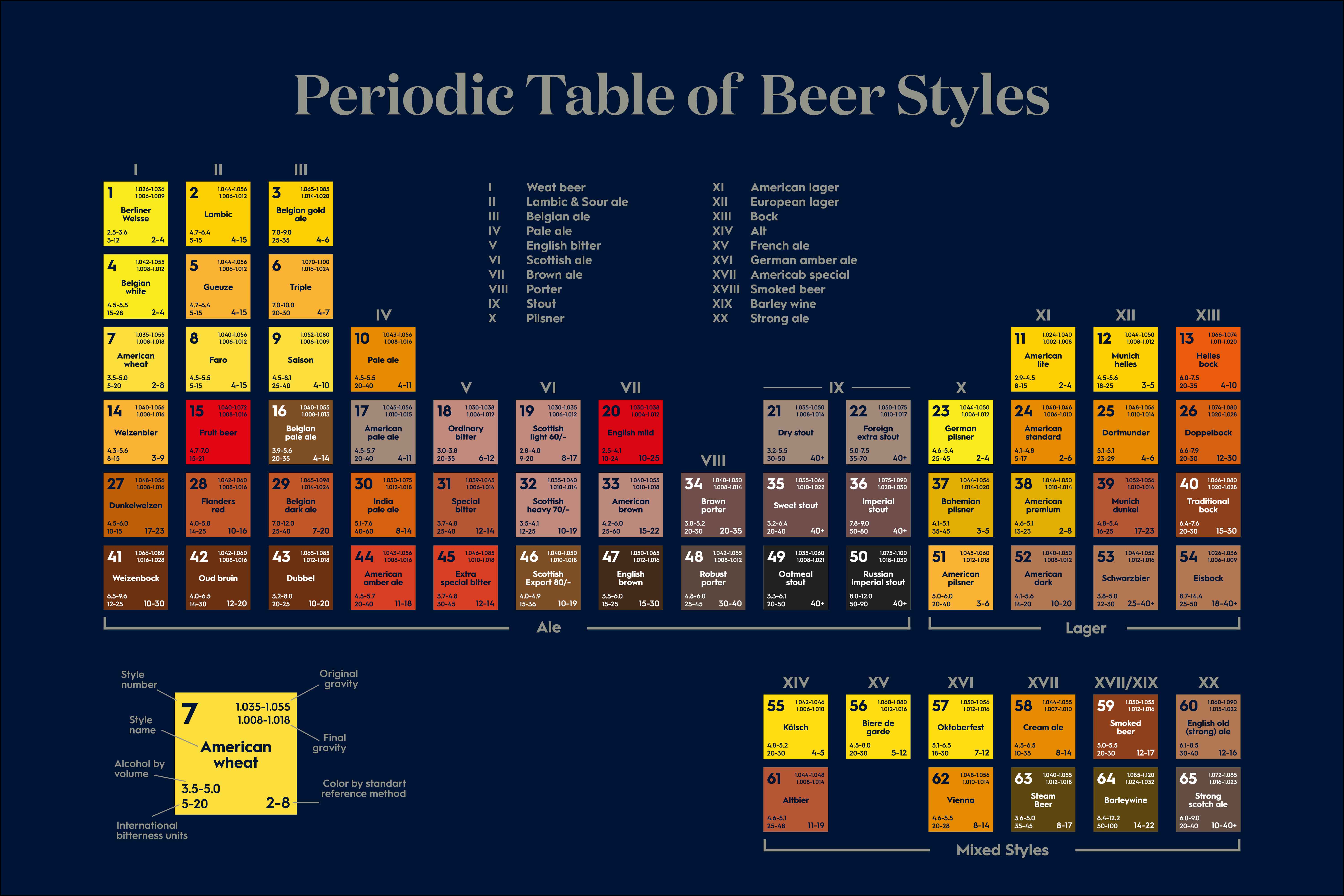
Several factors determine the different types of beer, such as ingredients, brewing method, and region of origin. That means there are quite literally hundreds of different beer types out there, so it’s impossible to cover them all in one article.
However, we can simplify things by breaking these beer types into two main categories: lagers and ales, which are distinguished by different yeasts and fermentation processes. Ales are fermented with top-fermenting yeast at warm temperatures (60˚–70˚F), and lagers are fermented with bottom-fermenting yeast at cold temperatures (35˚–50˚F). In addition to these two main beer types, there are also some beers that can be classified as hybrids, as they contain both lager beers and ale characteristics.
How Brewing Choices Shape the Types of Beer
All the different types of beer reflect a series of strategic brewing decisions. From ingredient selection to fermentation technique, these choices directly influence aroma, flavor, texture, and overall balance in the finished beer.
Role of Hops in Aroma and Bitterness
Hops are best known for bitterness, but their impact isn’t limited to sharpness. Depending on variety and timing, hops can add citrus, floral, herbal, or resinous aromas. Early additions emphasize bitterness, while later additions shape aroma and freshness, helping define styles from crisp pilsners to hoppy IPAs.
Malt Selection and Color Development
Malt provides structure, sweetness, and color. Lightly kilned malts produce pale beers with clean, bready notes, while darker malts introduce flavors such as caramel, chocolate, or coffee. The combination and treatment of malts largely determine a beer’s color, body, and underlying richness.
Yeast Strain Influence on Flavor
Yeast is often the most underestimated ingredient. Different strains create distinctive flavor compounds during fermentation, ranging from fruity and spicy notes to clean and neutral profiles. The choice of yeast plays a defining role in separating beer families and shaping stylistic identity.
Fermentation and Conditioning Methods
Temperature, fermentation time, and maturation all affect how a beer tastes and feels. Warmer fermentation can encourage expressive flavors, while cooler, slower processes tend to produce cleaner results. Conditioning allows flavors to integrate, bitterness to soften, and textures to become more refined.
Together, these brewing choices transform a simple set of ingredients into a wide spectrum of beer styles, each with its own sensory signature.
Lager
Lagers are a newer style of beer with two key differences from ales. Lagers ferment for a long time at a low temperature, and they rely on bottom-fermenting yeasts, which sink to the bottom of the fermenting tank to do their magic.
That process gives lagers a crisp finish with clean, subtle flavors and a smooth, balanced profile.
Lagers are dominating the global mainstream beer market, reaching USD 357.8bn in 2024. Research carried out by the Imarc Group predicts that the market will continue growing at a CAGR of 2.08% (2025-2033) to reach US$439.4bn by 2033. Lagers are common in European countries, holding a market share of over 43.6% in 2024, with factors such as e-commerce, beer tourism and brewery experiences, and social media influence contributing to the segment’s continued growth.
Pilsner
A subspecies of lager, pilsner beers are distinguished by their water, which varies from neutral to hard. Pilsners are among the hoppiest lagers and generally have a dry, slightly bitter flavor. Their light golden color, clear body, and crisp finish make Pilsners a popular summer beer.
American Lager
Characterized by its pale color, which ranges from resembling straw to a golden hue, American lagers are highly carbonated beers with a refreshing, crisp taste. The flavor may vary from brand to brand, but tends to lack the hops and malt that are present in ales. They make for easy drinking when getting together for BBQs in the garden during summer.
Ale
Ale is a general category of beer with sub-categories like brown ales or pale ales. This is the oldest style of beer, dating back to antiquity. What distinguishes an ale, and also makes this category of beer accessible for home brewers, is a warm-temperature fermentation for a relatively short period of time.
In the brewing process, brewers introduce top-fermenting yeasts, which, as the name suggests, ferment on the top of the brew. The fermentation process turns what would otherwise be a barley and malt tea into a boozy beverage with fruity flavors, spicy notes, big aromatics, and a fuller mouthfeel.
Research indicated that the global craft beer market size reached US$142.6bn in 2024 and is expected to reach US$329.7bn by 2033, exhibiting a very promising growth rate (CAGR) of 8.74% during 2025-2033. This research encapsulates Lager, Ales, and Hybrid beers, but the rapid growth of the craft beer category shows a thirst for weird and wonderful creations from independent breweries, and perhaps, a shift away from traditional lagers, which have historically been the more popular type of beer.
Porter
A type of ale, porter beers are known for their dark black color and roasted malt aroma and notes. Porters may be fruity or dry in flavor, which is determined by the variety of roasted malt used in the brewing process.
Stout
Like porters, stouts are dark, roasted ales. Stouts taste less sweet than porters and often feature a bitter coffee taste, which comes from unmalted roasted barley that is added to the wort. They are characterized by a thick, creamy head. Ireland's Guinness may be one of the world's best-known stouts.
Blonde Ale
This easy drinking ale is a summer favorite, thanks to its light malt sweetness and trace of hops, which add aroma. As the name suggests, blonde ales have a pale color and a clear body. They tend to be crisp and dry, with few traces of bitterness, rather than hop-heavy or dank.
Brown Ales
Brown ales range in color from amber to brown, with chocolate, caramel, citrus, or nut notes. Brown ales are a bit of a mixed bag, since the different malts used and the country of origin can greatly affect the flavor and scent of this underrated beer style.
Pale Ale
An English style of ale, pale ales and known for their copper color and fruity scent. Don't let the name fool you: these beers are strong enough to pair well with spicy foods.
Related to the pale is the APA, or American Pale Ale, which is somewhat of a hybrid between the traditional English pale ale and the IPA style. American pale ales are hoppier and usually feature American two row malt.
India Pale Ale
Originally, India Pale Ale or IPA was a British pale ale brewed with extra hops. High levels of this bittering agent made the beer stable enough to survive the long boat trip to India without spoiling. The extra dose of hops gives IPA beers their bitter taste. Depending on the style of hops used, IPAs may have fruit-forward citrus flavors or taste of resin and pine.
American brewers have taken the IPA style and run with it, introducing unusual flavors and ingredients to satisfy U.S. beer drinkers' love for the brew style.
Wheat
An easy-drinking, light style of beer, wheat beers are known for a soft, smooth flavor and a hazy body. Wheat beers tend to taste like spices or citrus, with the hefeweizen or unfiltered wheat beer being one of the more common styles.
Sour Ale
An ancient style of beer that's taken off in popularity in recent years, sour ales are crafted from wild yeasts, much like sourdough bread. These beers are known for a tart tang that pairs well with tropical fruit and spices. Within sour beers, you'll find lambics, which are Belgian sour beers mixed with fruit, goses, a German sour beer made with coriander and sea salt, and Flanders, a Belgian sour beer fermented in wood tanks.
Special Types of Beer that Go Beyond Ales and Lagers
Not all beer styles fit neatly into the ale–lager divide, as some categories are defined less by yeast or fermentation temperature and more by technique, flavoring, or intent.
Hybrid Styles
Hybrid beers combine characteristics traditionally associated with both ales and lagers. They may use one type of yeast while borrowing fermentation practices or flavor profiles from the other family. The result is balanced, structured, drinkable beers with subtle complexity.
Barrel-Aged Beers
Barrel aging introduces a second layer of flavor after fermentation. Most commonly applied to ales, this process involves resting beer in barrels previously used for bourbon, wine, rum, or other spirits. As beer absorbs compounds from the wood and its former contents, flavors such as vanilla, oak, caramel, dark fruit, and gentle spirit warmth emerge. Barrel-aged beers are often richer and stronger, designed for slow appreciation rather than casual drinking.
Fruit Beers
Fruit beers start with a base beer, often an ale or a sour, then incorporate fruit during or after fermentation. The choice of fruit shapes both aroma and taste, ranging from berry and stone fruit to citrus and tropical notes. Styles vary widely, but fruit-forward beers are particularly popular in regions with strong craft cultures, where local produce typically influences recipes.
Non-Alcoholic Beers
Non-alcoholic beer has moved well beyond compromise. Advances in brewing and fermentation control have led to a new generation of craft NA beers that prioritize flavor, balance, and style authenticity. Today’s NA beers span pale ales, lagers, and even darker styles, making non-alcoholic beer a serious category rather than an alternative footnote.
Radler and Shandy
A radler blends beer with citrus juice, traditionally lemon, creating a light, refreshing drink with low alcohol and high drinkability. The name comes from the German word for “cyclist,” reflecting its origins as a thirst-quenching refreshment.
A shandy follows a similar idea, typically mixing beer with lemon or other fruit-based soft drinks. Both sit comfortably between beer and soft refreshment, valued for approachability rather than complexity.
Honey Beer
Honey beers use honey as a fermentable ingredient, adding subtle sweetness, floral notes, and a smooth mouthfeel. Rather than make the beer sugary, honey often contributes gentle caramel-like flavors and a rounded texture, complementing malt rather than overpowering it.
How to Explore Types of Beer As a Consumer or Professional
Exploring the various types of beer, whether for personal enjoyment or professional interest, is less about expertise and more about taking a conscious approach to gain knowledge.
Developing a Personal Flavor Preference
Taste evolves through exposure, and by noticing patterns, such as a preference for crisp, bitter, malty, or aromatic beers, you can narrow down beer choices without closing doors. Think of your preferences as something that can help guide you when exploring different types of beer.
Tasting Beer Intentionally
To intentionally taste a beer, you need to slow down. Chugging pints may be fun when you’re in college, but it does nothing to help refine your palate. Observing aroma, flavor progression, texture, and finish reveals how a beer is constructed and why it tastes the way it does. Comparing beers side by side helps sharpen perception and fine-tune your taste buds.
Asking the Right Questions in Bars, Breweries, and Restaurants
Engaging with staff can deepen the experience. Asking about flavor profile, brewing approach, or how a beer compares to others on the menu often yields better guidance than simply requesting a style by name. For professionals, these conversations can also offer valuable insight into storytelling, service, and guest engagement.
Beer Terminology Every Enthusiast Should Know
To the uninitiated, much of the beer terminology may sound like gibberish, but if you want to navigate the beer world, understanding a few core terms can make it much easier to read beer menus. Not to mention the fact that tasting experiences will be much more rewarding when you know what to expect in the glass.
ABV (Alcohol by Volume)
ABV refers to the percentage of alcohol in a beer. A lower ABV generally means a lighter, more refreshing beer, while a higher ABV often signals greater intensity and warmth. For context, most beers fall between 4% and 6% ABV, though some types of beer sit well outside that range.
IBU (International Bitterness Units)
IBU measures a beer’s bitterness, primarily derived from hops. The scale runs from low to high, but perception matters as much as numbers. A beer with high IBU may not taste aggressively bitter if balanced by malt sweetness, while a lower-IBU beer can still feel sharp depending on its style.
Hops, Malt, Yeast, and Water
These four ingredients form the foundation of all beer.
- Hops contribute bitterness, aroma, and freshness.
-
Malt provides sweetness, body, and color.
-
Yeast drives fermentation and creates many flavor notes.
-
Water influences texture and balance.
Body, Mouthfeel, and Finish
-
Body describes how heavy or light a beer feels on the palate.
-
Mouthfeel refers to texture, such as crisp, creamy, or smooth.
-
Finish is the lingering impression after swallowing, whether dry, bitter, sweet, or clean.
Session Beer vs. Strong Beer
A session beer is designed to be lower in alcohol and easy to drink over time, without overwhelming the palate. Strong beers, by contrast, have higher alcohol content and more intense flavors, often intended for slower, more deliberate enjoyment.
Cooking with Beer
Not just a popular tipple, beer is also a common staple in the larder of many chefs. Beer makes for a useful ingredient thanks to its fizzy, carbonated nature and earthy taste of the hops and barley, adding depth of flavor to cooking. All types of beer work to tenderize and moisten meat dishes, and the carbon works as a leavening agent in baking recipes, resulting in airy cakes, breads, pancakes, and batters.
When it comes to using beer for taste, as with all cooking, the key is finding the perfect balance of flavor. Malty dark beers like IPAs, stouts, and porters are typically used in wintery stews, braises, and pie filling,s giving a rich and slightly sweet taste. Whereas lagers (Pilsner, Kölsch, Märzen, etc.) are dry and crisp, lending themselves to roast chicken and beer-battered fish recipes. While the beer cooks, the majority of the alcohol evaporates, so no need to worry about spiking your dinner guests!
Why Understanding the Types of Beer Matters in Hospitality
In hospitality, beer knowledge is less about technical mastery and more about relevance. Understanding the types of beer equips professionals to guide choices, frame experiences, and respond to guest expectations, making the guests feel both comfortable and well cared for.
Enhancing Guest Experience Through Informed Recommendations
Guests rarely ask for education, but they value clarity, so when staff can translate beer styles into approachable descriptions, recommendations feel personal and help build trust.
Beer Pairing with Food
Beer’s range of flavors, textures, and carbonation makes it a versatile partner at the table. Knowing how bitterness cuts richness, how malt mirrors roasted flavors, or how acidity refreshes the palate allows professionals to suggest pairings that enhance both food and drink without making things overly complicated.
Supporting Craft, Local, and Global Beer Cultures
Having an informed approach to the various types of beer also reflects cultural awareness. Restaurants and bars can add depth to the guests’ experience by highlighting local producers, explaining regional styles, or contextualizing international beers to signal respect for craftsmanship while recognizing beer as both a global product and a local expression.
From Beer Categories to Curiosity
The different types of beer offer useful reference points that help frame expectations, provide language, and create shared understanding, but no category can fully capture the diversity found in brewing traditions and personal taste.
Moving beyond labels, beer appreciation allows drinkers to notice nuance, context, and craftsmanship, and it reflects history, place, and technique while remaining deeply individual. We hope this guide to beer styles has whetted your appetite!
To deepen your culinary and beverage knowledge, consider joining the EHL community.