

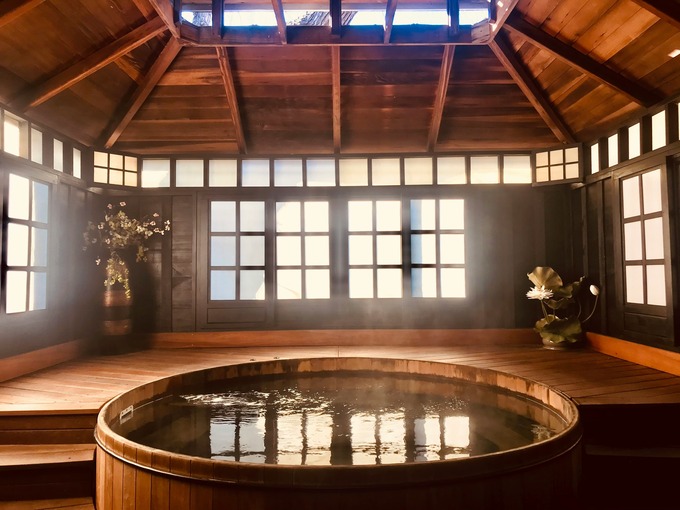


It took a while, but the hotel market has finally caught up on the importance of wellness offerings. There is virtually no hotel development deck or repositioning strategy now without a wellness page.
While everyone is keen to jump on the bandwagon, it is important to understand how these operators make money. This article looks at the business of wellness experiences, wellness business models, how the wellness and hospitality industries reinforce each other, and an outlook on wellness industry investment.
Key Takeaways
- The business of wellness experiences is how operators package, price, and generate revenue from experiences that improve how people feel or function, from spa treatments to wellness real estate.
- There are four main wellness business models in hospitality, namely treatment-based, access-based, membership, and real estate, and each one grows in a different way.
- Treatment-based models are constrained by labor costs: in CBRE’s analysis of US hotels with self-operated spas, spa department profits fell by 0.5% between 2023 and 2024, even as revenues grew.
- Investment is flowing toward models with recurring or capitalizable revenue, such as large-format bathhouses and social wellness clubs.
What Is The Business of Wellness Experiences?
The business of wellness experiences is the commercial side of wellness: how operators package and generate revenue from wellness-based offerings. It spans spas, medical spas, bathhouses, wellness members’ clubs, retreats, and wellness real estate, and each of these can rely on a very different business model.
A wellness experience is anything a consumer buys where the point is a change in how they feel or function for the better. This could be a massage, a sauna session, a sleep program, or even a home that is built to support the health of the inhabitant, where the wellness experience is designed into the building.
The larger picture of wellness experiences and the businesses around them is one of great growth expectations. The Global Wellness Institute (GWI) forecasts the wellness economy to reach $9.8 trillion by 2029.
What Are the Main Wellness Business Models?
There are four typical wellness business models: treatment-based businesses that sell a practitioner’s time, access-based businesses that sell entry to a facility, membership businesses that sell recurring access, and real estate-based businesses that capitalize the wellness premium into a property sale.
Each model has a different relationship between effort and revenue, and many operators combine them.
The treatment-based model
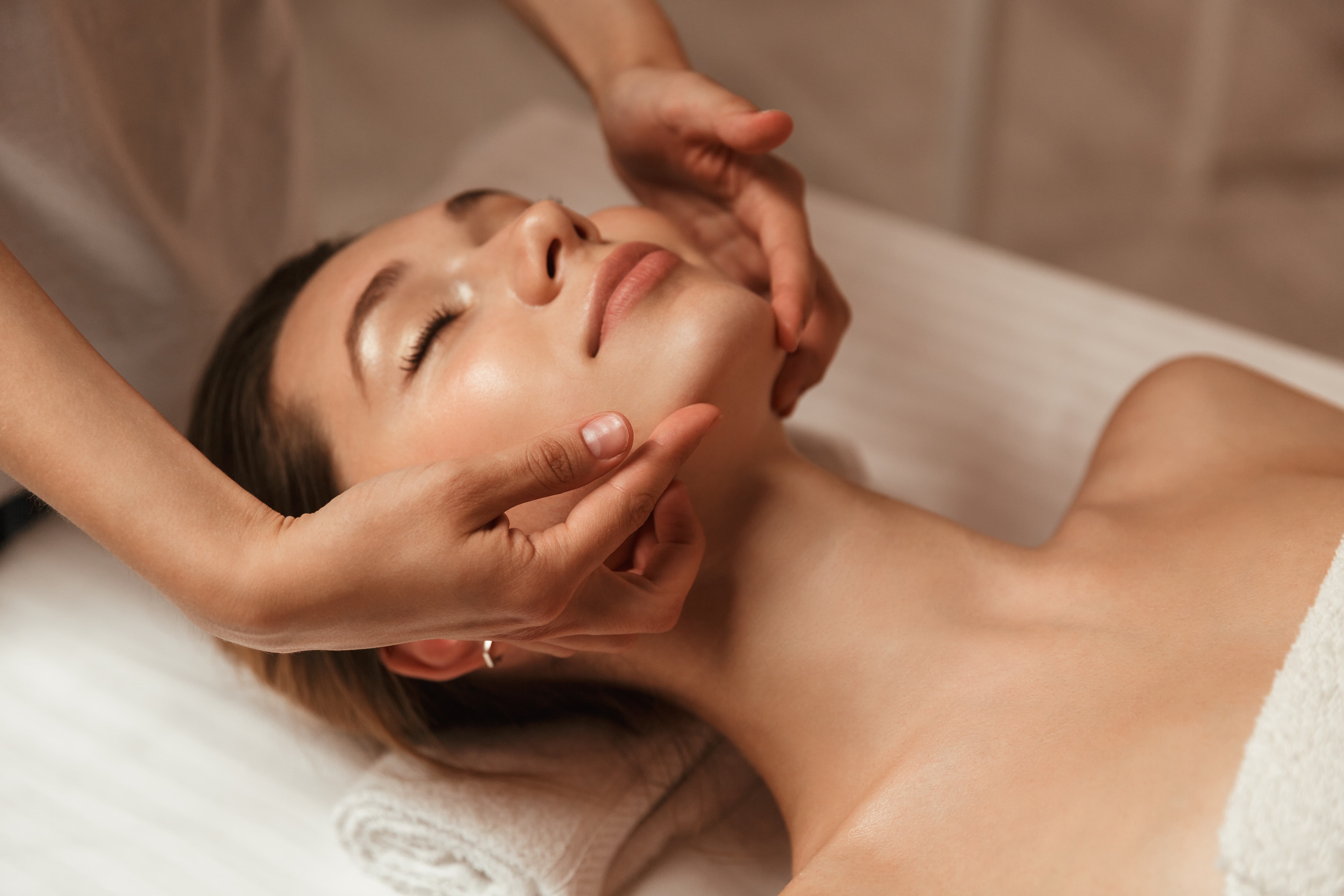
Treatment-focused wellness businesses, such as traditional spas or medical spas, are labor-conversion businesses, meaning that treatment revenue grows in direct proportion to therapist hours.
In other words, selling more treatments means paying for more therapist hours, which are also what are costing the establishment the most.
The hotel spa
The hotel spa with a treatment menu is a prime example of this spa business model in action. CBRE’s analysis of 297 hotels in the US that self-operate a spa shows that in 2024, spa revenue at the analyzed properties was at an average of 4.2% of total hotel revenue at luxury hotels, and 3.4% at hotels of other segments, which is not significant at face value.
Furthermore, this model is pressured by rising labor costs and other rising expenses that shrink the already-thin margins. Those same spa departments saw a profit decline of 0.5% between 2023 and 2024. Furthermore, margins shrank even though operators were able to reduce the cost of goods sold by 9.9%.
Medical spas
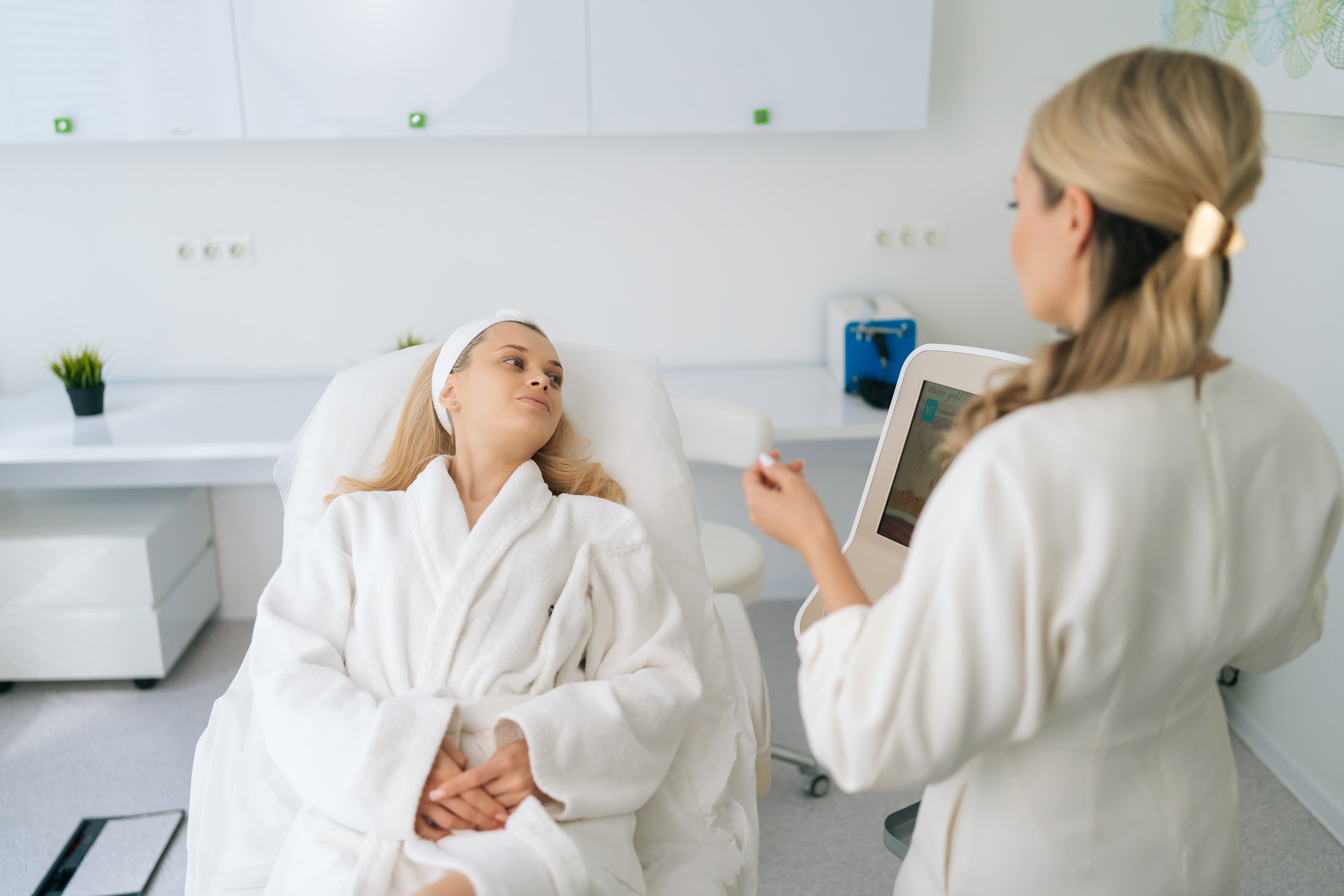
Medical spas and longevity-oriented wellness experiences also fall under this category. Here, the ticket prices are higher as the treatments are more specialized and often more invasive, such as laser therapies and IV protocols, or even full diagnostic panels.
The average US medical spa generated $1,398,833 in revenue in 2024, against roughly $778,000 for the average spa worldwide.
But as the lines between healthcare and hospitality blur, there are qualification demands that come with it. To have the proper medical oversight and licensing requires a specialized operator, which is why partnership or lease agreements are common in this business model.
The real estate-based wellness model and branded residences
Wellness experiences are often considered to be challenging in terms of margins. But you know what sector isn’t? Real estate!
According to the GWI, wellness real estate is the fastest-growing segment in the wellness economy and has averaged 23.6% annual growth since 2019. Compared to global construction, which grew 3% from 2024 to 2025, wellness real estate grew by 23% in that same period.
Especially wellness-focused branded residences could be the next big break in this category. We already know that branded residences are very margin-friendly, with the global average price premium is 33% over comparable, unbranded properties.
That said, we are still yet to see any dedicated wellness branded residences beyond what hotel brands are offering with wellness amenities. I do have a feeling this will soon change.
The membership and subscription model
Standalone spas or hotel spas often depend on the transient guest for income, meaning that the client relationship is a one-off.
More businesses than ever are now subscription-based, and it is no surprise that many choose this route. Subscriptions and membership models create a recurring and predictable stream of revenue, which helps fine-tune operations and make better investment decisions for hiring and marketing, for instance. Furthermore, businesses with predictable cash flows are valued higher by investors.
While I am dubious about the viability of hotel subscription models, spas and wellness clubs are a completely separate consideration. Wellness-focused members’ clubs are popping up everywhere as consumers are looking for third spaces to focus on their health.
The amenities in these clubs can vary but are very much in line with current spa industry trends, from saunas and cold plunges to more tech-y alternatives with hyperbaric oxygen chambers or even robot massages.
Hotel brands also want a piece, an example being Six Senses, which opened its first members’ club at Six Senses London, which has both guest rooms and branded residences.
The access model
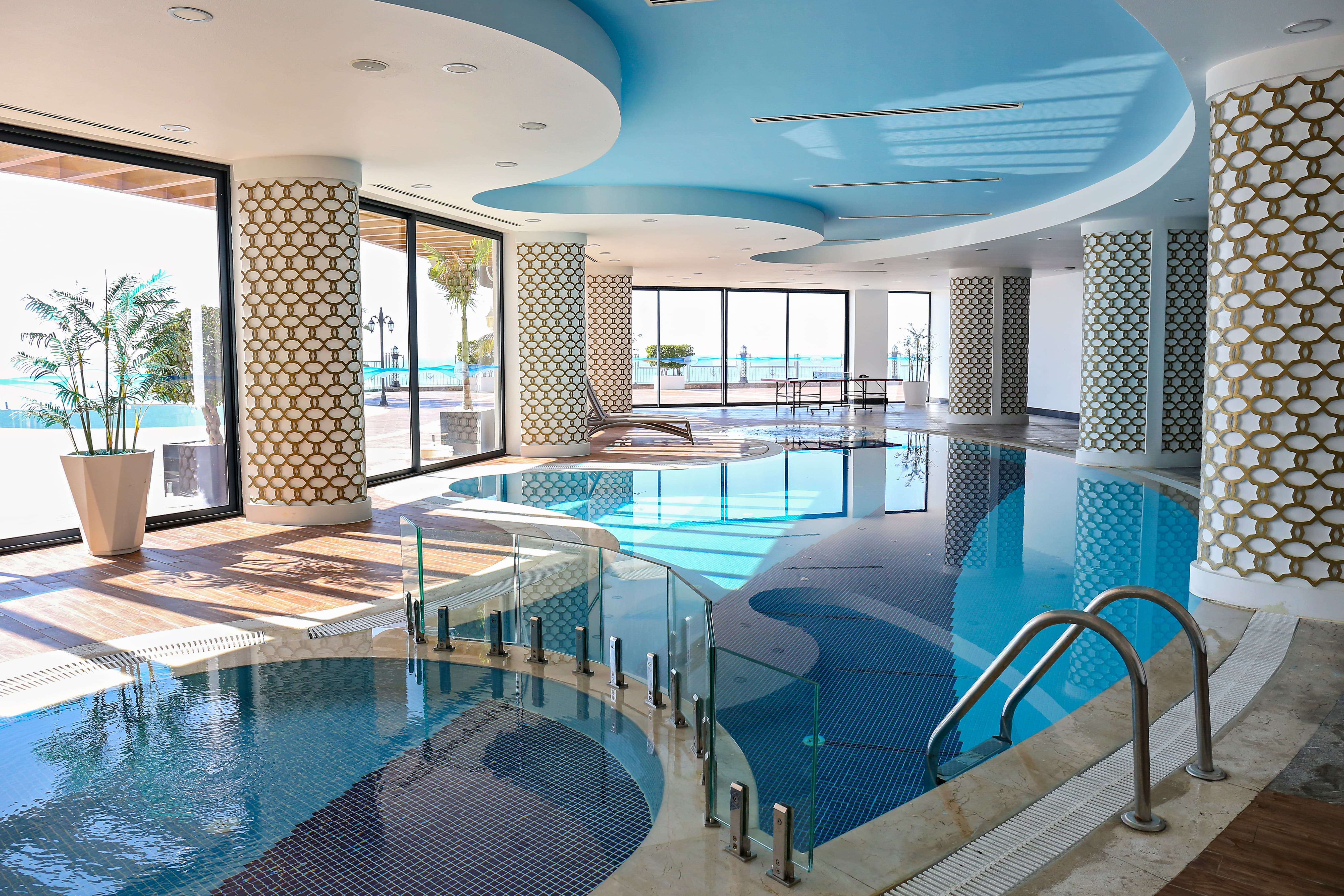
Businesses working with an access model are selling access to a facility, as opposed to a practitioner’s time, for instance. Examples include bathhouses and social sauna clubs that charge an entrance fee and let guests experience the facilities at their own pace.
Even if there is guidance, which should be standard for safety reasons and to facilitate a better experience, it is still a far less labor-intensive model than a treatment-based wellness business.
This also makes the model more scalable, as the facilities can run with less staff and thus with lower operating costs. As an example, Brooklyn-based Bathhouse reports serving around 1,000 bathers a day at two locations, which would not be as attainable if a corresponding thousand practitioner hours were needed.

That said, the access-based model can be very capital intensive. Wellness facilities, such as thermal pools, heat-based experiences, and specialized devices, are expensive to build and need continued capital expenditure. Clean, functional spaces are non-negotiable in any wellness business, especially for bathhouses and spas.
This model often exists in parallel with the membership model to allow drop-in clients to familiarize themselves with the establishment before committing to a subscription.
Where is the Wellness Industry Investment Going?
Investment in the wellness industry is going toward models with recurring or capitalizable revenue. Private equity investments have backed large-format access businesses such as bathhouses, and venture capital has funded social wellness clubs and diagnostics.
The access model in particular has attracted attention recently. In January 2026, Therme Group and CVC announced a joint venture valued at over €1 billion to expand large-format wellbeing destinations, positioning them as leisure infrastructure.
Venture capital has funded operators such as Othership and Remedy Place that focus on social wellness. Bets such as these have been made on the basis that health-centered socializing and travel are now a lasting behavioral shift.
How Should Operators Choose a Wellness Business Model?
There is no single best wellness business model. Each spa business model has a different growth trajectory, and the optimal choice depends on the asset and the market. The four models in this article are not a ranking, and there is definitely no rule that the best wellness experience also has the highest-margin business model.
What the models do determine is what growth levers the business has. A treatment business grows by adding practitioner hours, whereas an access-based model grows by adding throughput to an existing facility. A membership business grows by adding members, and in real estate the value capture happens at the point of sale and through eventual recurring fees.
These four relationships between effort and revenue explain how two wellness businesses with similar offerings can still have vastly different economics behind them. The models can also be combined, and many operators benefit from stacking more than one, for example by offering drop-in access alongside a membership.