


At a Glance
-
Luxury hotel marketing succeeds when it communicates a distinctive brand story and targets the right audience with precision.
-
Personalization plays a major role in attracting and retaining high-value guests.
-
Strong digital presence, content strategy, and brand consistency help reinforce exclusivity.
-
Effective luxury marketing focuses on experiences, emotional connection, and long-term guest loyalty rather than promotions alone.
Luxury hotel marketing isn't just regular hotel marketing with a higher budget. The audience is different, the goals are different, and the way purchasing decisions get made is different too. Affluent travelers have no shortage of options, and they hardly ever choose on price.
To satisfy this demand, a growing number of independent hotels and hotel chains are challenging traditional luxury brands, such as Ritz-Carlton, Aman, Four Seasons, and Mandarin Oriental.
One of the biggest challenges for these new entrants is creating a luxury brand strategy that can cut through the noise and help them disrupt a market that values heritage, history, and exclusivity. To do that, aspiring brands need to create something extraordinary and entice customers with their brand story.
This makes the marketing challenge quite interesting, because you're not competing on features anymore. An infinity pool is table stakes at this level, as is the Michelin-starred restaurant, the 600-thread-count linen, and the butler service.
When every property in your competitive set offers something exceptional, the question becomes: what makes yours the one someone books, returns to, and recommends without being asked?
One of the answers almost always lives in how well your marketing communicates something that goes beyond the physical product. This guide covers how to do that. It discusses the psychology of your target guests, the channels worth your attention, and what your website might be costing you in credibility.
The Psyche of Luxury Travelers
Understanding what drives affluent travelers starts with recognizing that their relationship with money is different from that of the average consumer. Price isn't a barrier or a primary consideration, it's almost beside the point.
What they're evaluating is value, and value at this level is largely perceptual and subjective. Research consistently shows that luxury purchases are driven less by functional need and more by what those purchases signal to others, and to the buyer themselves.
A guest booking a week at a high-end resort is doing more than just paying for accommodation. They're affirming a self-image, seeking a particular kind of experience, and in many cases, curating something worth sharing and experiencing again.
Roughly 55% of luxury travelers believe that documenting their experiences on social media actually enhances the experience itself, which tells you a lot about how intertwined identity and consumption are at this end of the market.
One might argue that’s shallow, but, you could also argue that certain experiences are only truly complete when you’ve had the opportunity to share them with people you care about, which isn't always possible in person. And nobody wants to send photos and videos of their trip to multiple people via WhatsApp or iMessage.
Scarcity and exclusivity also carry psychological weight. The harder something is to access, whether that's a limited-suite property, an invite-only dining experience, or a concierge service with genuine insider access, the more desirable it tends to become.
It's a well-documented feature of how perceived value works. Luxury brands that make everything too available tend to dilute the very thing that made them appealing. Trust, too, operates differently here. Affluent guests are generally skeptical of overt advertising. One study found that 75% of consumers see through traditional advertising clearly enough to tune it out.
Peer recommendations, editorial coverage, and authentic influencer content carry far more weight than a promoted post. Word of mouth among high-net-worth social circles remains one of the most powerful acquisition channels for upscale properties, which means the on-property experience and the marketing need to be pulling in exactly the same direction.
Luxury Hotel Marketing Mix
Marketing for upscale properties works best when it functions as an ecosystem rather than a collection of isolated tactics. Each channel reinforces the others, and the overall impression a prospective guest forms is built across multiple touchpoints well before they make a booking.
Getting the mix right has to do with being present and consistent in the places your target guest actually spends their valuable attention. Here's how the main channels fit together, and how each one earns its place in the strategy.
Direct and Owned Channels
Your website and direct booking channel are the foundation. Everything else you do in marketing (social, PR, influencer) ultimately drives traffic back here. A strong direct booking strategy reduces dependence on third-party platforms, protects your margins, and gives you full control over how the experience is presented.
Email also belongs in this category: a well-maintained CRM lets you communicate with past guests personally, announce exclusive offers, and build the kind of ongoing relationship that drives repeat bookings.
PR, Editorial, and Influencer
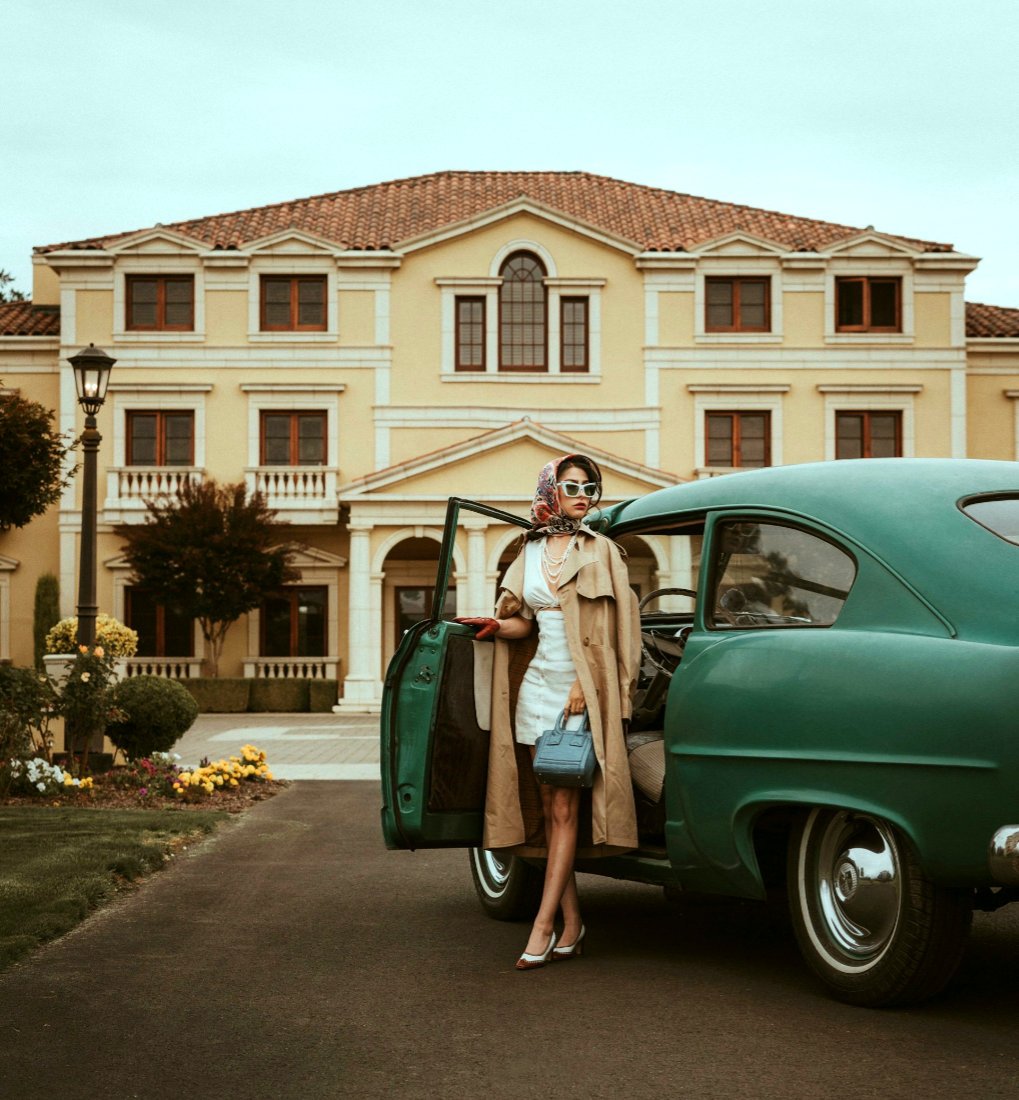
Coverage in the right publications like travel titles, lifestyle magazines, and broadsheet travel supplements carries a credibility that paid advertising doesn't. It functions as third-party validation, and for luxury travelers who are skeptical of overt marketing, that distinction matters.
Influencer partnerships work similarly, provided the partnership feels genuine and the influencer's audience aligns with yours. An authentic, well-documented stay from a credible travel creator tends to outperform polished brand content in terms of trust and conversion.
Social Media
Instagram and Pinterest remain the dominant platforms for marketing, largely because the format suits the product. High-quality visual content showcasing rooms, food, and landscapes performs well organically and gives prospective guests a credible sense of what to expect.
TikTok is worth some attention too, particularly for reaching the 25-44 demographic that now accounts for the majority of luxury goods spending. Short-form video has proven effective at conveying atmosphere in a way that static imagery can't quite match.
Loyalty and CRM
A well-designed loyalty program rewards repeat bookings and deepens the emotional connection a guest has with your property. At the luxury end, this means going well beyond points and discounts.
Personalized perks, early access to limited experiences, and gestures that demonstrate genuine familiarity with a guest's preferences are what actually build long-term loyalty.
OTAs: a necessary caveat
Online travel agencies are a useful discoverability tool, and most luxury properties maintain a presence on them for that reason alone. But they come with trade-offs: commission fees that compress margins, brand presentation you don't control, and a booking experience that feels transactional.
Guests acquired through OTAs also tend to show lower loyalty than those who book direct. The general approach for is to treat OTAs as a top-of-funnel channel: visible enough to capture new audiences, but not a platform you rely on to sustain the guest relationship.
Your Website Does More Heavy Lifting Than You Realize
There's a version of this conversation where talking about website design might feel like it doesn’t matter, and that your service and your brand’s heritage is more than enough to make an impression. To a certain demographic, that’s absolutely the case.
However, in 2026, not focusing on the way your website looks and reads is a grossly missed opportunity. Even more so for luxury brands.
For most prospective guests, your website is the first direct encounter they have with your property, and at the luxury end of the market, first impressions carry an outsized amount of weight. A recommendation from a trusted peer might bring someone to your site, but what they find there either confirms or undermines what the recommendation built.
The standard a luxury traveler expects when they land on your site is the same one they apply everywhere else in their lives. They're accustomed to things that work beautifully, load quickly, and feel nice to use.
A slow, cluttered, or visually outdated website makes for a poor user experience and also creates doubt. If the digital presence feels neglected, the assumption is that the attention to detail on-property might be too.
What premium websites tend to get right is restraint. The best ones are immersive and minimal: full-screen imagery, simple navigation, well-designed typography, and copy that's sparse enough to let the visuals do the work.
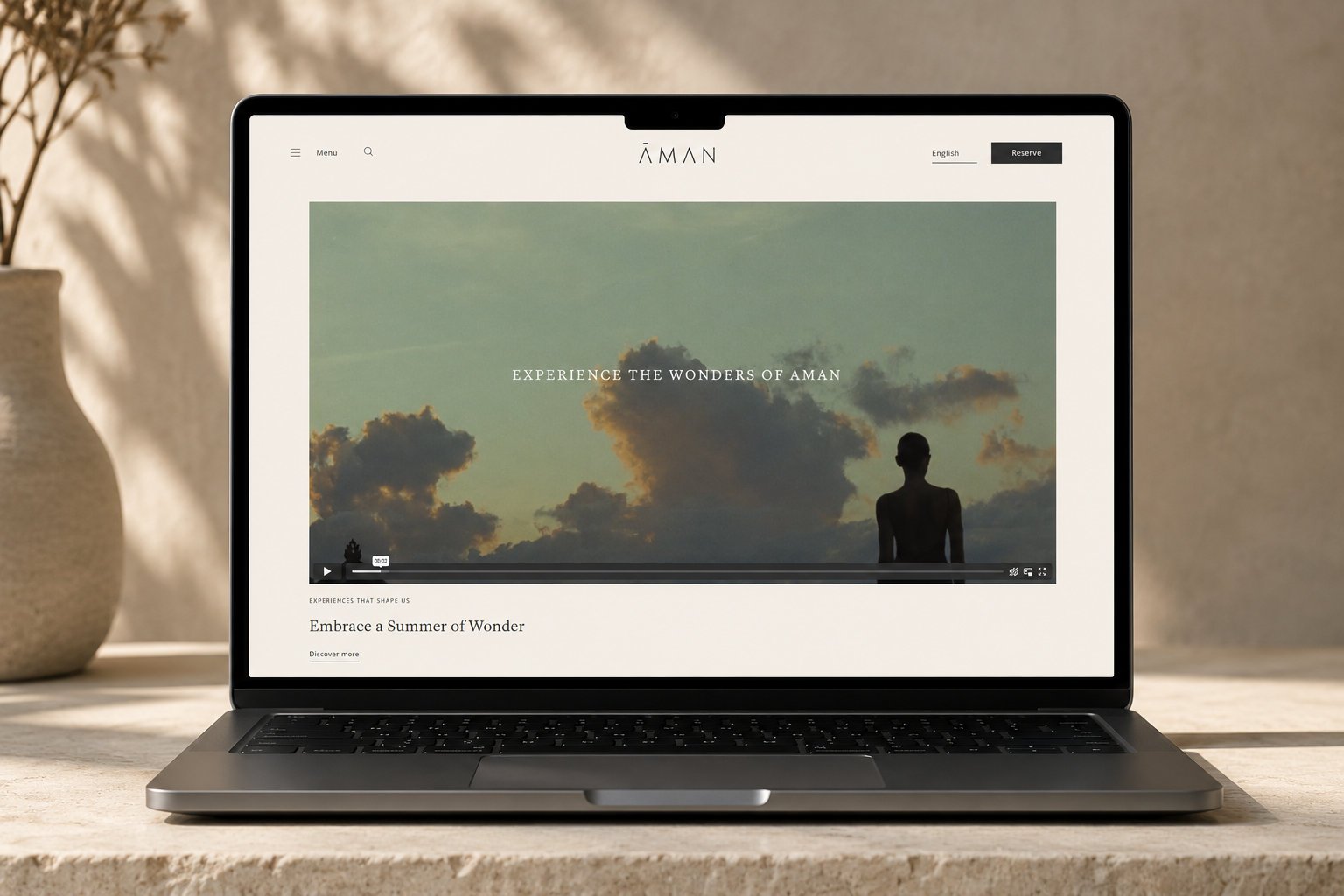
The booking process is smooth and unobtrusive. There are no desperate pop-ups offering discount codes and no banners cluttered with promotional messaging. It exudes a feeling of confidence, which is exactly what the brand should be projecting.
The details matter more than they might seem. Page load speed affects both user experience and search ranking. Also, mobile optimization is non-negotiable when a significant share of luxury travel research happens on a phone.
The quality of photography needs to be exceptional; not just professionally shot, but artfully composed in a way that does justice to the atmosphere of your property.
Actionable Strategies to Maximize Bookings
Luxury travelers are perceptive, well-traveled, and quick to spot marketing that's been recycled from a template. They've stayed in enough exceptional properties to know the difference between a hotel that has a genuine story to tell and one that's piggybacking on the language of luxury without the substance to back it up.
The following strategies work when they're grounded in the specifics of your property, your guest profile, and your market position (and tend to miss the mark when they're not). With that in mind, here's where to focus.
Use Powerful Words and Imagery
For your strategy to be effective, every customer touchpoint must be part of the same exclusive narrative. That extends to the words you use on your website, in articles, brochures, and across your social media platforms.
Those words should tell a story of exclusivity, luxury, exceptional experiences, and the highest levels of service quality. But while words are powerful, they’re nothing without imagery that reinforces your messaging.
Luxury brand consumers will not book a hotel on words alone. They want to see professional images of your interior and exterior spaces, the dining experience, and leisure facilities to ensure the aesthetics match their expectations.
You should also include images of other prominent facilities, such as swimming pools and spa areas, golf courses, gardens, and beaches or wildlife areas close to your hotel.
Finally, video content is a must-have in your marketing strategy to effectively target an audience and catch the attention of the GenZ crowd.
Put Guest Experience Front and Center
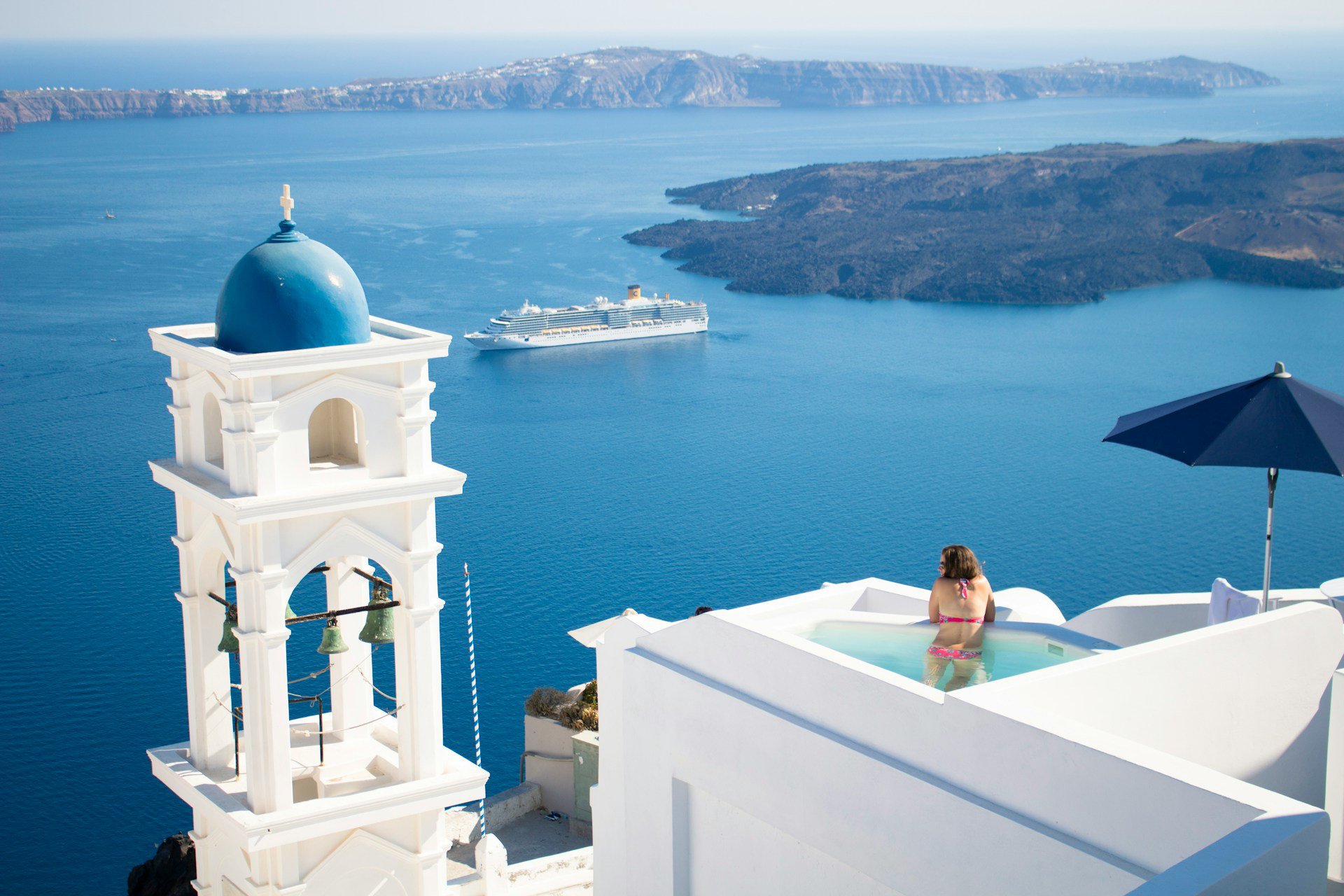
Anyone who books an upscale property pays far more than necessary for a comfortable bed. But they’re not interested in price; they care about value. They want to know how your hotel will make them feel and what experiences they’ll have, and that’s where experiential marketing comes in.
Experiential marketing allows you to showcase your value. Experiences are critical drivers behind the decisions of luxury travelers. They want to have exceptional and wonderful experiences, and it’s your job to showcase how your hotel will make them feel that. Customer-generated content can play a big part in painting that picture.
A 2019 study found that 60% of consumers were influenced by content created by consumers when making travel plans, compared with just 19% who were influenced by professional brand images. You can harness the power of consumer-generated content by curating your Instagram feed to showcase your guests’ experiences and incorporating it seamlessly into your website.
Luxury travelers are also highly active on social media, with 55% of luxury travelers believing that creating social media content increases their ability to have meaningful experiences. Hence the importance of a solid social media strategy.
Harness the Power of Storytelling
In a luxury market where everyone offers fantastic service and incredible facilities, how do you communicate in a way that sets your hotel apart? The first thing many people think about when they think about hotels in this tier is the price, but the art of storytelling and content marketing turn the focus away from the cost and onto the experience.
Storytelling goes beyond merely providing your customers with information. It enables you to create a deeper, more emotional connection between your brand and customers. An effective way to tell a story is to think about what makes your hotel unique.

It may be a historically significant building or a spa that has an interesting history all its own. Telling its origin story can set your hotel apart.
You can drive an aspirational narrative by focusing on the prestige and excellence of the hotel. You can also collaborate with successful influencers to co-create content that resonates with your audience and reflects their aspirations.
Consider this story, shared by an EHL Alumni Mael Le Pousard in an article about the value of storytelling in the restaurant business.
Years ago, I went to a restaurant in a suburb of Glasgow. To this day, I remember, and cherish that meal as one of the best restaurant experiences I have had. The story they were telling was simple: They were the proud, convivial, Scottish neighborhood restaurant.
What stuck with me, is how this story seemed to be at the core of everything they did, and how it manifested itself in every detail. The tableware crafted by the local artisan, the friendly, local waitstaff, the carefully curated whisky list, and of course, the dishes featuring the best the region has to offer. In retrospect, it was a simple experience, but it vividly stuck with me years later.
You should also think about who you’re telling your story to. People tend to associate an older demographic with expensive hotels, and while that may have been the case some years ago, now 25-44-year-olds account for 64% of the luxury goods market.
These people use social media, see beautiful images and videos online, follow travel bloggers (influencer marketing), and want to have the same experiences. They want to hear your story.
Create Emotional Connections
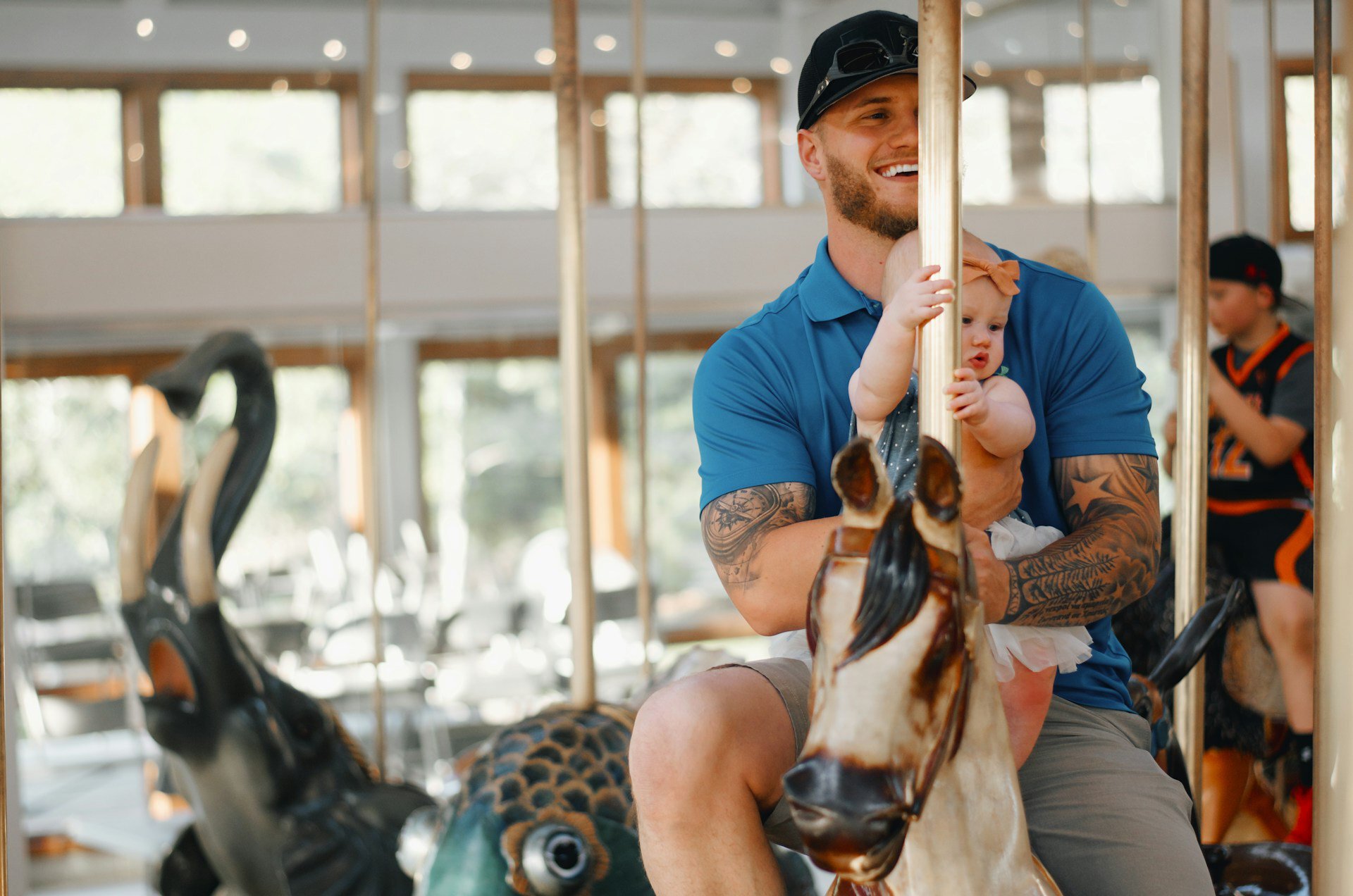
“People will forget what you said, people will forget what you did, but people will never forget how you made them feel.”
- Maya Angelou
Luxury hospitality is inherently emotional. As hotels prioritize providing comfort, enjoyment, and positive experiences, incorporating a well-designed "loyalty program" can further leverage these emotional connections to strengthen customer relationships and enhance long-term loyalty.
To benefit from the power of emotional marketing, your campaigns should not only showcase the design and amenities of your hotel. They should also focus on the way you make your guests feel.
An important part of that process is understanding what the emotional motivators for your guests are. Once you know that, whether it’s a sense of belonging, freedom, or well-being, you can leverage those insights to tell stories that help you build those emotional connections.
Find Ways to Differentiate
As of 2023, there were over 4,400 four and five-star hotels around the world, all competing for their share of a global luxury accommodation market valued at USD 97.53 billion in 2023. With so much competition, it’s essential, even in this exclusive sector, that you take steps to differentiate your hotel from the competition.
Exclusivity is a cornerstone of luxury branding. Consumers are drawn to the allure of something truly unique, and that extends from the product and service to the entire purchasing experience. By finding the unique elements of your hotel and service offering, you can create a marketing strategy that helps you stand out in the crowd.
In this market, everyone goes the extra mile for their customers and offers exclusive guest experiences, so you need to focus on the small details. Personalization and personalized services can be something that gives you the edge.
Treating all your guests like VIPs, addressing them by name, offering personalized perks (having their favorite bottle of bubbly on ice for their arrival), and providing personalized gifts for their family can lead to five-star reviews and personal recommendations.
Really going out of your way to help guests make the most of your location can also help you stand out from the crowd. Creating high-quality (and Instagrammable) guides to the local activities, eateries, and bars will help your guests fall in love with the local area and build the brand trust and loyalty that lead to repeat bookings.
Where Things Get Complicated
Execute the strategies in this guide well and you'll be ahead of most competitors in the space. But there are two strategic priorities that tend to pull in opposite directions when it comes to luxury hospitality.
These require genuine judgment about your property, your guest profile, and where you want the brand to sit five years from now.
Heritage vs Modernity
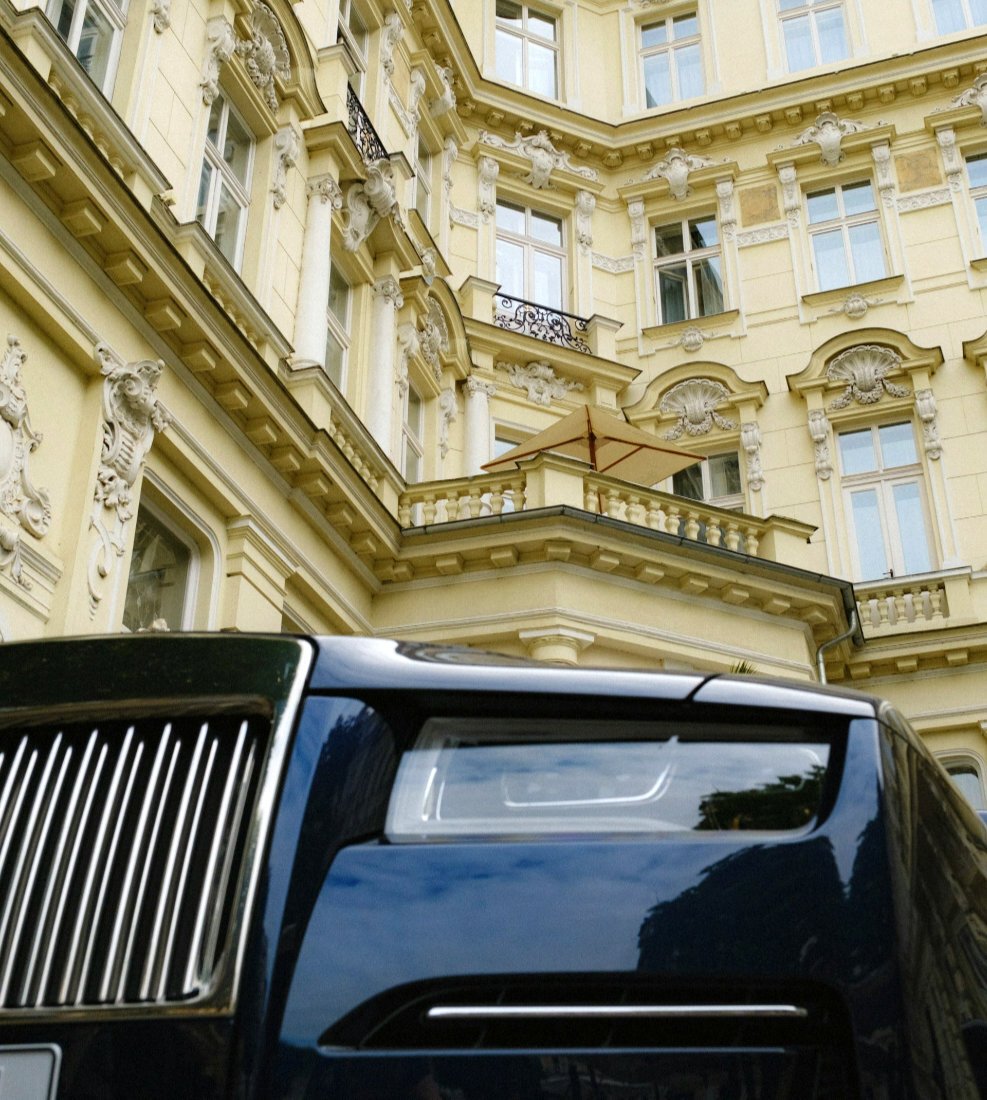
If your property has history, like a founding story, a notable past, architectural significance, or famous former guests, you can get a lot of mileage out of it.
Heritage communicates prestige and authenticity in a way that newer properties have to work hard to manufacture. For instance, the Ritz London doesn't need to explain why it's worth the rate; over a century of reputation does that work for it.
The complication arises when heritage becomes a reason to stop evolving. Guests who seek out historic properties aren't looking for a museum, instead, they want the romance and character of a storied setting combined with a contemporary standard of service, comfort, and experience.
A property that mistakes "preserving history" for "resisting change" will find that its legacy stops being an asset and starts being a liability.
Exclusivity vs Accessibility
Exclusivity is central to luxury positioning. It's part of what justifies the rate and sustains the desirability. But taken too far, it creates a discoverability problem. Properties that are genuinely difficult to find, book, or understand from the outside don’t build mystique so much as they lose bookings to competitors who make the process easier.
The accessibility question shows up most visibly in digital presence. A property that's absent from social media, hard to find organically, or sparsely listed on any platform isn't exactly being exclusive, it's just being invisible.
Guests who would have loved the property might never encounter it in the first place. Word of mouth among existing guests can sustain a property to a point, but it's a fragile strategy that leaves you exposed to occupancy gaps the moment that network stops expanding.
The resolution isn't to chase volume or make the property feel available to everyone. It's to be discoverable in the right places, to the right people, without compromising the brand experience in the process.
A beautifully maintained Instagram presence doesn't cheapen a luxury property, but a poorly handled one sure does. The goal is controlled visibility: present enough to be found, deliberate enough that everything a prospective guest encounters reinforces rather than dilutes what makes the property worth booking.
FAQs
Luxury hotel marketing is constantly evolving as guest expectations, technology, and consumer behaviors change. While exclusivity remains an important part of the luxury proposition, today's travelers also expect personalization, authenticity, and seamless digital experiences.
The following questions explore common topics that hospitality professionals, marketers, and curious travelers often have about promoting luxury hotels in an increasingly competitive global market.
What makes luxury hotel marketing different from traditional hotel marketing?
Luxury hotel marketing focuses less on price and promotions and more on experience, exclusivity, and emotional connection. While many hotels compete by highlighting affordability or convenience, luxury properties typically emphasize exceptional service, unique experiences, and brand heritage.
Marketing efforts often target smaller, highly specific audiences rather than broad consumer segments. Storytelling also plays a larger role, helping potential guests imagine how a stay will feel rather than simply listing amenities. The objective is to create desire and reinforce a property's distinctive identity rather than compete primarily on cost.
How important is social media for luxury hotels?
Social media has become an important channel for luxury hotels because it allows brands to showcase experiences visually and engage directly with potential guests. Platforms such as Instagram and TikTok can help properties highlight architecture, dining, wellness offerings, and destination experiences.
However, success depends on maintaining brand consistency and quality. Luxury brands must balance accessibility with exclusivity, ensuring that content feels aspirational without becoming overly promotional. Strong social media strategies can increase brand awareness, support guest engagement, and influence travel decisions well before the booking stage.
What role does personalization play in luxury hospitality marketing?
Personalization has become one of the defining characteristics of modern luxury hospitality. Guests increasingly expect recommendations, communications, and experiences tailored to their preferences. Effective personalization can begin before arrival through targeted marketing and continue throughout the guest journey.
Hotels may use customer data to anticipate interests, customize offers, or create more relevant experiences. When done thoughtfully, personalization strengthens guest relationships and increases satisfaction. Rather than treating every customer the same, luxury brands focus on making individuals feel recognized and valued.
How do luxury hotels attract younger affluent travelers?
Younger affluent travelers often prioritize experiences, authenticity, and flexibility over traditional symbols of status. Luxury hotels seeking to attract these guests frequently emphasize local culture, wellness, sustainability, and unique experiences rather than simply showcasing opulence.
Digital engagement also plays a larger role, as younger consumers often research extensively before booking. Transparent communication, strong visual storytelling, and experiences that feel distinctive or shareable can help luxury properties connect with this audience. While expectations may differ across generations, exceptional service remains a common factor in attracting luxury travelers.
How can luxury hotels measure marketing success?
Marketing success is typically measured through a combination of quantitative and qualitative indicators. Hotels often track booking performance, direct reservations, website traffic, engagement metrics, and customer acquisition costs.
However, luxury brands also pay close attention to guest satisfaction, reputation, brand perception, and loyalty. Not every marketing initiative produces immediate bookings, particularly when campaigns focus on long-term brand positioning. Evaluating performance across multiple measures helps luxury hotels understand both short-term commercial outcomes and the broader impact of their marketing efforts over time.
Start Boosting Your Hotel Marketing Efforts
Although many hotels implement similar marketing techniques, embracing a more personalized approach, focusing on storytelling, and marketing value over price can give you an edge over the competition. The key is to focus on what makes your hotel unique and how it makes your guests feel.
Throughout this article, we see that the keys to promoting a luxury experience all have to do with the motivations and feelings that drive luxury clients. It’s all about knowing what makes people tick.
This common theme reminds us that the essence of the hospitality industry is the focus on people. It’s a human-centric business. As a leader in the field of hospitality management training, EHL Graduate School offers programs with a human-centric focus.
These programs teach you to evaluate strategic investments, company profitability, people management, and current business challenges through the lens of putting people first. The course content is highly relevant for today's markets, with the latest knowledge, trends, and skill-based training to enhance business success.
The courses help you develop business decision-making and emotionally intelligent leadership skills, leading to greater personal fulfillment and organizational success.