



At a Glance
-
The luxury hospitality industry is evolving as travelers seek more personalized, meaningful, and experience-driven stays.
-
Luxury brands face growing pressure to balance exclusivity with expansion and accessibility.
-
Technology, wellness, sustainability, and personalization continue shaping guest expectations.
-
Long-term success depends on delivering exceptional experiences while preserving a strong sense of rarity and distinction.
The global luxury hospitality market was valued at around $154 billion in 2024. By 2029, it is expected to surpass $218 billion, with compound annual growth projected at 11.5% through 2032. These numbers suggest a sustained demand as opposed to a cyclical spike. And yet, within that growth, a more interesting change is happening at the guest level.
Generations Y and Z, set to represent 80% of the global personal luxury goods market by 2030, have a fundamentally different relationship with luxury than older generations. They are less interested in ownership and more drawn to experience, partly because the proliferation of high-quality counterfeits has eroded the status-signaling power that luxury goods once carried.
Properties can no longer rely on the tangible alone to earn loyalty, justify rates, or generate word-of-mouth. The suite, the spa, and the sommelier are expected. What distinguishes properties that guests genuinely remember and return to is almost always something harder to photograph: the quality of how they were made to feel.
This article examines what exceptional service delivery actually looks like today. It covers the framework that underpins it, the operational practices that make it consistent, and the brands that have built their entire identity around getting it right.
What Defines Exceptional Hospitality Today?

Luxury has always been easier to recognize than to define. For most of the 20th century, the hospitality industry answered the question with physical markers: grand architecture, imported marble, staff-to-guest ratios.
Those markers still matter, but they no longer settle the argument. As guest expectations have changed and the competitive field has grown more sophisticated, a clearer picture has emerged of what genuinely defines exceptional hospitality.
Anticipation > Reaction
The instinct of most service environments is to wait for a request and fulfill it well. In luxury hospitality, that standard isn't enough. Guests at this level don’t really articulate every preference, and the most memorable service moments are the ones that didn't require them to.
Anticipation is built from information; pre-arrival communication, booking history, stated preferences, and past-stay data all give staff something to work with before a guest walks through the door.
The operational question is whether that information is being captured systematically, shared across departments, and actually used, or sitting dormant in a property management system nobody consults.
Getting this right requires both the right infrastructure and a service culture that treats guest knowledge as a genuine asset. When it works, guests don't experience it as impressive. They simply feel understood, which, at this level of hospitality, is precisely the point.
Consistency Across Touchpoints
Anticipation and emotional intelligence can both be present in isolated interactions and still fail to produce an exceptional guest experience.
What converts individual moments of good service into a stay someone genuinely remembers is consistency: the sense that the same quality of attention is present at every point of contact, from the first pre-arrival email to the follow-up after checkout.
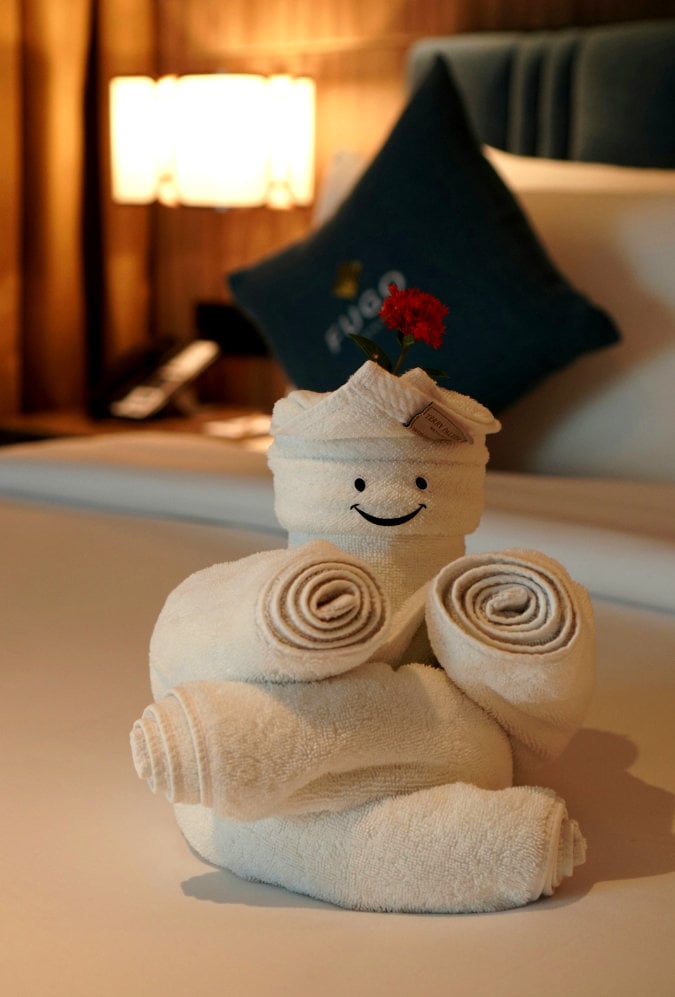
This is harder to achieve than it sounds. A property might deliver an immaculate check-in and a forgettable room service interaction. The concierge team may be exceptional while the spa reception feels indifferent. Guests don't average these out.
Guest journey mapping is the most useful operational tool for identifying where those gaps tend to appear. By tracing every touchpoint a guest encounters across the full arc of their stay, properties can move from anecdotal feedback to a structured understanding of where service standards hold and where they lack.
SOPs function best not as rigid scripts but as principle-based standards, clear enough to ensure consistency; flexible enough to allow the judgment calls that make service feel human rather than rehearsed. The goal is for the guest to never notice the system, only the experience.
Emotional Intelligence in Service
Technical service competency, like knowing the menu, managing a check-in efficiently, responding to requests promptly, is trainable to a reasonable standard in most hospitality settings.
Emotional intelligence is harder to develop and considerably more difficult to systematize, which is exactly why it separates good luxury service from exceptional luxury service.
At its core, emotional intelligence in a service context means reading a guest's state accurately and adjusting accordingly. A couple celebrating an anniversary and a solo business traveler decompressing after a difficult week may be staying in identical rooms, but they need entirely different things from the people serving them.
Staff who can read that distinction without being briefed on it (and respond in kind) create interactions that feel personal rather than procedural. That’s what it’s all about.
This extends to service recovery, which is where emotional intelligence has its highest stakes. How a problem gets handled often leaves a stronger impression than whether it occurred at all. A guest who feels genuinely heard during a difficult moment tends to become more loyal.
Soneva's approach to embedding this kind of intelligence into its service culture through deliberate language and role design is worth examining in detail. More on that later.
Staff Empowerment
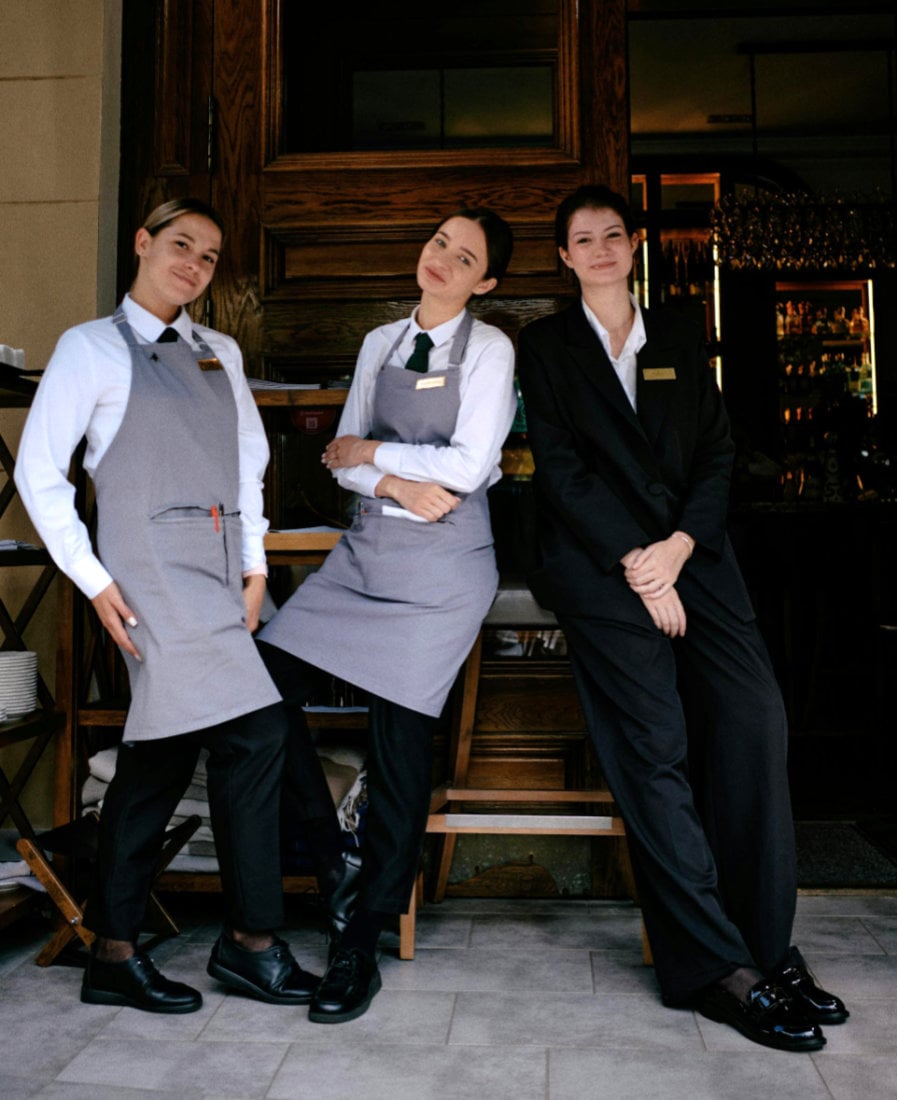
A service culture built on anticipation, emotional intelligence, and consistency ultimately depends on one thing: staff who feel trusted enough to act on their own judgment. Empowerment isn't a soft concept… It has direct operational implications.
The most cited model is the Ritz-Carlton's discretionary authority framework, which gives each staff member a per-incident budget to resolve guest issues without managerial approval. The mechanism matters less than the principle behind it: when staff know they have the latitude to make things right, they stop waiting for permission and start taking ownership.
Guests notice this change in orientation, even if they never know the policy exists. Service that comes from a place of genuine ownership reads differently from service delivered by someone checking boxes.
Empowerment also has significant implications for how luxury brands maintain service culture as they grow, which is something Aman Hospitality does really well.
Personalization as a Service Standard
The generation of luxury consumers now driving market growth includes Gen Y and Gen Z, born between 1981 and 2012. They’re set to represent 80% of the global personal luxury goods market by 2030 (Bain & Company, 2023) and they have a fundamentally different relationship with luxury than older generations.
The proliferation of high-quality counterfeits has eroded the status-signaling power that luxury goods once carried, pushing affluent younger consumers toward experiences as the primary way they construct identity and signal exclusive status.
What they are looking for, specifically, are experiences that feel authentic and personally relevant. For luxury brands, meeting that expectation requires more than good instincts. It requires deliberate service design, backed by data and delivered consistently across the guest journey.
Younger guests expect properties to know them, and to demonstrate that knowledge in how they are served.
Translating personalization into service practice means building it into every stage of the guest experience, from pre-arrival through to departure. Properties that do this well tend to draw on the following approaches:
- Establishing a pre-arrival outreach protocol in which a dedicated staff member contacts guests before their stay to confirm preferences, note any special occasions, and surface any requirements that would otherwise only emerge at check-in.
- Empowering front-line staff with access to guest preference data at the point of service so that personalization is a property-wide capability rather than a front-desk function.
- Building service recovery into the personalization framework: when something falls short, the response should be tailored to the individual guest rather than drawn from a standard compensation menu.
- Conducting post-stay follow-up that goes beyond a satisfaction survey; a brief, personalized communication that acknowledges specific moments from the stay and invites the guest to share anything that could inform their next visit.
- Developing staff training that builds cultural fluency alongside service skills, equipping teams to adapt their communication style, pace, and approach to guests from different backgrounds without defaulting to a single service register.
- Using post-stay data not just to refine individual guest profiles but to identify broader patterns in what guests found most meaningful, and feeding those insights back into service design and staff training cycles.
When Hospitality and Lifestyle Brands Converge
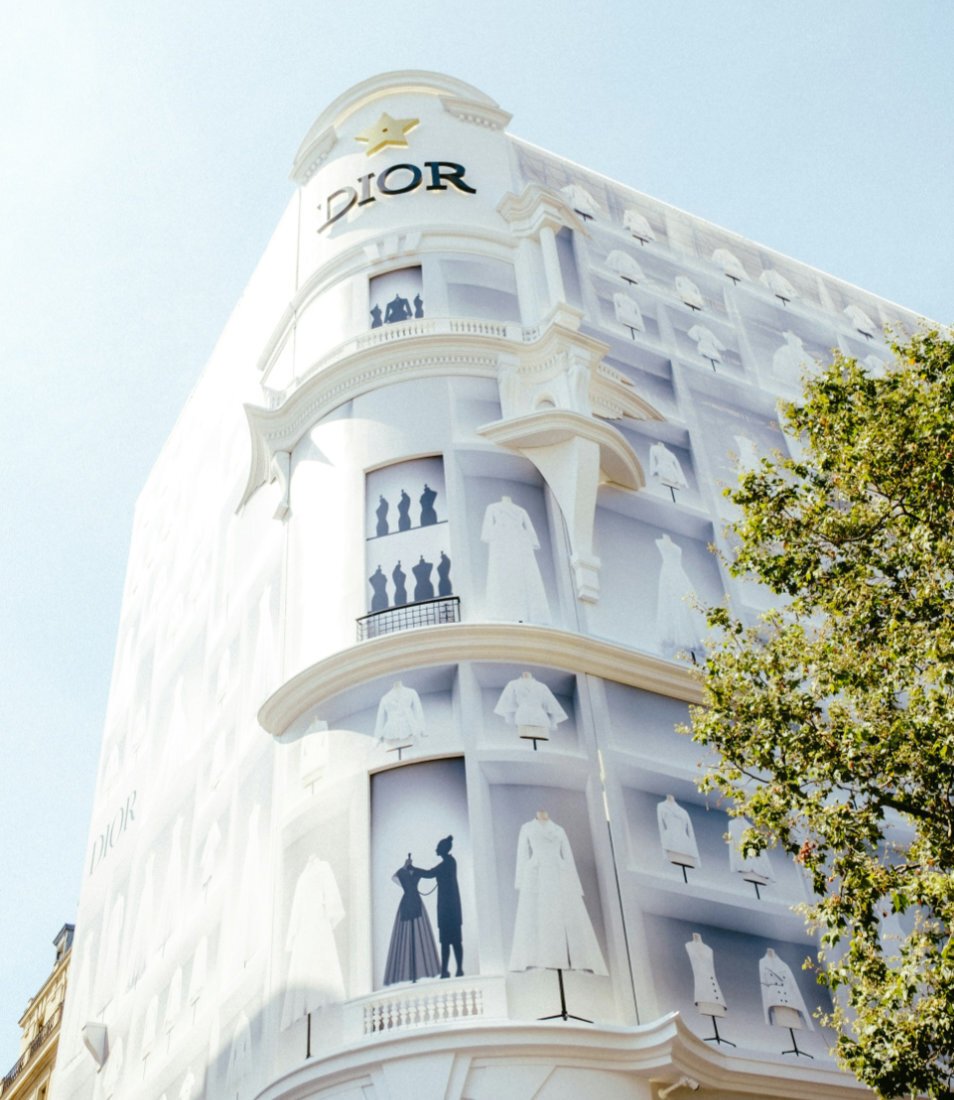
Experiences span dimensions that are not bound to extant categories and sectors. If brands want to provide extraordinary experiences, they must combine products and services innovatively.
In short, hospitality and retail boundaries are blurring. Examples include:
- Four Seasons have started including luxury watches and bags in their offerings that guests can access during their stay. Imagine staying at a Four Seasons hotel and borrowing a luxury watch to wear to the opera.
- Audemars Piguet have opened their own hotel in their hometown of Le Brassus in the Swiss Jura mountains, allowing visitors to spend time in the world of Audemars Piguet.
- Dior have expanded their chain of branded spas in luxury hotels worldwide. The spas are outfitted in Dior textiles and allow guests to experience “Dioriginel” beauty rituals, which bring to life the brand’s stories and values.
The blurring boundaries underline the realization of luxury where luxury brands can be consumed in an access-based, dematerialized and ephemeral way.
Materialist luxury consumers care less about buying luxury goods; they simply want to feel close to the brand. Thus, renting or accessing luxury products temporarily scratches the itch the same way as buying does, but at a much lower price point. This is a scarcely exploited opportunity for hospitality.
Ironically, however, the global demand for physical luxury goods is booming. This poses an existential challenge for luxury brands: how can they meet ever-growing demand without diluting the core foundation of their brands: exclusivity?
So far, brands have resorted to rationing the products they sell: the demand is so high for some luxury brands that there are 10-year waiting lists for their products. However, this creates another problem: frustration on behalf of many potential customers.
Offering experiences has proven a successful strategy. Producers of luxury products have realized this and are switching elegantly between physical goods and experiences to promote their brands and values.
Delivering Exclusivity at Scale
More and more customers value personalized and meaningful luxury experiences, and consequently, hospitality and retail have joined forces to meet this demand. As is the case with physical luxury goods, the demand for luxury experiences is growing too.
Yet, how to remain rare and exclusive while growing is a classic challenge luxury hoteliers are facing. This is a difficult balance to achieve because as the hotel brand expands and attracts more guests, it can become more difficult to maintain an aura of exclusivity.
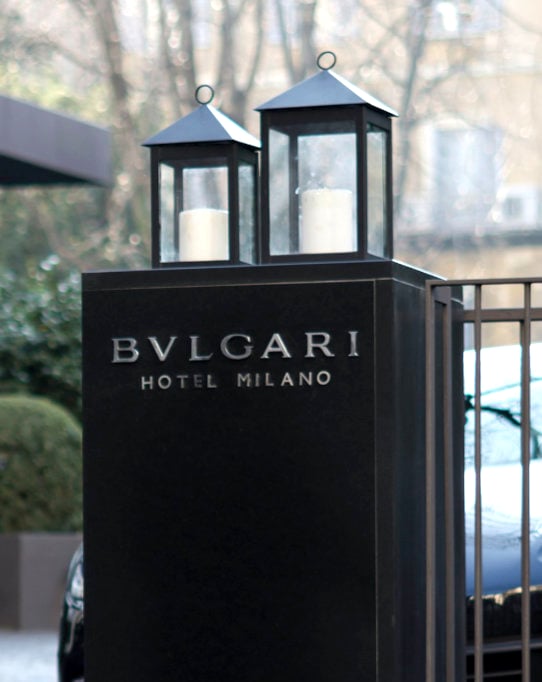
Über-luxury hotels are well aware of this danger. For example, the group executive vice president of Bulgari Hotels said they would probably limit their number of hotels to 10 worldwide and One&Only Resorts CEO said they would set the limit at 35.
This tactic has been used by brands such as Ferrari and Hermès. Ferrari reduced the number of cars sold in 2013 to reinforce its image of exclusivity, while Hermès stopped production of products as soon as they became too popular.
Thus, this is one strategy that luxury hotels can employ to maintain their exclusivity and generate sustainable growth by increasing prices and reducing the number of available rooms.
Another approach is to implement a dual management system like Hyatt did with their Park Hyatt brand. By separating the high-end properties from the more mainstream offerings with a different brand name, luxury hotel chains can cater to both price-conscious and luxury demographics while ensuring the long-term establishment of their brands.
A further alternative is to focus on the customer experience. Luxury hotels can differentiate themselves by providing exceptional and personalized service, creating unique experiences, and offering exclusive amenities that are not available elsewhere.
By providing unparalleled service and creating memories that guests will cherish, luxury hotels can establish themselves as truly exclusive and rare.
Case in Point: Aman Resorts
Aman Resorts is a case that illustrates an organization’s ability to balance the challenge of exclusivity versus growth. Aman (“peace” in Sanskrit) was created by hotelier Adrian Zecha who opened his first boutique resort, Amanpuri, in Phuket Thailand in 1988.
Exclusive privacy, exceptional service, sensitive architecture, and extraordinary locations made Aman a top choice for affluent guests.
Known for cultivating the art and science of being one step ahead of guests, it is a practice between the properties to share files of guests containing information that highlight their extreme attention to detail (e.g., a guest’s preferred time to have lunch, type of pillows requested during last stay, etc.).
Vladimir Doronin acquired Aman Resorts in 2014 and its portfolio has grown to 34 properties across 20 destinations, 15 of which are located close to or within UNESCO-protected sites.
To respond to the changing preferences and needs of the Aman guest, the hospitality group has expanded into urban sites (Aman New York opened in 2022) while maintaining the specificity of the brand including use of generous space and cultural heritage, discreetness, simplicity, and elegance.
In 2020, Aman launched Janu (“soul” in Sanskrit), a brand that would distinguish itself from the sanctuary sister brand by focusing on human connectedness and social wellness.
As luxury brands have expanded into hospitality such as the development of Versace, Dior, Bulgari and Armani designed hotels, and the notable acquisition of Belmond by LVMH in 2018, Aman has done the reverse.
Aman has no loyalty program, yet their loyal guests and fans (known as “Amanjunkies”) identify very strongly with the brand. It is not uncommon for guests to plan their holidays according to the location of Aman worldwide and post stories about their numerous stays on Instagram.
Aman’s strong brand identity, coherent with its brand image, has enabled a horizontal brand expansion into soft luxury goods. In 2018, Aman launched its lifestyle brand “Aman Essentials” expanding into skincare, wellness, ready-to-wear and a leather collection of handcrafted accessories and bags.
Since 2022, their luxury goods have been available beyond Aman properties, for example at Harrods, the world’s leading luxury department store in London. Aman Essentials continue to expand their product development pipeline, which now includes homeware, childrenswear and fine jewelry.
Customer Experience vs Sustainability
Sustainability and luxury have long been framed as competing priorities. The association of luxury with abundance: expansive private spaces, imported materials, resource-intensive amenities sits uneasily alongside the demands of responsible operation.
Research supports the tension: consumers consistently associate sparsely populated, generously proportioned spaces with higher prices, higher social status, and a more exclusive experience (Clayton O'Guinn et al., 2015). Flying private emits 14 times more carbon per passenger than a commercial flight (Saner, 2023).
Business and first class cabins take up six times the space of economy, making them up to nine times as polluting per passenger according to World Bank data.
These are legitimate constraints, but framing sustainability as inherently at odds with exceptional guest experience misses what the most progressive properties have demonstrated: that the two are reconcilable, and that sustainability handled well can itself become a dimension of service excellence.
Case in Point: Soneva
Soneva is a case that illustrates an organization’s ability to deliver a luxury experience while being sustainable. Soneva was founded by Sonu Shivdasani and Eva Malmström Shivdasani (the company name comes from the owners’ combined names) in the Maldives in 1995.
Their first resort, Soneva Fushi, was followed by Soneva Kiri in Thailand and Soneva Jani in the Maldives. Soneva pioneered and practiced sustainable hospitality well before sustainability became the center of attention in the industry.
At Soneva, language is perceived as a powerful artifact and is deliberately used to shape desired behaviors to create and reinforce a corporate culture where sustainability and customer experience is at the heart of the business model.
For example, “hosts” are used instead of “employees”, “Guardian of Experience” instead of “Head of Operations”, and “Guardian of the Culture” instead of “CEO” to highlight the importance of driving key behaviors, including the protection of biodiversity and habitats in and around the resorts.
By defining luxury as rare, novel, and authentic, the founders designed experiences around “intelligent luxury”, “slow life”, and “no news, no shoes” policy. Their philosophy lies in disconnecting from urban life and reconnecting with nature and what is local, organic, and sustainable.
The resort’s villas have been built with sustainable resources around existing trees (so as not to cut them down) and are equipped with solar panels, recycling facilities, organic gardens, biodegradable cleaning products, edutainment activities to teach guests to appreciate and protect marine life and the local environment.
One example is water and plastic. Soneva banned plastic drinking straws in 1998 and stopped importing bottled water in 2008. They assisted in establishing a water bottling plant that desalinates and mineralizes sea water before bottling it in reusable glass bottles.
Filtered water is provided to Soneva guests, a process that proved to be ecological, healthier for guests (higher quality water due to its freshness) and financially sound. Soneva saves about 18% on the cost of water while providing clean water to about a million people.
All water revenues go to community projects in the Maldives where Soneva works, with the commitment of the government, on eliminating single plastic use on the local islands.
Another example is carbon emissions. Since 2008, Soneva measures all three scopes of carbon, which include direct emissions (scope 1), indirect emissions (scope 2), and external factors such as guests flying into the resorts or supplies being delivered (scope 3).
In general, the hospitality industry measures scope 1 and scope 2 using the carbon calculator developed by the WTTC (World Travel Tourism Council) and the ITP (International Tourism Partnership).
On average, a guest’s round trip to Soneva will result in emissions of around one metric ton of CO2. As a solution, Soneva added a mandatory two percent environmental levy to the guests’ bills to offset the emissions.
Over the years, this raised $8-9 million for the Soneva Foundation which provided half a million trees in the North of Thailand, a one and a half megawatt windmill in India, and efficient cook stoves in Myanmar (known to have one of the fastest rates of deforestation due to use of wood for domestic open fire cooking, which also leads to carbon emissions and premature deaths linked to respiratory problems).
Since 2012, Soneva has been fully carbon neutral. Soneva strongly believes and acts in a way that sustainability, luxury experience and profitability go hand in hand.

FAQs
The luxury hospitality industry continues to evolve as guest expectations, technology, and consumer values shift. While exceptional service remains at its core, luxury today encompasses far more than premium accommodations and exclusive amenities.
Travelers increasingly seek personalization, authenticity, and meaningful experiences. The following questions explore some of the most common topics surrounding luxury hospitality and provide additional perspective on where the sector is heading.
What defines a luxury hospitality experience?
A luxury hospitality experience is typically defined by exceptional service, attention to detail, and a high degree of personalization. While premium facilities and amenities remain important, many travelers now associate luxury with how a stay makes them feel rather than simply what is provided.
Anticipating guest needs, delivering seamless service, and creating memorable moments often have a greater impact than physical features alone. As expectations evolve, luxury increasingly centers on individualized experiences that reflect a guest's preferences, interests, and lifestyle.
How is the luxury hospitality industry changing?
The industry is adapting to changing consumer priorities and a broader definition of luxury. Today's travelers often value authenticity, wellness, sustainability, and local experiences alongside traditional markers of prestige. Technology is also influencing how luxury services are delivered, from personalized recommendations to seamless digital interactions.
At the same time, luxury brands face growing pressure to maintain exclusivity while expanding into new markets and customer segments. These shifts are encouraging operators to rethink how they create value and differentiate themselves.
Why is personalization so important in luxury hospitality?
Personalization helps create experiences that feel unique to each guest rather than standardized across all visitors. Luxury travelers increasingly expect businesses to understand their preferences and deliver services that reflect individual needs. This can include customized dining experiences, tailored itineraries, preferred room settings, or personalized communications.
Effective personalization strengthens emotional connections and increases guest satisfaction. In a competitive marketplace where many properties offer similar facilities, the ability to deliver highly relevant experiences often becomes a significant point of differentiation.
What role does sustainability play in luxury hospitality?
Sustainability has become an increasingly important consideration for both operators and guests. Many travelers want to enjoy premium experiences while supporting businesses that manage resources responsibly and contribute positively to local communities.
Luxury hospitality brands are responding through initiatives related to energy efficiency, waste reduction, sourcing practices, and environmental stewardship. The challenge lies in implementing sustainable practices without compromising guest expectations. Successful operators demonstrate that environmental responsibility and exceptional hospitality can complement rather than compete with one another.
What careers are available in luxury hospitality?
The luxury hospitality sector offers opportunities across a wide range of disciplines. Traditional career paths include hotel operations, guest relations, food and beverage management, concierge services, and event management.
However, growth in areas such as wellness, sustainability, digital marketing, customer experience, and luxury brand management has expanded the range of available roles. Because luxury hospitality places strong emphasis on service excellence and relationship building, professionals often develop transferable skills that can support careers across multiple sectors within the luxury economy.
In Summary
In conclusion, the trend of offering personalized meaningful experiences will undoubtedly continue in the future. Moreover, hospitality’s efforts to reconcile exclusivity versus growing demand, and customer experience versus sustainability will drive the industry moving forward.
The two case studies demonstrate that a strong brand identity and image, technology, and collective intelligence enable luxury hospitality companies to generate innovative solutions that respond to these dichotomous challenges and the evolving market.




.jpeg?width=403&height=266&name=luxury-retail%20(1).jpeg)