




As sustainability reshapes global travel, Switzerland stands as a model of balance between environmental stewardship and premium hospitality. From locally sourced dining to green certifications, sustainability has evolved from a marketing term into a measurable performance standard.
In today’s travel industry, Regenerative Hospitality is an emerging paradigm shift that goes beyond traditional sustainability to actively improve and enhance places and communities at the destination level rather than merely reducing harm to them. This approach aligns with Switzerland’s longstanding commitment to harmony between tourism and nature, positioning the country as a living example of how destinations can thrive through responsible innovation.
Research carried out at the University of Queensland shows that tourism now generates between 8-9% of global greenhouse gas emissions, highlighting the need for responsible transformation. Yet, what “sustainability” means varies greatly among travelers. To design effective offers, hospitality professionals must first understand who the sustainable tourist is and how they define value.
The Research: Understanding Sustainable Tourist Behavior in Switzerland
Researchers at EHL Hospitality Business School conducted a three-phase study to explore how tourists who visit Switzerland interpret and practice sustainability.
- Expert interviews identified which sustainable behaviors Swiss hospitality providers already offer or prioritize.
- A representative survey of travelers from Switzerland, Germany, the UK, the US, the Netherlands, and France examined real behaviors during their Swiss holidays.
- Machine-learning segmentation then grouped respondents into seven behavioral profiles representing distinct sustainability mindsets.
The result was a data-driven typology that reveals how deeply sustainability is integrated into tourists’ lifestyles and decision-making processes.
“Sustainability in the travel and tourism sector means for me to create awareness among the guests for the environment as well as for the local cultures and traditions. […] It also means distributing income based exclusively on the travel and tourism sector in a fair way and creating offers that support the local population.” - CH, 34 years old.
Understanding Sustainable Tourist Types in Switzerland
Regionality-Driven Green Tourists
Size: roughly one in four travelers

These travelers view sustainability as a way to support local communities and preserve cultural heritage. They value authenticity, regional cuisine, and locally produced goods. Hotels and tour operators can appeal to them by showcasing provenance, craft, and fair-trade partnerships.
“Sustainability in tourism means creating awareness among guests about local cultures and distributing income fairly. ” - Swiss participant, age 34
Learn more about Switzerland’s national approach via Switzerland Tourism’s Swisstainable Initiative.
Opportunist Non-Green Tourists
Size: around one in five travelers
This group values comfort and convenience more than sustainability. They’ll engage in green actions only when it is easy or cost-free, such as reusing towels or trying to avoid wasting food at the buffer. Subtle nudges, rather than moral appeals, work best with this segment.
Research over the years supports this, showing that convenience remains one of the strongest predictors of sustainable consumer behavior.
Price-Sensitive Non-Green Tourists
Size: about one in six travelers
These tourists perceive sustainability as too expensive. They tend to prioritize affordability and may avoid eco-labeled services they associate with higher costs. Offering value-focused sustainable choices or bundled packages can improve uptake.
According to Booking.com’s Sustainable Travel Report (2023), 43% of travelers believe sustainable options are “too expensive,” even though many express a desire to engage in green tourism.
Image-Driven Green Tourists
Size: roughly one in eight travelers

These individuals already identify as “naturally sustainable.” They spend time doing outdoor activities, hike, and eat locally sourced food but see no need to “buy” additional sustainability credentials. Hospitality brands can engage them through authenticity and nature-connected experiences.
Delegating Green Tourists
Size: around one in ten travelers
The EHL study on Green Tourism in Switzerland identifies different sustainable tourist segments, including those who “delegate” sustainability. Representing roughly one in ten travelers, these tourists rely on credible certifications, carbon offsets, and verified labels to ensure their travel is environmentally responsible. They are motivated less by personal action and more by trusting recognized standards, making them highly responsive to transparent eco-certifications and green badges. Understanding this behavior helps Swiss hospitality providers design targeted offers and communications that align with the expectations of this segment.
Green Enthusiasts
Size: approximately one in ten travelers

These travelers live and breathe sustainability. It defines their identity and lifestyle. They want to visit hotels with zero-waste kitchens, circular design, and measurable impact reporting. They are ideal targets for premium sustainable offers.
Recent data suggests that sustainable tourism market size will grow by USD 335.93 billion from 2022 to 2027, underscoring this trend.
Non-Green Skeptics
Size: a small minority (less than one in ten travelers)
These tourists distrust sustainability messaging and view it as marketing hype. Overemphasizing eco-friendly practices can create resistance. Hospitality brands should instead emphasize comfort, quality, and authentic service excellence.
What This Means for Hospitality Leaders
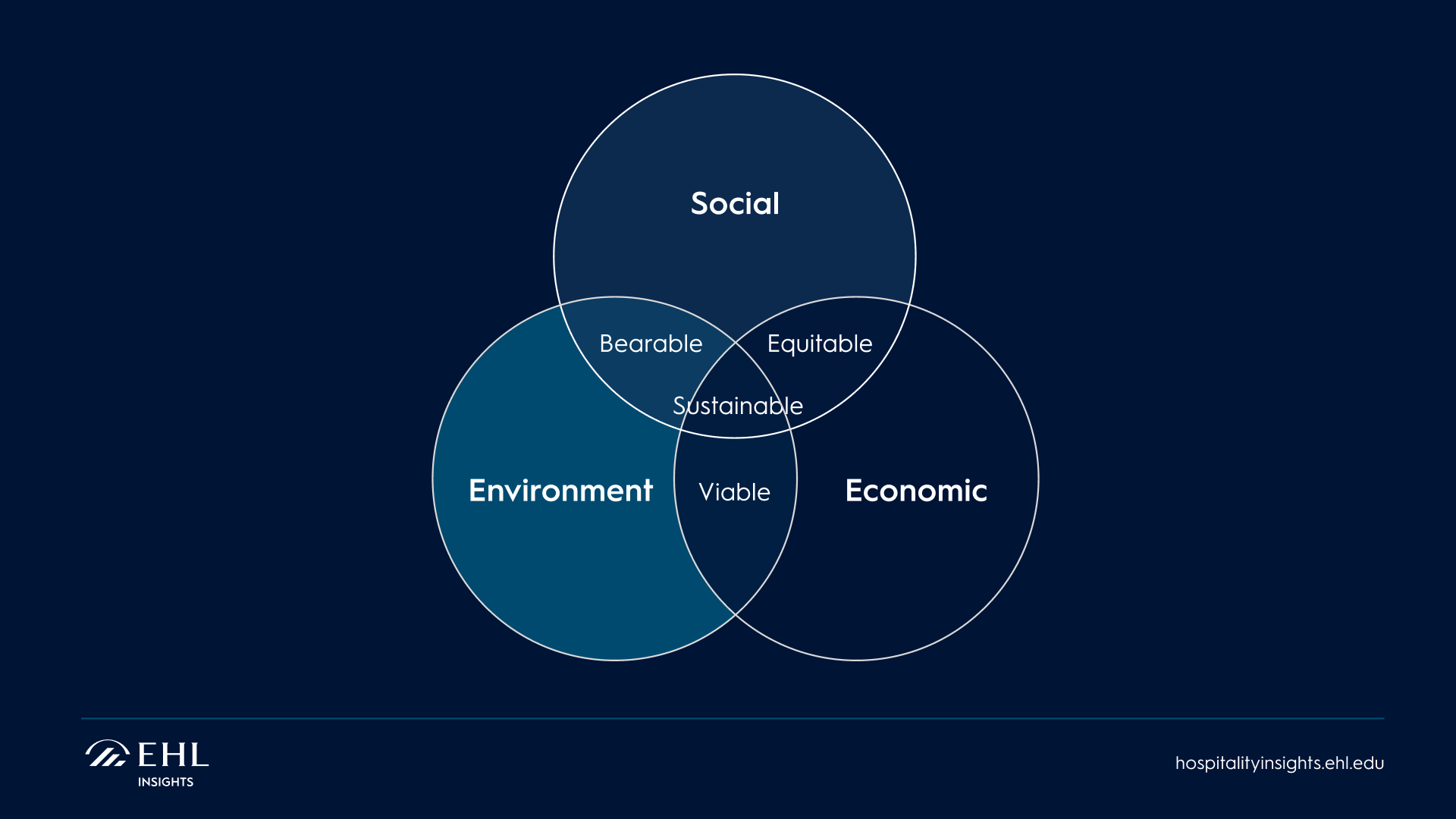
EHL’s findings reveal that over half of tourists in Switzerland fall within the Regionality-Driven, Delegating, and Green Enthusiast segments. These visitors have a positive attitude toward sustainability and are willing to pay more for offers that reflect their values.
However, broad green messaging risks alienating others. Success depends on targeted communication that aligns sustainability with the guest’s self-image and motivations.
Strategic takeaways for hospitality leaders
- Design for authenticity: Showcase regional partnerships, community benefit, and traceable sourcing.
- Communicate credibility: Use verified sustainability labels and transparent performance data.
- Balance inclusivity: Provide accessible sustainable options for cost-conscious guests.
- Educate through experience: Integrate sustainability into guest interactions through storytelling and behavior design.
The findings align with EHL’s Institute of Customer Experience Management research on cultural alignment and behavioral design for sustainable service.
The Future of Sustainable Tourism in Switzerland
Sustainable tourism is no longer an optional feature; it is a core pillar of competitive hospitality. Yet, this research confirms that “sustainability” holds different meanings for different travelers.
By understanding and responding to these seven segments, Swiss hospitality businesses can build experiences that resonate across audiences, support communities, and enhance environmental responsibility.
Through innovation, education, and authentic design, EHL and its partners continue to advance the vision of hospitality that sustains people, places, and purpose.