


In today's luxury landscape, exclusivity alone is no longer enough. High-value travelers increasingly seek seamless, personalized experiences that maximize both comfort and time. Private aviation has emerged as one of the clearest expressions of this shift, offering a level of flexibility, privacy, and service that commercial travel cannot easily replicate.
Once reserved almost exclusively for billionaires and corporate executives, the sector is evolving through new ownership models, on-demand charter services, and membership programs that are expanding access to affluent travelers. As customer expectations continue to rise, private aviation provides a compelling case study in how premium brands can create differentiated experiences, build loyalty, and capture value in the growing luxury economy.
At the same time, private aviation is becoming increasingly integrated into the broader luxury travel ecosystem. No longer viewed solely as a symbol of status, it is now considered by many high-net-worth travelers as part of a seamless end-to-end journey, alongside luxury hotels, bespoke experiences, private transfers, and concierge services. This evolution raises an important question: does private aviation remain the ultimate expression of exclusivity, or is it becoming a more accessible segment of the luxury market?
In this article, we explore how the private aviation industry has evolved, examine the differences between corporate and personal private travel, and assess the opportunities and challenges shaping its future.
Paradigm Shifts in Flying Private
To understand where the industry is today, it helps to look back at how we got here. The private jet industry has been around since the early 1960s, and it has spent decades evolving to fit the lifestyles of a bunch of different types of travelers.
The real turning point started around 1966 when the first Gulfstream II jet was built. That plane completely changed the game and set a whole new standard for what a large-cabin private jet could be.
By the 1970s, massive planes like the Boeing 747 and the 747 VIP private jets entered the scene and started flying their routes. Because the demand for private flights was growing so fast, the world's first dedicated private jet airport “Paris Le Bourget” was built in 1980.
Since then, popularity has just kept climbing, and today, the private jet industry has completely changed how the high-end hospitality and travel worlds operate. What started as an exclusive luxury for a tiny handful of people has slowly turned into a highly organized, necessary part of global travel.
Drivers of the Private Jet Boom
To understand why private jets are thriving, you have to look at the massive change in global travel patterns over the last few years. While the broader commercial airline market faced highly unpredictable and prolonged recovery times following recent global disruptions, the private aviation sector experienced a major demand boom.
Long-term fleet data from the General Aviation Manufacturers Association (GAMA) highlights that the global business aircraft market has maintained a steady upward trajectory for years, with North America and Europe firmly dominating over 80% of the worldwide fleet.
This resilience comes at a time when the International Monetary Fund (IMF) projects steady global economic growth of around 3% annually, which directly fuels corporate and luxury spending. So, what exactly is driving this growth? It comes down to a few core factors:
- The Premium on Time-Saving: For the world's leading professionals, time is quite literally money. Private air travel completely eliminates the friction points of commercial flying. Instead of arriving hours early to deal with bag checks, liquid restrictions, and long security lines, passengers can show up minutes before departure and walk straight onto the plane.
- Unmatched Infrastructure Access: One of the biggest logistical advantages is airport accessibility. While commercial flights are restricted to major hub airports, smaller private aircraft can utilize thousands of secondary, regional airports worldwide. This allows travelers to land significantly closer to their final destinations, cutting out hours of ground transit.
- In-Flight Productivity: The extra space, privacy, and quiet of a private cabin turn the aircraft into a mobile office. For corporate teams, this means the flight isn't dead time; it's an opportunity to hold confidential meetings, take calls, and work without interruption.
- The Rise of Wealth Concentrations: The expansion of the market is also closely tied to a rising global demographic of High-Net-Worth Individuals (HNWIs) and Ultra-High-Net-Worth Individuals (UHNWIs). Industry forecasts consistently show that as wealth segments expand globally, the direct demand for business aircraft and charter services scales right along with them.
Ultimately, the private jet boom is driven by a practical, macro-level demand for efficiency, flexibility, and a seamless travel experience that commercial airlines simply aren't built to provide.
Corporate vs Leisure Aviation
While the underlying machinery of private aviation remains the same, the motivations driving a corporate executive onto a tarmac are entirely different from those of a leisure traveler.
To understand the market's expansion, we have to look at how operators tailor their services to satisfy these two distinctly different demographics.
The Corporate Imperative: Operational Agility and Corporate Governance
For the corporate sector, private flight is hardly ever viewed as an indulgence. Instead, it operates as a specialized tool designed to maximize executive output and ensure business continuity. Corporate travel thrives on extreme flexibility.
Business jets are typically ready to deploy within just a few hours of notice, allowing corporate teams to adapt to fluid, fast-moving situations. If a critical negotiation shifts locations at the last minute or an urgent site visit is called, a private flight plan can be rewritten almost instantly with a single request.
Furthermore, the environment inside a corporate charter functions as a secure extension of the home office. Because the cabin provides total privacy, executives can hold sensitive board meetings, review confidential data, and conduct high-level conference calls completely free from the prying eyes or ears of a commercial cabin.
This emphasis on efficiency is why the vast majority of Fortune 500 companies utilize corporate private jets. In fact, institutional studies tracking market performance have long noted that companies utilizing business aviation consistently outperform non-flying peers in terms of top-line revenue growth and sales agility.
Interestingly, this isn't a benefit reserved exclusively for CEOs and celebrities; industry data indicates that over 85% of corporate private travel is actually utilized by middle managers, technical staff, and sales teams who need to hit multiple regional destinations in a single day.
Experiential Luxury and Bespoke Personalization
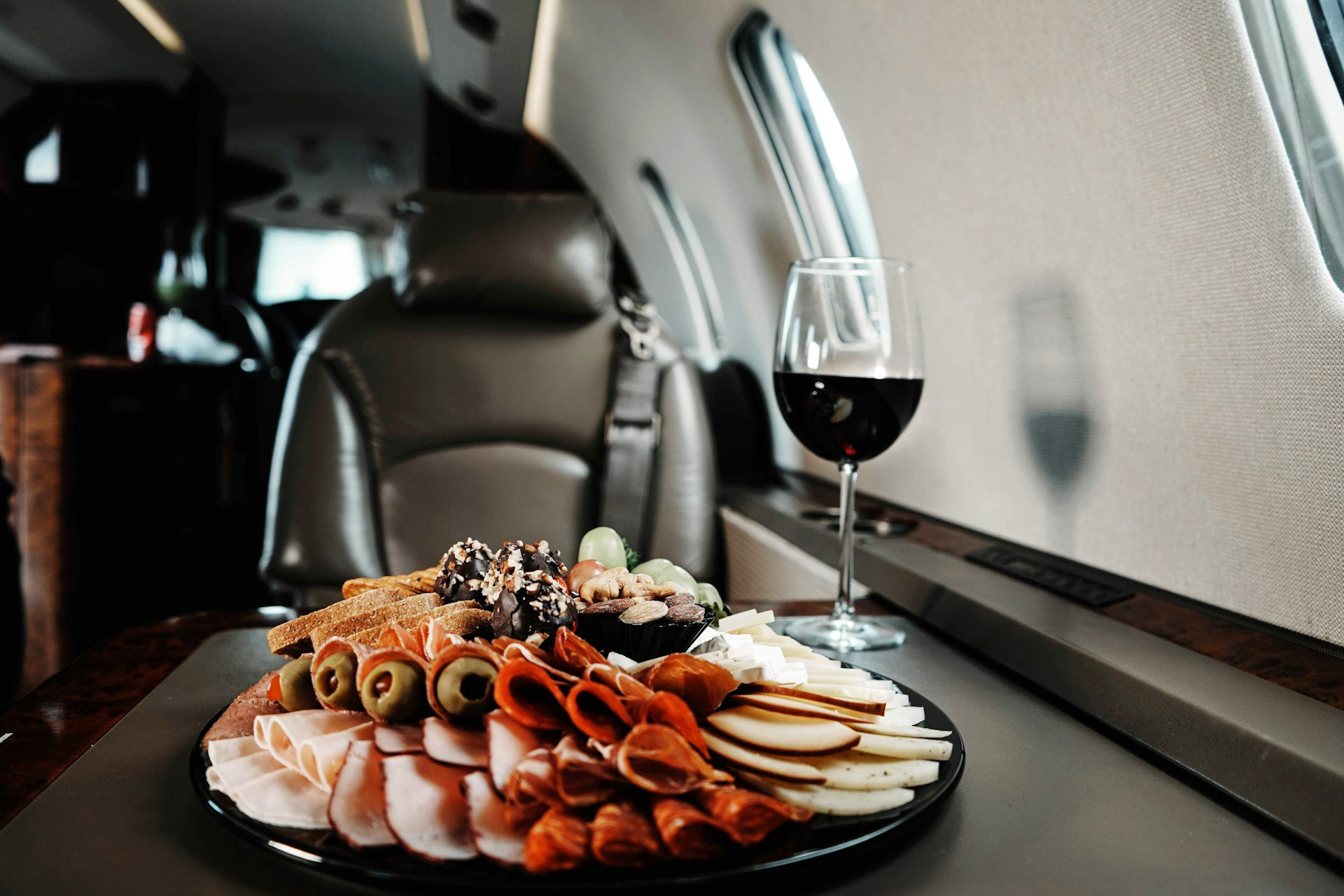
On the other side of the tarmac, personal and leisure private travel operates on an entirely different frequency. Here, the priority goes from raw efficiency to ultra-customized comfort and experiential luxury. For high-net-worth individuals and families, the journey is treated as an extension of the vacation itself.
Space, layout, and personalized attention are the core elements that add value to every client. Leisure operators must be capable of adapting the cabin to highly specific personal preferences, whether that means accommodating multi-generational family dynamics, coordinating exact catering requests, or configuring dedicated areas for relaxation and entertainment.
We are also seeing a major macroeconomic demographic shift within this segment. According to recent market intelligence from Mordor Intelligence, the luxury leisure pool is actively expanding due to a surge in younger, tech-driven wealth.
These travelers aren't just looking to get from point A to point B; they are searching for hyper-personalized, curated experiences that seamlessly blend their professional lifestyles with high-end travel.
The Rise of "Bleisure"
It’s worth noting that the line between these two segments isn't quite blurry. The modern travel market has seen the rapid rise of "bleisure" travel: a format where corporate executives intentionally extend business trips into personal vacations.
Because private flights bypasses fixed commercial airline timetables, a traveler can easily fly out for a critical Thursday afternoon corporate meeting and seamlessly pivot into a personal weekend getaway with their family on Friday morning, utilizing the exact same aircraft.
This hybrid trend is forcing operators to design cabin environments and membership models that can effortlessly shift from a stark, high-productivity boardroom setting to a relaxed, family-friendly oasis in a matter of hours.
Premium Cabin Experience Strategy
As the private jet market grows and options expand, operators face a unique branding challenge: how do you maintain a sense of rare, ultra-high-end luxury when more people have access to the skies?
The answer lies in the cabin experience itself. Leading private jet operators aren’t just selling transportation; they are designing highly strategic, end-to-end environments that mimic the service standards of the world’s finest boutique hotels.
This strategy is split into two core areas: the hardware (the physical engineering of the cabin) and the service itself.
Hardware Innovations
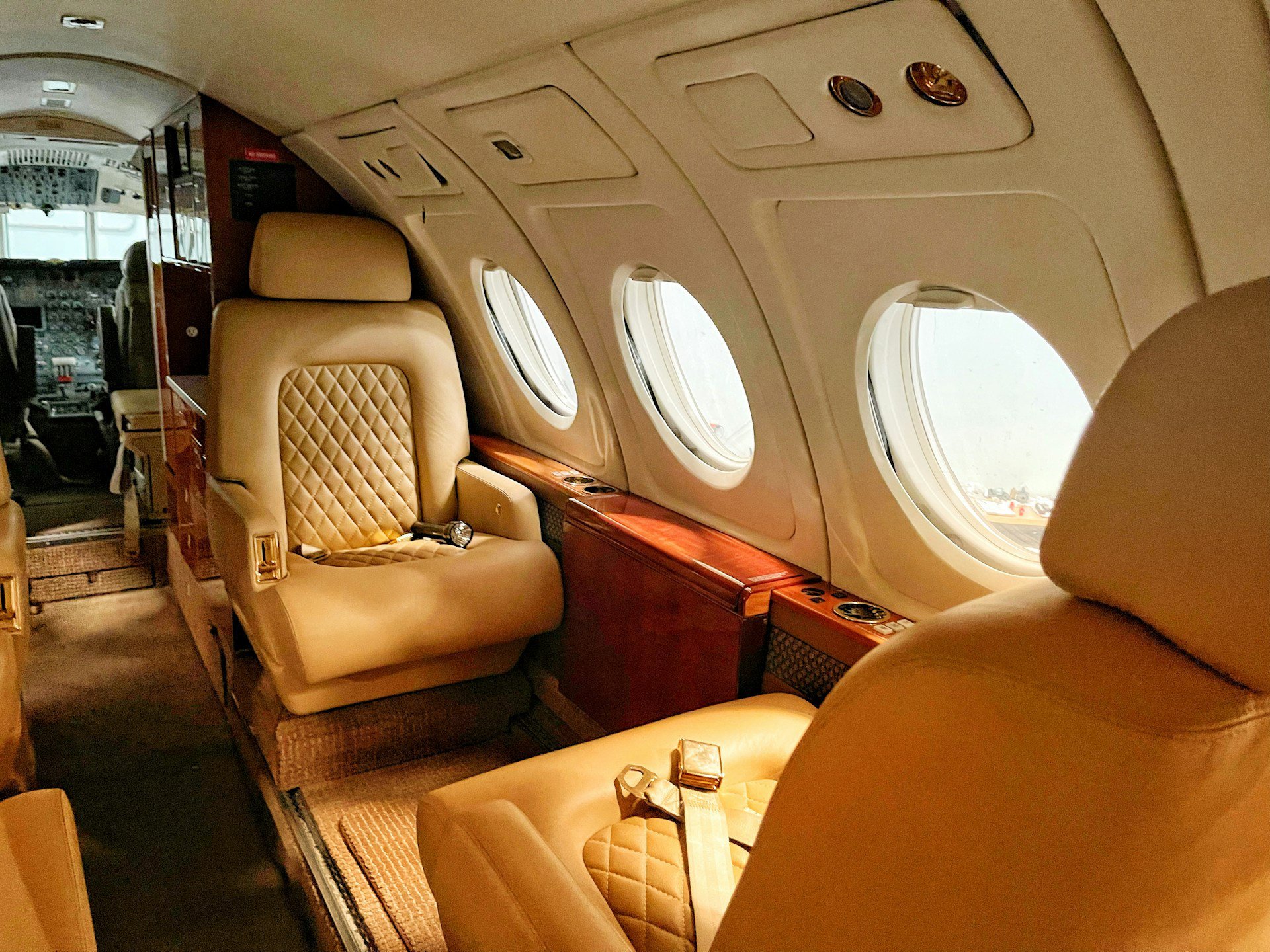
The physical cabin environment has advanced far beyond just having comfortable, oversized leather recliners. Today, hardware strategy is deeply rooted in human biology, ergonomics, and productivity optimization.
- Environmental Controls and Wellness: On newer, long-range aircraft, air filtration and cabin pressure systems are massive selling points. Operators utilize advanced HEPA systems that refresh the cabin air every few minutes, combined with lower cabin altitudes (simulating a lower elevation than commercial flights). This significantly reduces jet lag and dehydration, ensuring travelers step off the plane feeling completely refreshed.
- Intelligent Space and Lighting: Cabins are increasingly designed with dedicated zones—a boardroom setup for meetings, a separate dining or lounge area, and fully private bedroom suites with lie-flat beds for overnight journeys. To complement this, programmable circadian LED lighting systems automatically mimic the natural progression of daylight, helping passengers adjust to new time zones before they even cross them.
- Silent Cabins: Acoustic engineering has become a top priority. Advanced sound-insulation materials are placed throughout the fuselage to hush engine noise down to a whisper, creating a quiet sanctuary where passengers can hold clear conversations or sleep without needing noise-canceling headphones.
Service and Hospitality
While top-tier hardware sets the baseline, that is, the actual human experience and level of personalized attention, is what ultimately keeps private air travel feeling incredibly exclusive.
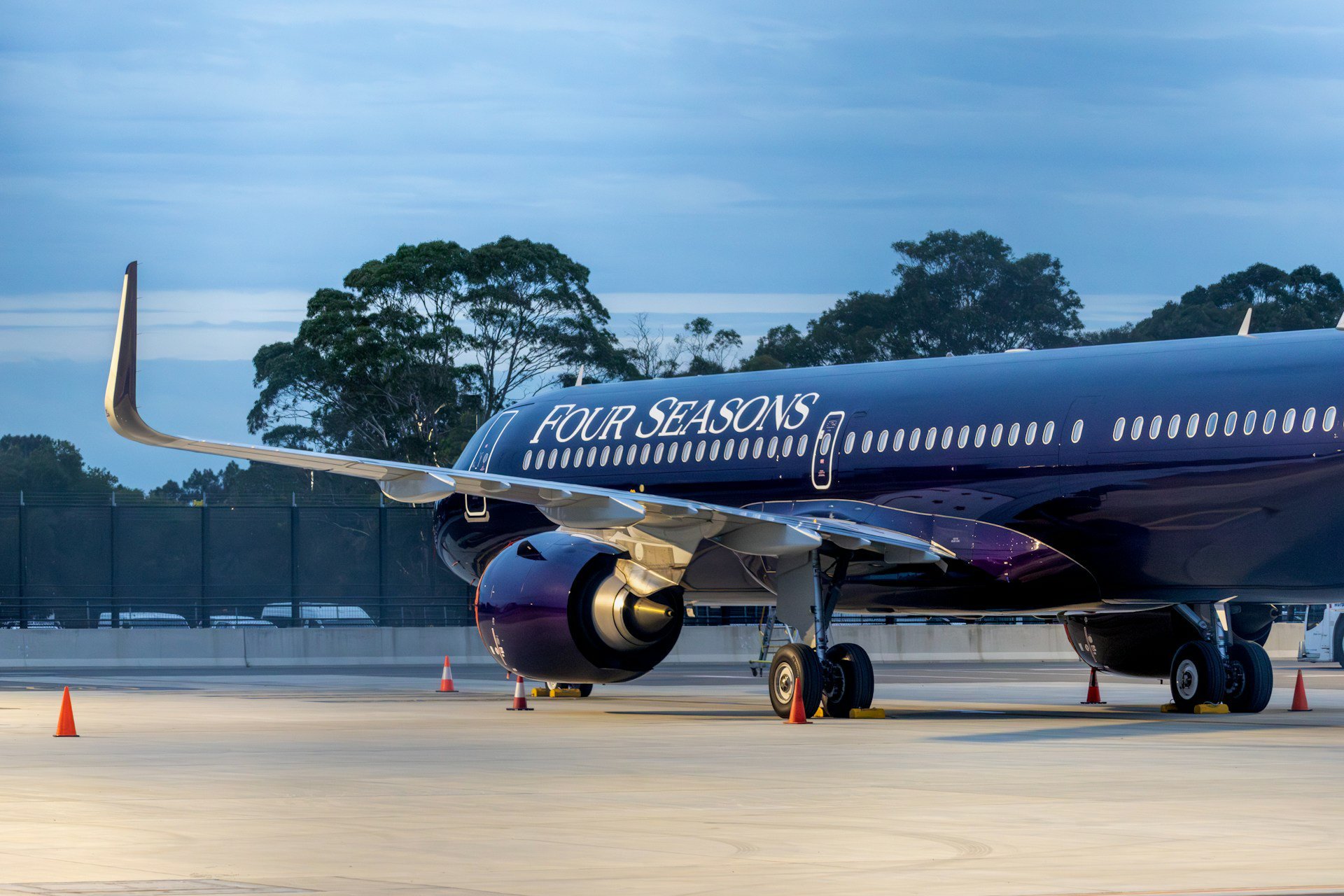
- Bespoke Culinary Programs: The days of generic, pre-packaged airplane food are entirely gone. Elite private jet companies frequently partner with Michelin-starred chefs and luxury catering houses to curate custom menus. Because high altitude alters human taste buds, these menus are scientifically calibrated and paired with premium, sommelier-selected wines to taste exceptional at 40,000 feet. Every dietary restriction, favorite snack, or specific vintage is logged and waiting on board.
- The High-End Hospitality Touch: Cabin crews undergo rigorous hospitality training that mirrors the standards of five-star luxury resorts. Service is highly anticipatory; flight attendants learn to recognize regular passengers' nuanced preferences, from how they take their morning coffee to their preferred layout for reading materials.
- Seamless Digital Integration: Luxury also means friction-free technology. Passengers expect ultra-high-speed, global Ka-band Wi-Fi that allows them to stream 4K video, run live video conferences, or control the cabin’s climate, audio, and window shades directly from their personal smartphones.
By blending cutting-edge engineering with obsessive, detail-oriented hospitality, operators ensure that flying private remains a deeply luxurious, memorable experience, no matter how many digital booking apps hit the market.
Ecosystem & Intermediaries
When we think about the growth of private air travel, it’s easy to assume that the entire market is controlled by people who physically own and fly fleets of airplanes, but the reality is much more interesting.
The modern private air travel market has evolved into a highly dynamic ecosystem made up of fractional owners, traditional fleet operators, and tech-driven digital intermediaries.
This mix of players has changed the economics of private flying, moving the industry away from a rigid "wealth-only" club and turning it into a much more accessible utility for corporate teams and frequent travelers.
Fractional Ownership and Dedicated Fleets
At the foundation of the industry are the asset-heavy companies that actually own, manage, and scale massive fleets of aircraft. Industry pioneers like NetJets continue to set the operational benchmark for high-volume travelers.
NetJets manages an immense global footprint of over 800 private aircraft, providing owners with guaranteed access to a plane anywhere in the world without the full capital liability or maintenance headaches of sole aircraft ownership.
For companies or individuals flying more than 50 to 100 hours a year, this fractional structure provides unmatched logistical reliability.

Other global giants, like VistaJet, approach the market with a slightly different value proposition. Operating a highly consistent, branded fleet of ultra-long-range aircraft (including advanced Bombardier Global and Challenger models), VistaJet offers hour-based membership programs.
Their core promise is giving clients access to a premium, young fleet worldwide without the long-term capital risks or massive up-front costs tied to purchasing a whole or fractional aircraft.
Tech Platforms and Asset-Light Intermediaries
While fleet operators handle the physical assets, a fast-growing category of intermediaries is completely redefining how flights are bought and sold. These companies don’t own a single aircraft.
Instead, they operate much like modern digital marketplaces, acting as the critical communication link between independent aircraft operators and clients.
Platforms like LunaJets and StrataJets have built their success entirely on digital transparency and pricing agility. By aggregating data from thousands of available aircraft globally, these intermediaries give clients instant access to real-time charter options.
The strategy behind these platforms often mirrors the classic revenue management models found in the high-end hotel industry. For instance, just as a luxury hotel might heavily discount its unbooked rooms at the last minute to avoid empty beds, digital aviation brokers found an identical opportunity in "empty leg" flights.
An empty leg happens when a private jet has to fly completely empty to its next destination to pick up a client or return to its home base. By leveraging technology to track these repositioning flights and offering them to the public at deeply discounted rates, brokers created a highly opportunistic, tech-driven marketplace.
This pricing model dramatically lowered the barrier to entry, making a private cabin accessible to a whole new demographic of occasional leisure flyers and mid-market businesses.
The Role of Advisory and Consulting Firms
The ecosystem is rounded out by specialized consultancy firms like I&W Aviation. Because navigating aircraft acquisitions, complex charter contracts, and varied jet card programs can be incredibly confusing, these consultants step in to offer independent, expert advice.
By helping clients audit their actual travel data and choose the most cost-effective solution—whether that’s on-demand chartering, a jet card, or fractional ownership—these intermediaries protect the client's bottom line. Ultimately, this multi-layered ecosystem is exactly what has driven the democratization of the skies.
Traditional fleet operators ensure that operational safety, global scale, and ultra-premium service remain flawless, while digital brokers and advisors use cutting-edge technology to unlock empty capacity, optimize pricing, and make the entire industry more transparent and flexible than ever before.
The Future of Private Air Travel
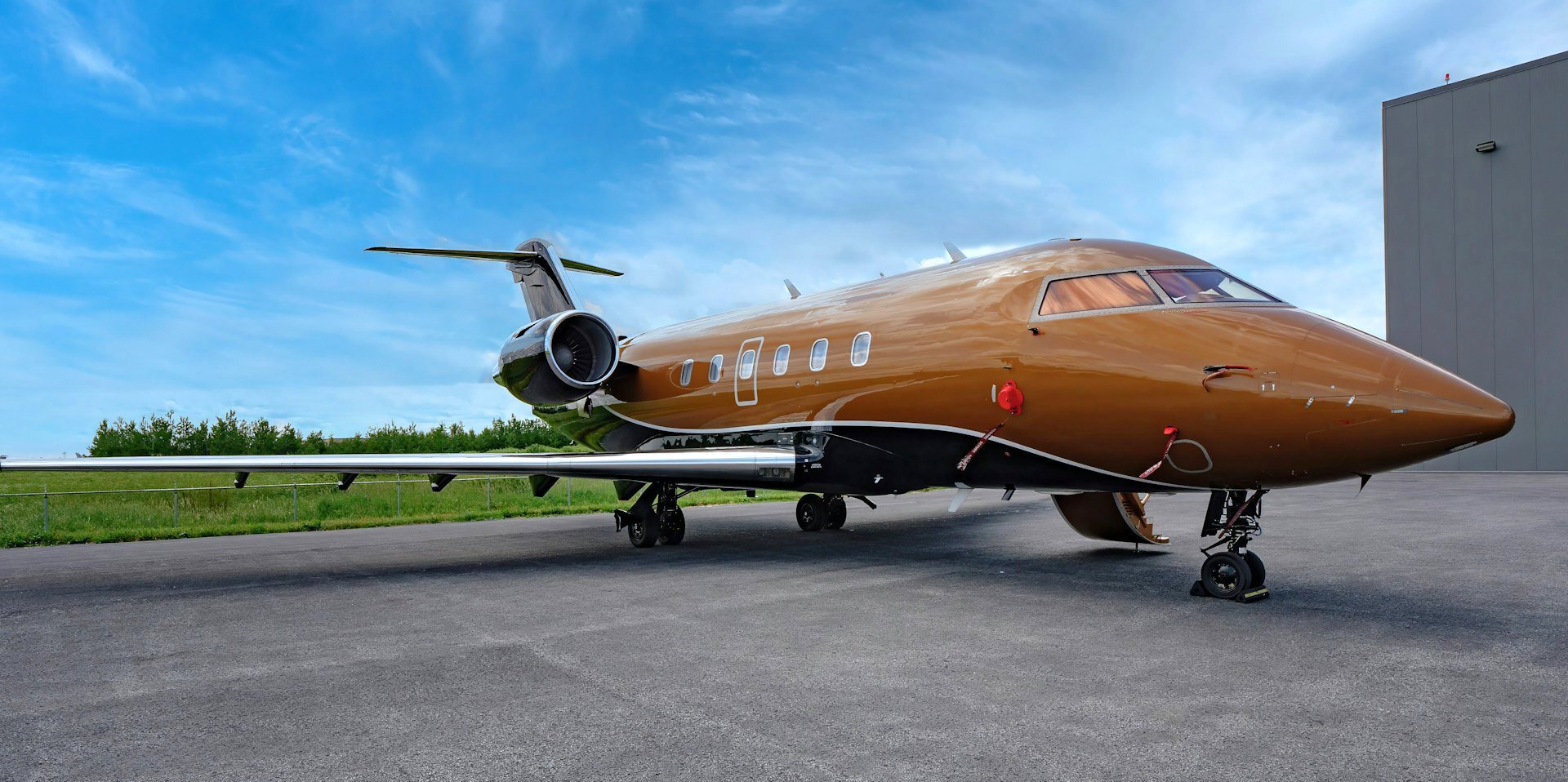
As the private jet market pushes forward, the industry is entering a major growth phase. It is transitioning from the rapid, post-pandemic demand spikes into a more mature, tech-driven, and structurally stable market.
According to recent data from Fortune Business Insights, the global business jet market is projected to grow from roughly $50.60 billion to over $72 billion by 2034. This sustained growth is bringing a wave of quiet innovations, shifting traveler habits, and new technologies that are completely reshaping what it means to fly private.
The next decade of private air travel will be defined by three major pillars: smarter technology, evolving global demographics, and the push for environmental sustainability.
Smarter Tech: AI-Driven Logistics and the Rise of eVTOLs
Technology is moving far beyond simple online booking apps. Operators and intermediaries are heavily investing in artificial intelligence to optimize their entire backend networks.
AI-powered flight planning and data-driven predictive maintenance are helping companies anticipate mechanical issues before they happen, drastically reducing aircraft downtime. On the customer-facing side, advanced scheduling algorithms allow platforms to predict travel demand and route empty planes more efficiently, further streamlining the "empty leg" marketplace.
Looking slightly further down the runway, the technology driving urban mobility is changing. We are seeing a rising adoption of concepts like Electric Vertical Takeoff and Landing (eVTOL) aircraft.
While these won't replace intercontinental business jets, they are poised to become the ultimate short-range "feeder" transport. In the near future, an executive will be able to bypass highway traffic by taking an electric eVTOL directly from a city-center helipad straight to their private jet waiting at a nearby regional airfield.
Shifting Clientele and Regional Expansion

The demographic makeup of the private flyer is also getting a major refresh. A younger generation of tech-driven entrepreneurs, fintech founders, and wealth creators is entering the market. These flyers place a much higher premium on digital-first, app-based memberships, seamless interface experiences, and modern, clean cabin aesthetics.
While North America still dominates the global market (holding more than 70% of new business jet orders) the fastest acceleration in demand is happening internationally. Regions across the Asia-Pacific and Latin America are seeing rapid growth.
Driven by rising GDPs, urban development, and expanding middle-and-upper classes in countries like India, operators are increasingly moving fleet capacity to serve these high-growth corridors.
Sustainability Mandates
Perhaps the most critical challenge and opportunity for the future of private aviation is environmental sustainability. With rising corporate ESG (Environmental, Social, and Governance) mandates and tightening international regulations, decarbonizing private flight is no longer optional.
The immediate answer to this is the scaling of Sustainable Aviation Fuel (SAF), which can reduce a flight's lifecycle carbon emissions by up to 80%. New regulatory frameworks, such as the European Union’s ReFuelEU Aviation initiative, are mandating that a growing percentage of fuel uplifted at major airports must be SAF.
Because SAF currently carries a pricing premium, corporate clients and high-net-worth individuals are increasingly willing to absorb these costs as standard practice to meet their carbon-neutral goals.
In tandem, aircraft manufacturers are rolling out a new generation of jets engineered with significantly more aerodynamic fuselages and ultra-efficient engines designed to burn less fuel from the start.
FAQs
Private aviation occupies a unique position within the travel industry, offering alternatives to commercial air travel that emphasize convenience, privacy, and flexibility. As new ownership models and charter options emerge, the sector is becoming accessible to a broader range of travelers and businesses. These frequently asked questions explore common topics surrounding private aviation, including how it works, who uses it, and the factors shaping its future.
What is the difference between private aviation and commercial aviation?
The primary difference lies in how aircraft are accessed and operated. Commercial aviation follows fixed schedules, routes, and airport procedures designed to serve large numbers of passengers. Private aviation offers significantly greater flexibility, allowing travelers to choose departure times, airports, and itineraries that suit their needs.
The experience is typically more personalized, with shorter wait times and greater privacy. While commercial airlines focus on efficiency at scale, private aviation prioritizes convenience, customization, and time savings for individual travelers or organizations.
Is private aviation only for ultra-wealthy individuals?
While private aviation has traditionally been associated with high-net-worth individuals, the market has evolved considerably. Charter services, jet cards, fractional ownership programs, and membership models have created alternatives to full aircraft ownership.
Businesses also frequently use private aviation for operational efficiency, particularly when traveling between locations that are difficult to access through commercial routes. Although private flying remains a premium service, a wider range of access options has expanded the customer base beyond traditional private jet owners.
Why do businesses use private aviation?
Businesses often use private aviation because it can improve efficiency and flexibility. Executives may be able to visit multiple locations in a single day, access regional airports closer to their destinations, and avoid disruptions associated with commercial travel schedules.
Private aviation can also support confidentiality for sensitive discussions and provide a more productive environment during travel. While costs are higher than commercial flights, organizations often evaluate private aviation in terms of time savings, operational effectiveness, and business opportunities rather than ticket prices alone.
How is sustainability affecting the private aviation industry?
Sustainability has become a major focus area as the aviation industry faces increasing environmental scrutiny. Private aviation operators, manufacturers, and industry organizations are investing in initiatives such as sustainable aviation fuel (SAF), improved aircraft efficiency, carbon reduction programs, and emerging technologies.
While significant challenges remain, many stakeholders recognize that environmental performance will play an important role in the industry's long-term future. The pace of change will likely depend on technological advancements, regulatory developments, and evolving customer expectations.
What skills are needed for a career in private aviation?
Private aviation offers career opportunities in areas such as flight operations, aircraft management, customer service, maintenance, scheduling, and aviation management. Technical expertise is important for many roles, but interpersonal skills are equally valuable because customer expectations are often extremely high.
Professionals working in private aviation frequently need strong communication abilities, attention to detail, problem-solving skills, and a service-oriented mindset. As the industry evolves, knowledge of technology, sustainability initiatives, and customer experience management is becoming increasingly relevant.
Luxury Jet Travel: Bringing it All Together
Ultimately, the answer to whether flying on a private jet is still luxurious or has simply become more accessible is that it has successfully managed to become both.
Through the rise of digital intermediaries, fractional ownership, and clever pricing models, the industry has successfully democratized access, turning a private cabin into a highly efficient, accessible business utility for a broader pool of companies and professional teams.
Yet, at the exact same time, by leaning on hyper-personalized hospitality, cutting-edge hardware, and tailored sensory experiences, operators have managed to preserve the top-tier, exclusive luxury that defined the industry's birth in the 1960s. Today, private aviation is now a sophisticated, flexible, and permanent fixture of modern global travel.