


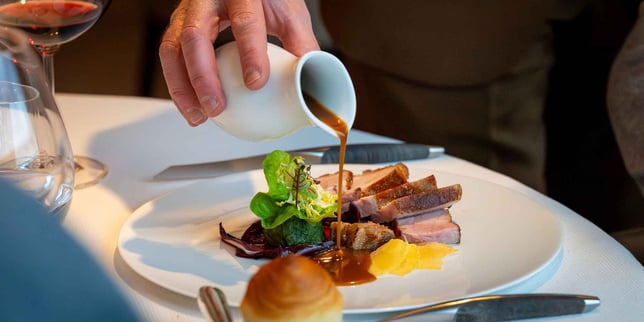
Consider what you ate this morning. A choice so habitual it barely registered, and yet it carried within it geography, economics, memory, and identity. Gastronomy is the discipline that takes that seriously. More than a word for good food or fine dining, it is a field of study that places the meal at the center of human experience, connecting science, culture, history, and creativity on a single plate. If you have always been drawn to food or simply wonder whether that pull could lead somewhere real, you are already asking the right questions. This article is a place to begin.
In this article, you will discover:
- What gastronomy means and why it extends beyond cooking
- How gastronomy differs from, and complements, culinary arts
- Why food, culture, science, sustainability, and business intersect
- How an interest in gastronomy can lead to international studies and careers
What is Gastronomy?
Gastronomy is the study and appreciation of food in relation to culture, science, history, and society. But where cooking asks how, gastronomy asks why. Why does this ingredient belong to this place? Why does this dish carry grief, celebration, or belonging? What does the way people eat reveal about who they are, what they value, and how they see the world?
 1893 by EHL, ©Thomas Tessier
Origins Of the Word "Gastronomy"
The word comes from Greek: gaster (stomach) and nomos (law or knowledge). Literally, the laws of the stomach. A modest etymology for an immodest ambition. It entered the modern vocabulary in the 19th century through a poem by Joseph Berchoux, who dared to place cuisine among the fine arts:
« Je me suis emparé d’une heureuse matière :
Je chante l’Homme à Table, et dirai la manière
D’embellir un repas ; je dirai le secret
D’augmenter les plaisirs d’un aimable banquet,
D’y fixer l’amitié, de s’y plaire sans cesse
Et d’y déraisonner dans une douce ivresse.
[…]
Je vais, dans mon ardeur poétique et divine,
Mettre au rang des beaux-arts celui de la cuisine. »Joseph Berchoux – La Gastronomie, Poëme
English translation (AI): English translation: "I have seized upon a fortunate subject: I sing of Man at Table, and shall tell the way to grace a meal; I shall reveal the secret of deepening the pleasures of a convivial feast, of anchoring friendship there, of finding endless delight, and of losing oneself, agreeably, in a gentle intoxication. […] I go now, in my poetic and divine ardor, to raise the art of cuisine to the rank of the fine arts."
The concept found its intellectual architecture in 1825, when Jean Anthelme Brillat-Savarin published The Physiology of Taste, a book less interested in recipes than in the civilization built around the table:
“Definition of Gastronomy: Gastronomy is the reasoned comprehension of everything connected with the nourishment of man. Its aim is to obtain the preservation of man by means of the best nourishment possible. […] Its influence is felt by all classes of society; for while it is gastronomy which rules the banquets of kings, it is also gastronomy which stipulates how many minutes a humble egg should be boiled.” Jean-Anthelme Brillat-Savarin – The Physiology of Taste.
That final image, gastronomy ruling both the banquets of kings and the boiling of a humble egg, says something essential. This is not a discipline reserved for the privileged few. It belongs to anyone who has ever paused, mid-bite, and wondered why this tastes like home.
Gastronomy as the Study of Food, Culture, Science, and Society
Gastronomy is an interdisciplinary field that draws on history, science, economics, geography, and philosophy to understand the role of food in human life. If it were a room, it would have many doors, but each opens onto the same central question: what does food mean, and why does it matter?
-
Food history: How cuisines developed, migrated, and transformed across time
-
Sensory science: How taste, texture, aroma, and presentation shape the experience of eating
-
Food politics and economics: Who has access to food, who controls production, and how markets shape what ends up on our tables
-
Culinary geography: How climate, terrain, and trade routes give rise to regional cuisines
-
Culinary science: How chemistry and physics explain (and can transform) what happens during cooking

What is The Difference Between Gastronomy And Culinary Arts?
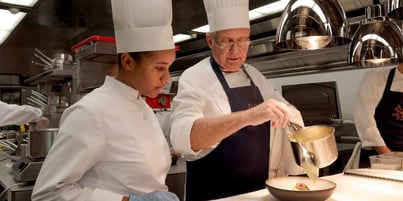
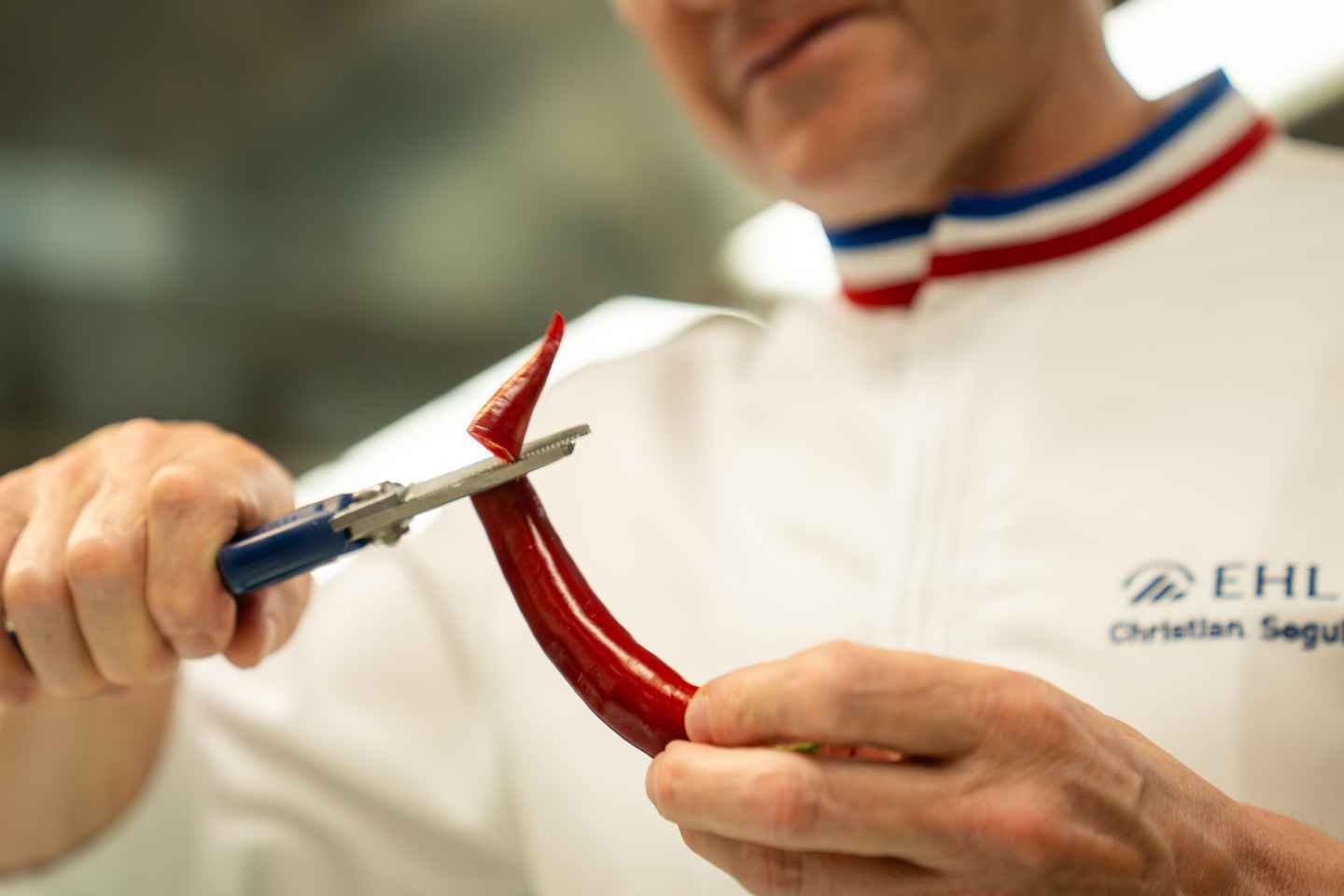
“Culinary arts encompass much more than cooking alone,” explains Alfred Zuberbuehler, Executive Chef at EHL Passugg. They are about mastering the craft of preparation, cooking, presentation, and service of food. It rules the full journey from ingredient selection and kitchen technique to plating and the guest experience, every discipline that goes into bringing a dish to the table at a high level. For a deeper look at the craft side of the equation, explore what the culinary arts involve.
Gastronomy is the intellectual framework behind all of that. It asks why certain flavor combinations work, what a dish reveals about its cultural origin, and how food trends are shaped by history, economics, and taste. Where culinary arts produce a dish, gastronomy contextualizes it. One is the hand. The other is the mind behind the hand.
The two are not opposites. They are complements. Both fields spin around food, but they speak a different language, and knowing which one calls to you is the beginning of a real direction. The strongest chefs and food professionals today bring both the technical precision of culinary arts and the broader vision that gastronomy offers. A chef who understands why fermentation has been central to Korean cuisine for centuries, or how colonial trade routes shaped the spice palate of the Caribbean, cooks with more intention and creativity than one who simply follows a recipe. Craft without context produces competence. Craft with context produces meaning.
Why is Gastronomy Important Today?
Gastronomy matters today because food connects global cultures, sustainability, innovation, sensory experience, and business. Understanding these links helps food professionals respond to changing expectations with greater cultural awareness and practical insight.
Globalization of Food
Food now travels faster than almost any other cultural export. A ramen bar in São Paulo, a Senegalese thiéboudienne in Paris, a Korean fried chicken chain in Los Angeles. These are not anomalies. They are the legible traces of migration, globalization, social media, and the deep human appetite for novelty and connection. Food experiences influence more than half of travel decisions globally, and many travelers actively seek out food festivals, cooking classes, and culinary tours as part of their trips. EHL's Gourmet Festival draws exactly that audience: curious, food-driven, experience-first. These movements are not random. They are a map. And gastronomy is how you learn to read it.
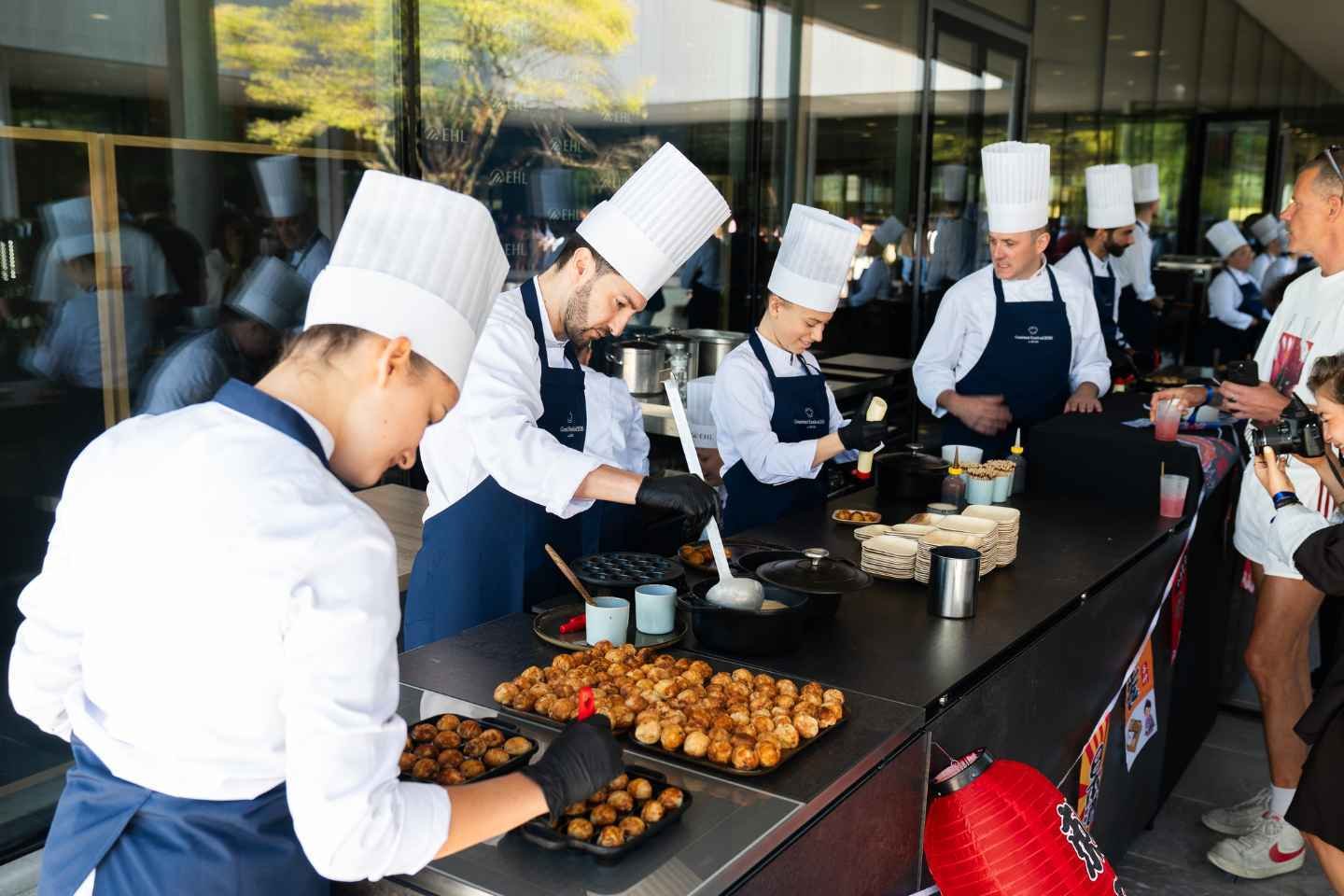 EHL Gourmet Festival, ©Glory Masungi
Sustainability and Innovation
Gastronomy has never been innocent of the world around it. Today, the questions it raises, where does this ingredient come from, at what cost to the land, to the people, to the climate, are no longer confined to academic debate. They are reshaping entire industries, from the farms that supply restaurants to the laboratories reimagining what food can be. From farm-to-table sourcing and zero-waste kitchen practices to lab-grown proteins and insect-based nutrition, the future of food is being written now. Gastronomists are not watching from the sidelines. They are at the table.
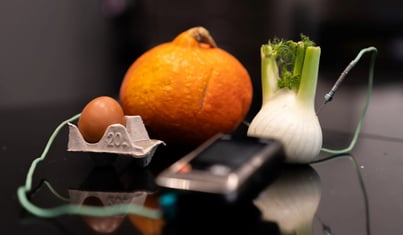
Understanding the principles behind sustainable gastronomy is increasingly essential for anyone entering the food world, whether they plan to run a restaurant, consult for a food brand, or develop new products. At the technical frontier, molecular gastronomy has demonstrated just how far science can take the culinary arts, from spherified olive oil to edible foams that carry entirely new flavor profiles.
Dining as Experience
In the late 1990s, economists Joseph Pine and B. Joseph Gilmore named something that restaurants had known for centuries: people do not only pay for products. They pay for what those products make them feel. They called it the “experience economy”. A birthday cake tells the story better than any theory:
“The entire history of economic progress can be recapitulated in the four-stage evolution of the birthday cake. As a vestige of the agrarian economy, mothers made birthday cakes from scratch, mixing farm commodities (flour, sugar, butter, and eggs) that together cost mere dimes. As the goods-based industrial economy advanced, moms paid a dollar or two to Betty Crocker for premixed ingredients. Later, when the service economy took hold, busy parents ordered cakes from the bakery or grocery store, which, at $10 or $15, cost ten times as much as the packaged ingredients. Now, in the time-starved 1990s, parents neither make the birthday cake nor even throw the party. Instead, they spend $100 or more to “outsource” the entire event to Chuck E. Cheese’s, the Discovery Zone, the Mining Company, or some other business that stages a memorable event for the kids and often throws in the cake for free. Welcome to the emerging experience economy.”
Joseph Pine and B. Joseph Gilmore – Welcome to the Experience Economy, Harvard Business Review, July-August 1998.
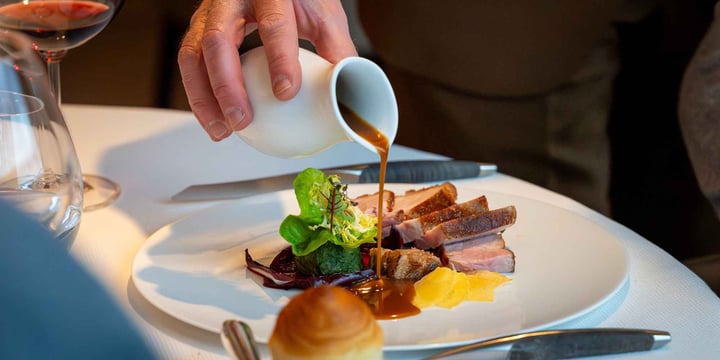
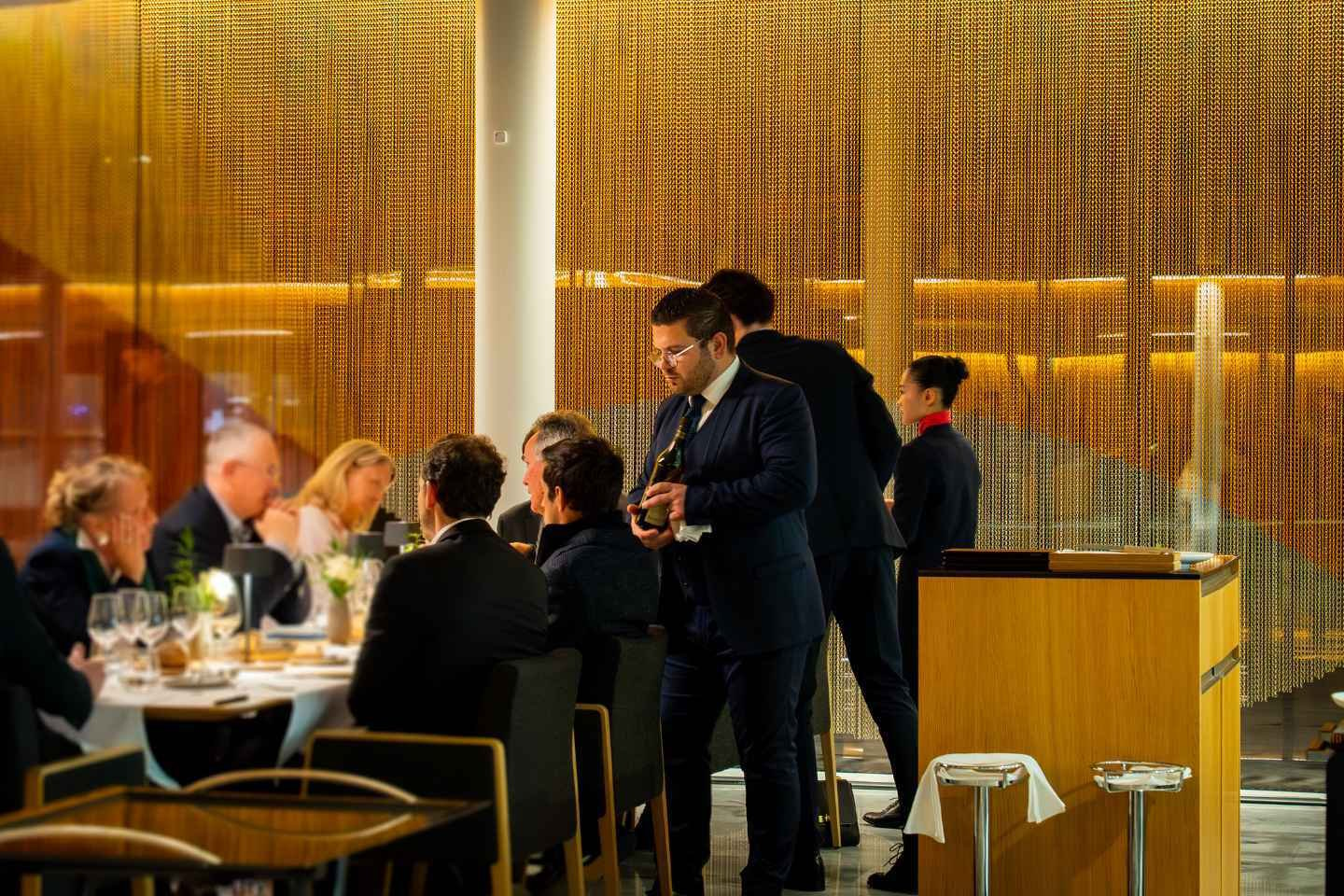
Fine dining understood this long before the economists did. A meal at a world-class restaurant today is not a transaction. It is a theatre. It tells a story, provokes an emotional response, and carries cultural meaning that lingers long after the last course. The explosion of food media, destination dining, and celebrity chef culture is not a coincidence. It reflects how deeply gastronomy has moved to the center of contemporary life.
 1893 by EHL, ©Thomas Tessier
Business and Entrepreneurship
There is a persistent myth that a passion for food is charming but impractical. The numbers tell a different story. The global food and beverage market reached $7,042.76 billion in 2025, according to the Food and Beverage Market Report 2026, making it one of the largest industries on earth and showing no sign of contracting. Restaurants, food media companies, ghost kitchens, consumer packaged goods brands, food technology startups, and hospitality groups all sit within this ecosystem. Gastronomy is not merely an intellectual pursuit. It is the foundation of a vast and still-expanding commercial landscape. And for anyone drawn to entrepreneurship, food remains one of the most alive, accessible, and consequential industries to enter.
From Gastronomy to Global Careers
An interest in gastronomy often begins with personal experience: a family recipe, a memorable meal, or curiosity about how flavors and traditions develop. Structured study can connect that interest to professional knowledge and career options.
What Careers are Linked to Gastronomy?
Gastronomy connects food culture, creativity, and business. It opens doors across a wide range of fields:
-
Chef or culinary professional: Applying technical skill and gastronomic knowledge to create food at the highest level, from fine dining kitchens to innovative concept restaurants
-
Restaurant or food entrepreneur: Building and running food businesses, from independent restaurants and food trucks to delivery-first brands and hospitality groups
-
F&B manager or hospitality leader: Overseeing the food and beverage operations of hotels, resorts, cruise lines, or large-scale events, where business acumen meets food culture
-
Food innovation or consulting roles: Advising brands on product development, menu design, food trends, or sustainability strategy
For a fuller picture of where a passion for food can take you professionally, the food and beverage careers guide can be a useful starting point.
Studying Gastronomy in an International Context
Food is one of the most direct ways to understand a culture. Perhaps the most direct. A dish carries within its climate, history, religion, trade, and memory. Studying cuisine across countries and traditions is not about collecting recipes. It is to collect ways of seeing. A chef who has only ever cooked French food sees the world through one lens. A gastronome who has studied Japanese umami philosophy, Peruvian ceviche culture, and Lebanese mezze hospitality sees it through many, and moves through a global industry with a fluency that no single kitchen can teach.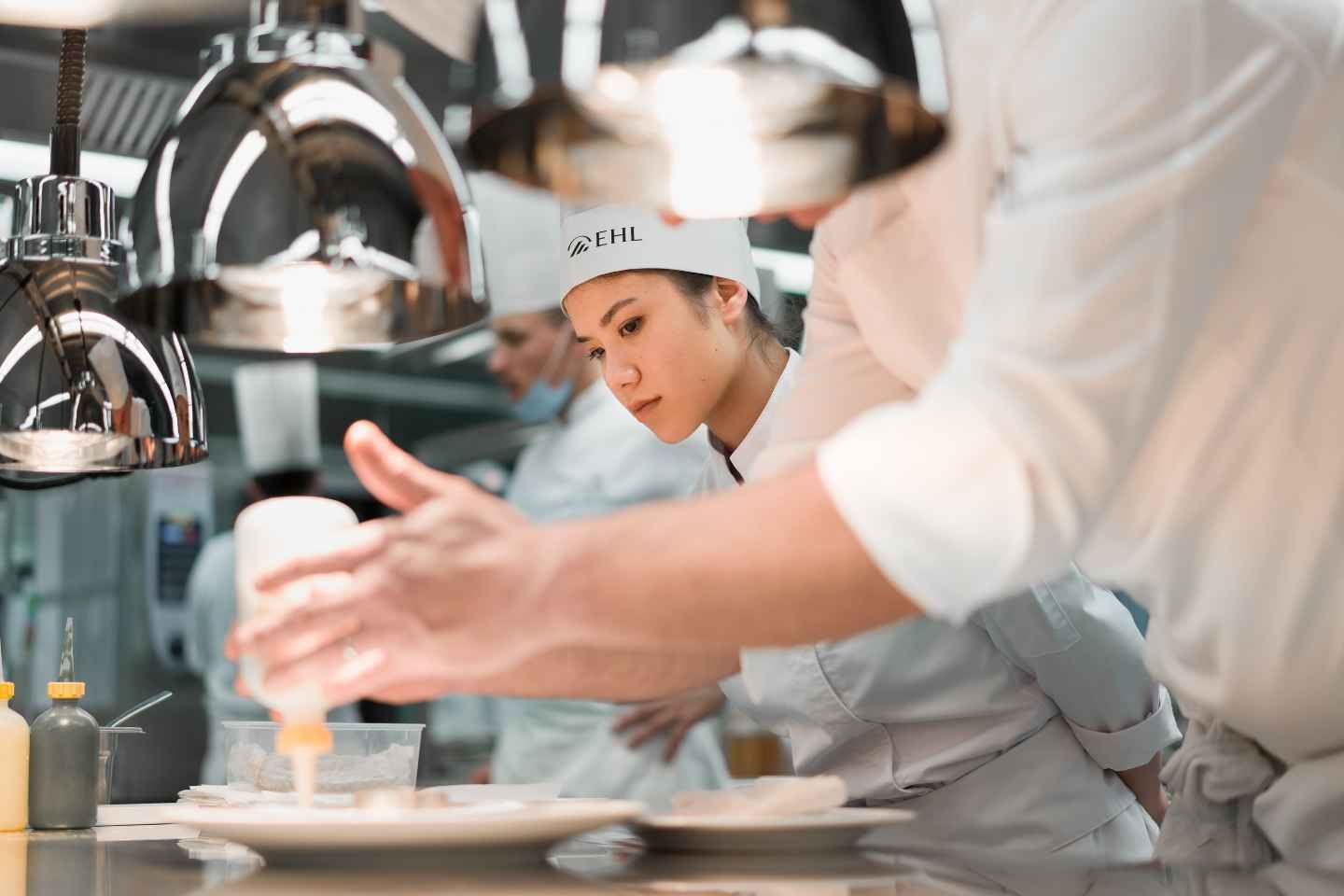 Berceau des Sens, EHL, Sébastien Reichenbach ©Noxediem
That fluency is no longer optional. Today's food professionals work across borders, running international hotel groups, launching multi-market restaurant concepts, advising global food brands on relevance and resonance in markets they have never visited. What allows them to do that well is not technical skill alone. It is the ability to read a culture through its food, and to respond with intention. Europe, with its extraordinary concentration of distinct culinary traditions within a remarkably small geography, remains one of the richest places in the world to develop that capacity, a continent where the food changes as profoundly as the landscape, sometimes within a single afternoon's drive.
Gastronomy, Education & Career Pathways
Curiosity is often where a deeper interest in gastronomy begins. Questions about food, culture, and hospitality can lead people toward structured learning opportunities, such as EHL’s Associate Degree in Culinary Arts program, which combines practical culinary training with broader perspectives on food, business, and guest experiences.

For anyone at the beginning of that journey, reading widely is one of the most honest first steps you can take. The gastronomic reading list curated by EHL's culinary arts team spans food science, food history, memoir, and culinary philosophy, and gives a real sense of the intellectual texture of a field that rewards exactly that kind of ranging attention.
From Definition to Direction: Is a Culinary Path Right for You?
Gastronomy is more than a synonym for cooking or fine dining. It is an interdisciplinary field that connects food with culture, science, history, sustainability, experience, and business. While culinary arts focus on the practical craft of preparing and presenting food, gastronomy provides the broader context behind what, why, and how people eat.
If you are considering studying or working in this field, the following questions may help you identify the direction that best matches your interests:
-
Am I drawn more to the craft of cooking, or to the culture and business of food, or both?
-
Do I want to work in a kitchen, manage a restaurant, build a food brand, or something else?
-
How important is international experience and exposure to different food cultures to me?
-
Am I ready for a rigorous, hands-on program, or do I want to explore the field first through reading and research?
Understanding the distinction between gastronomy and culinary arts can help you evaluate the study and career paths available. Gastronomy provides the intellectual and cultural framework, while culinary arts develop the practical skills required to bring food experiences to life. Together, they offer a foundation for careers across restaurants, hospitality, food innovation, entrepreneurship, and related fields.